Copa Glass
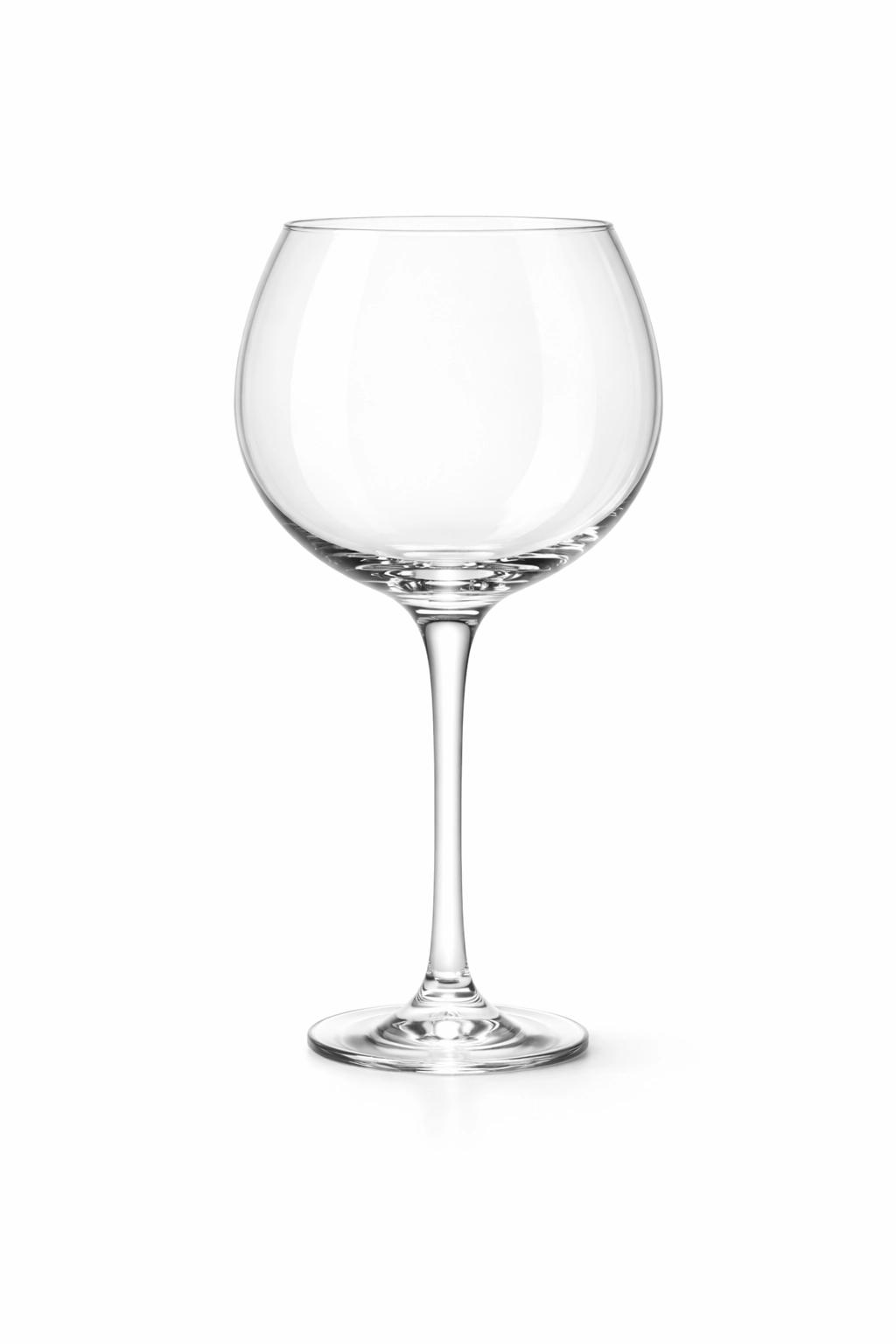
A copa is a large balloon glass on a stem, 60 and 65cl in Urban Bar’s listings, most associated with the Spanish way of serving gin and tonic. The round bowl takes a full load of cubed ice with room left for the drink and an aromatic garnish. Gin and tonic, vodka and tonic, and spritzes such as the Hugo all suit it.
About the Copa Glass
The Bowl Holds Ice and Aroma
A copa is a wine glass made larger. The round bowl takes a full load of cubed ice with room left for a 200ml drink, and the rim curves in slightly at the top.
Both features matter. A big mass of ice melts slowly, so a gin and tonic stays cold without thinning fast. The inward curve holds the smell of the gin and the garnish over the surface, where you breathe it in with every sip.
Spain Made It the Gin and Tonic Glass
In Spain the drink is usually served in a copa de balón, a balloon glass, with plenty of ice and a garnish picked to match the gin's botanicals. Accounts of exactly where the habit began differ, and none is well documented.
The glass has since become common in British bars. It suits any long drink built on aroma, not only gin.
Ice First, Tonic Last
Fill the glass with cubed ice, not crushed, and stir the ice to chill the bowl. Pour off any meltwater. Add the spirit, then let the tonic slide gently down the side to hold its gas. Our Gin and Tonic takes 100ml of tonic to 50ml of gin; the Vodka and Mediterranean Tonic takes 150ml.
Add the garnish last, for smell: a strip of grapefruit peel, a sprig of rosemary or a ribbon of cucumber. It sits in the space over the drink.
Copa against other glasses for long drinks (copa and wine glass from Urban Bar’s listings; highball and rocks glass from our shop)
Copa
- Usual size
- 60-65cl (Urban Bar)
- Shape
- Round bowl on a stem
- What it does well
- Room for ice and an aromatic garnish
Highball
- Usual size
- 38 or 42cl (our shop)
- Shape
- Tall and straight
- What it does well
- Keeps the fizz in a spirit and mixer
Large wine glass
- Usual size
- 43-56cl (Urban Bar)
- Shape
- Tulip bowl on a stem
- What it does well
- Wine spritzes; stands in for a copa
Rocks glass
- Usual size
- 26-35cl (our shop’s single; Urban Bar’s doubles)
- Shape
- Short and wide
- What it does well
- Short drinks over one large cube
| Glass | Usual size | Shape | What it does well |
|---|---|---|---|
| Copa | 60-65cl (Urban Bar) | Round bowl on a stem | Room for ice and an aromatic garnish |
| Highball | 38 or 42cl (our shop) | Tall and straight | Keeps the fizz in a spirit and mixer |
| Large wine glass | 43-56cl (Urban Bar) | Tulip bowl on a stem | Wine spritzes; stands in for a copa |
| Rocks glass | 26-35cl (our shop’s single; Urban Bar’s doubles) | Short and wide | Short drinks over one large cube |
Buy 50cl or More
Under 50cl, a full load of ice leaves too little room for the drink, and the glass is a wine glass doing a copa's job.
A large bowl on a long stem breaks easily. Wash it by hand where you can, support the bowl as you dry it, and keep ice out of a glass still warm from washing, since sudden cold can crack thin glass.
Using the Copa Glass
Usage
Gin and tonic and vodka and tonic built over a bowl full of cubed ice, and spritzes on prosecco and soda. Our copa recipes mostly run to 150 to 215ml of liquid before the ice, which leaves the bowl headroom for a garnish.
Pro Tip
Stir the ice round the empty bowl for a few seconds and pour off the water before the spirit goes in. The glass starts cold, so the ice you build on lasts longer.
Professional Tips
- Fill the bowl with cubed ice before anything else goes in.
- Add the tonic gently, letting it run down the side.
- Carry and drink from it by the stem; a palm round the bowl warms it.
- Choose the garnish for its smell. It sits right under your nose.
Alternatives
Budget Alternative
A large red wine glass of 50cl or more does the same job, provided the bowl is wide enough for a full load of ice.
Premium Option
Thin crystal on a well-balanced stem. It feels lighter in the hand and rings when tapped; the drink in it is the same.
Specifications
Material
Glass, sometimes crystal
Capacity
60 and 65cl in Urban Bar’s listings; our guidance is 50cl or more
Details
Round balloon bowl that curves in slightly near the top, on a long stem and a wide foot
More to explore
Common Questions
What is a copa glass?
What size is a copa glass?
Why serve gin and tonic in a balloon glass?
Does a copa make a gin and tonic taste different?
Copa or highball for gin and tonic?
Can I use a red wine glass instead?
What else goes in a copa?
Can a copa go in the dishwasher?
Sources.
Correct as of 18 October 2026.
- Urban Bar, “1910 Gin Balloon Glass 65cl”.
- Urban Bar, “Amber Stem Gin Balloon Glass 60cl”.
- Urban Bar, “1910 Wine Glass 43cl”.
- Urban Bar, “Bacci Crystal Wine Glass 56cl”.
- Jerry Can Spirits shop, “Crystal ICE Hiball, 42cl”.
Made with the Copa Glass
Used In These Cocktails
Show all 9 cocktailsShow fewer
Related Equipment
Updated 18 October 2026