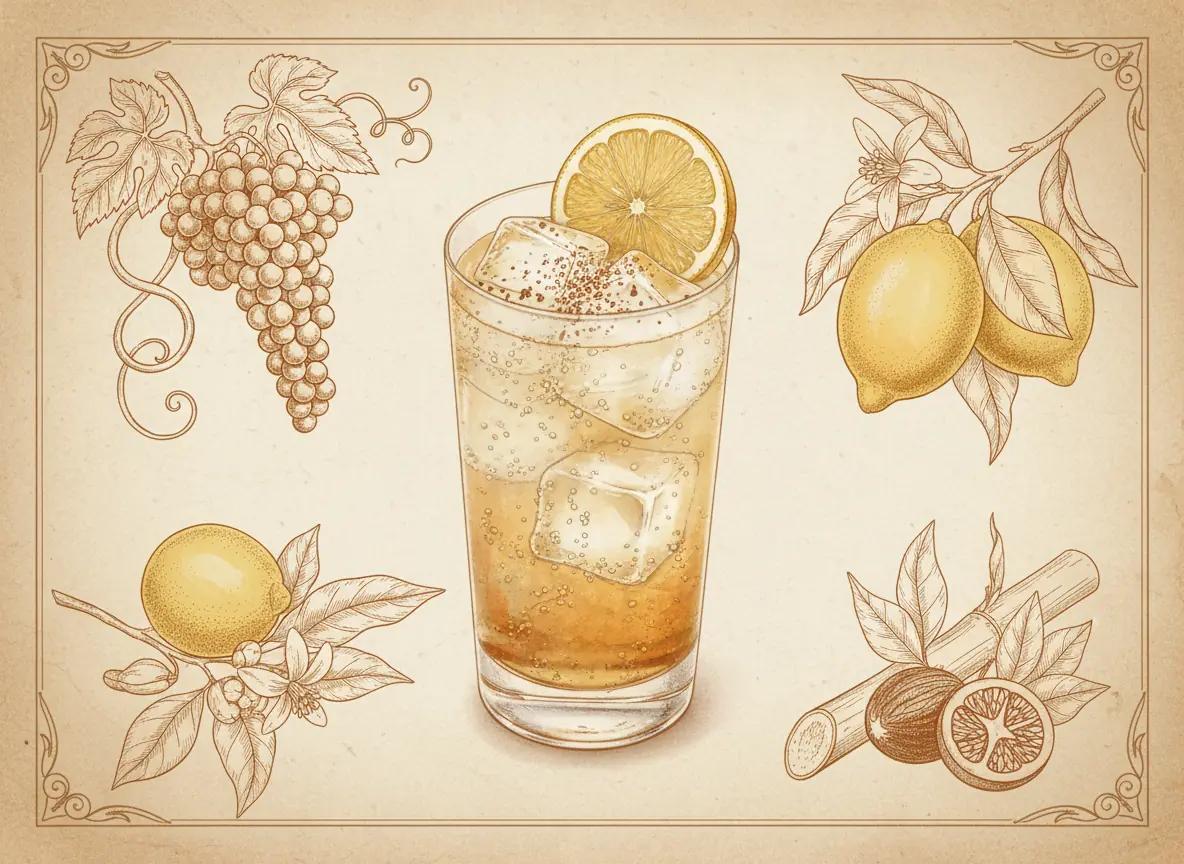
Brandy Sling (Cold)
A cold Brandy Sling is 50ml of brandy, 25ml of fresh lemon juice and 15ml of sugar syrup, stirred over ice in a highball glass and topped with 75 to 100ml of cold soda water, with freshly grated nutmeg and a lemon slice. About 2.0 UK units. Jerry Thomas printed the sling as a toddy with nutmeg on top: sugar dissolved in water, a wine glass of brandy and a small lump of ice, with no lemon. Ours keeps his brandy and his nutmeg, and adds lemon and soda for a longer, sharper drink. The nutmeg is the part to keep. Grated from a whole nut straight onto the drink, it is what separates a sling from a toddy, and it reaches the nose before the first sip.
Glassware: Highball Glass
Garnish: Freshly grated nutmeg over the top and Lemon slice
Ingredients
50ml
A VS or VSOP brandy or cognac at our working 40% ABV, one you would drink neat. Soda shows up a harsh spirit.
25ml
Squeezed the same day. Not in Thomas’s sling; here it gives the soda something to lift.
15ml
One to one sugar syrup, by weight. It mixes over ice at once, where Thomas’s spoon of sugar needed dissolving in water first.
75 to 100ml
Cold and freshly opened, poured last and gently. More soda gives a lighter drink.
Instructions
Squeeze the lemon juice the same day.
Fill a highball glass with cubed ice.
Add the brandy, lemon juice and sugar syrup, and stir for a few seconds to mix.
Top with 75 to 100ml of cold soda water, poured gently down the side of the glass.
Stir once, gently.
Grate fresh nutmeg over the surface and add a lemon slice.
Our version
Jerry Thomas’s brandy sling is sugar, water, brandy and a lump of ice with nutmeg grated on top, and no citrus. Ours adds 25ml of lemon and swaps the still water for 75 to 100ml of soda, with 50ml of brandy and 15ml of syrup.
Source: our own specification. Last checked 10 October 2026.
Expert Tip
Grate the nutmeg from a whole nut, last, straight onto the drink. Ground nutmeg from a jar has lost most of its oil and smells of very little. Pour the soda down the inside of the glass, cold and freshly opened, and stir once to lift the brandy from the bottom. A hard pour or a long stir knocks out the fizz. Pick the brandy for the drink you want. A young VS gives a lighter, more lemony sling; a VSOP adds dried fruit and oak that stand up to the soda.
Behind the Brandy Sling (Cold)
Flavour Profile
Thomas’s Sling Was a Toddy With Nutmeg
Jerry Thomas’s 1862 bar guide defines the brandy sling by one detail: the same ingredients as the brandy toddy, with a little nutmeg grated on top. In his 1887 edition that comes to a small teaspoon of powdered white sugar dissolved in a wine glass of water, a wine glass of brandy and a small lump of ice, stirred.
There is no lemon and no soda in his. Ours adds both, which makes a longer, sharper drink for warm weather. As the Internet Archive’s scan of his 1887 edition shows, Thomas also gives a Hot Brandy Sling, with boiling water and no ice.
What the Lemon and Soda Change
Brandy, sugar and still water make a soft, round drink. Lemon gives it an edge against the sugar, and soda lifts the brandy’s dried fruit to the nose. With 25ml of lemon, 15ml of syrup and up to 100ml of soda, the brandy still leads.
Without the nutmeg the same glass is close to a Brandy Collins. The spice on the surface is the sling’s mark.
Nutmeg Over Ice
Over a hot drink, steam carries nutmeg’s oils up at once. Over ice the release is slower: the spice sits on the surface and reaches the nose sip by sip. Grate it fresh from a whole nut; a few strokes is enough.
Three Slings Side by Side
Thomas’s brandy sling as the Internet Archive’s 1887 scan gives it, beside our hot Brandy Sling and our cold one; the units are our calculation
Brandy
- Thomas, 1887
- One wine glass
- Hot, ours
- 50ml
- Cold, ours
- 50ml
Sugar
- Thomas, 1887
- One small teaspoon, dissolved in water
- Hot, ours
- 15ml syrup
- Cold, ours
- 15ml syrup
Lemon
- Thomas, 1887
- None
- Hot, ours
- 20ml
- Cold, ours
- 25ml
Lengthener
- Thomas, 1887
- One wine glass of water
- Hot, ours
- 90ml water just off the boil
- Cold, ours
- 75 to 100ml soda
Ice
- Thomas, 1887
- One small lump
- Hot, ours
- None
- Cold, ours
- A glass of cubes
Finish
- Thomas, 1887
- Grated nutmeg
- Hot, ours
- Grated nutmeg, lemon slice
- Cold, ours
- Grated nutmeg, lemon slice
UK units
- Thomas, 1887
- Not given
- Hot, ours
- About 2.0
- Cold, ours
- About 2.0
| Element | Thomas, 1887 | Hot, ours | Cold, ours |
|---|---|---|---|
| Brandy | One wine glass | 50ml | 50ml |
| Sugar | One small teaspoon, dissolved in water | 15ml syrup | 15ml syrup |
| Lemon | None | 20ml | 25ml |
| Lengthener | One wine glass of water | 90ml water just off the boil | 75 to 100ml soda |
| Ice | One small lump | None | A glass of cubes |
| Finish | Grated nutmeg | Grated nutmeg, lemon slice | Grated nutmeg, lemon slice |
| UK units | Not given | About 2.0 | About 2.0 |
How to Serve It
In a tall glass of ice, nutmeg on the surface and a lemon slice in the glass, as soon as it is made. It suits a warm evening before dinner.
For the winter version, make a hot Brandy Sling; for the same idea on gin, a Gin Sling.
Make it at home
The Spirit
BrandyBrandy is wine, distilled and then aged in oak, and under the retained Regulation (EC) 110/2008 the word on its own means grape brandy of at least 36% ABV, matured for six months or more. Our recipes assume 40%. It is the warm, dried-fruit base of milk punch, eggnog and mulled wine, where a sound young bottle serves better than an expensive old one.
More to explore
Frequently Asked Questions
What is in a cold Brandy Sling?
What makes a drink a sling?
How does it differ from the hot Brandy Sling?
Did Jerry Thomas use lemon?
Is it the same as a Brandy Collins?
Should it be shaken?
How strong is a cold Brandy Sling?
Sources.
Correct as of 19 October 2026.
- Jerry Thomas (1862), Internet Archive, “How to Mix Drinks, or the Bon-Vivant’s Companion” (primary source: 136 Brandy Sling: made with the same ingredients as the brandy toddy, except you grate a little nutmeg on top).
- Jerry Thomas (1887), Internet Archive, “The Bar-Tender’s Guide, or How to Mix Drinks” (primary source: Brandy Sling: 1 small teaspoonful of powdered white sugar, 1 wine-glass of water, 1 small lump of ice, 1 wine-glass of brandy, stir well, grate a little nutmeg on top; Hot Brandy Sling with boiling water).
You Might Also Like
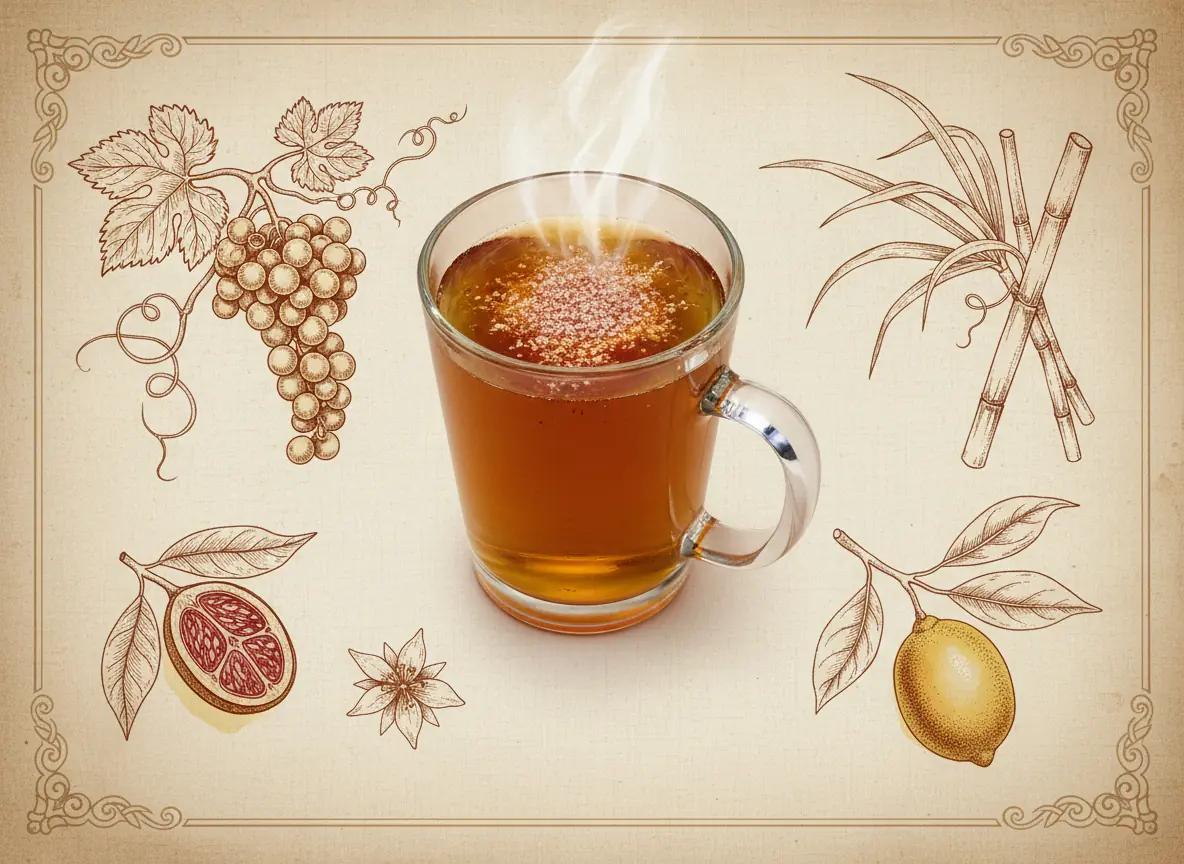
Brandy Sling (Hot)
A hot Brandy Sling is 50ml of brandy, 20ml of fresh lemon juice and 15ml of sugar syrup in a warmed heatproof glass, topped with 90ml of water just off the boil, stirred, and finished with freshly grated nutmeg and a lemon slice on the rim. About 2.0 UK units. In his 1862 bar guide Jerry Thomas wrote that the brandy sling is made with the same ingredients as the brandy toddy, except that you grate a little nutmeg on top. His sling has no lemon; ours adds 20ml, which keeps the sugar and brandy from tasting flat in hot water. Heat is the method. Water just off the boil, never boiling, warms the brandy without scalding off its aroma, and the nutmeg on the surface reaches you before the first sip.
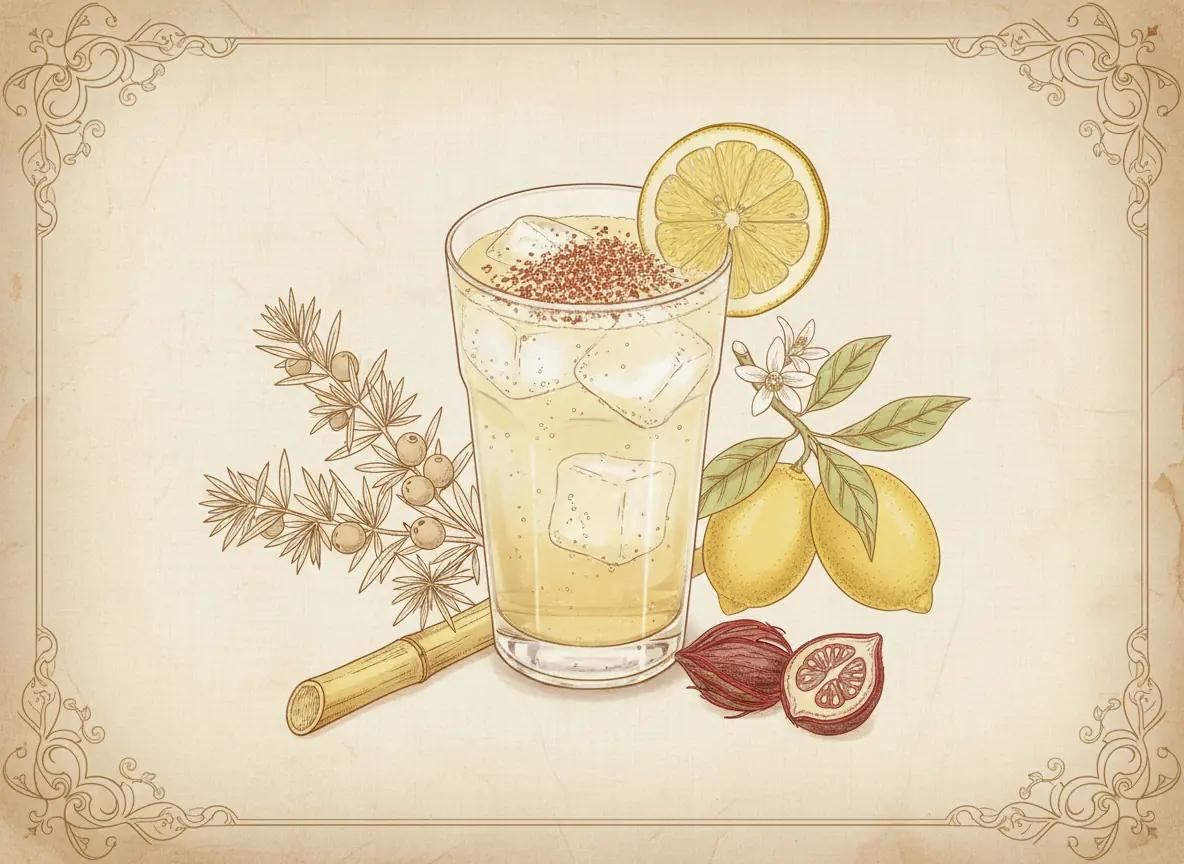
Gin Sling
A Gin Sling is 50ml London Dry gin, 25ml fresh lemon juice and 15ml sugar syrup, built over ice in a tall glass, topped with 60ml of cold soda and finished with nutmeg grated fresh over the top. The nutmeg is the part that makes it a sling. The sling is older than the cocktail. The Oxford Companion to Spirits and Cocktails, a secondary source, records the sling in Maryland in 1778 and says the first printed definition of the cocktail, in 1806, noted that it is vulgarly called bittered sling. Those early slings were spirit, sugar and water. Jerry Thomas, in his 1862 bar manual, separated the sling from the toddy by one detail: nutmeg grated on top. Lemon and soda came later, and they bring the modern Gin Sling close to the Tom Collins. The difference is in the proportions and the spice: less soda, so the gin stays in front, and a dusting of nutmeg the Collins never had.
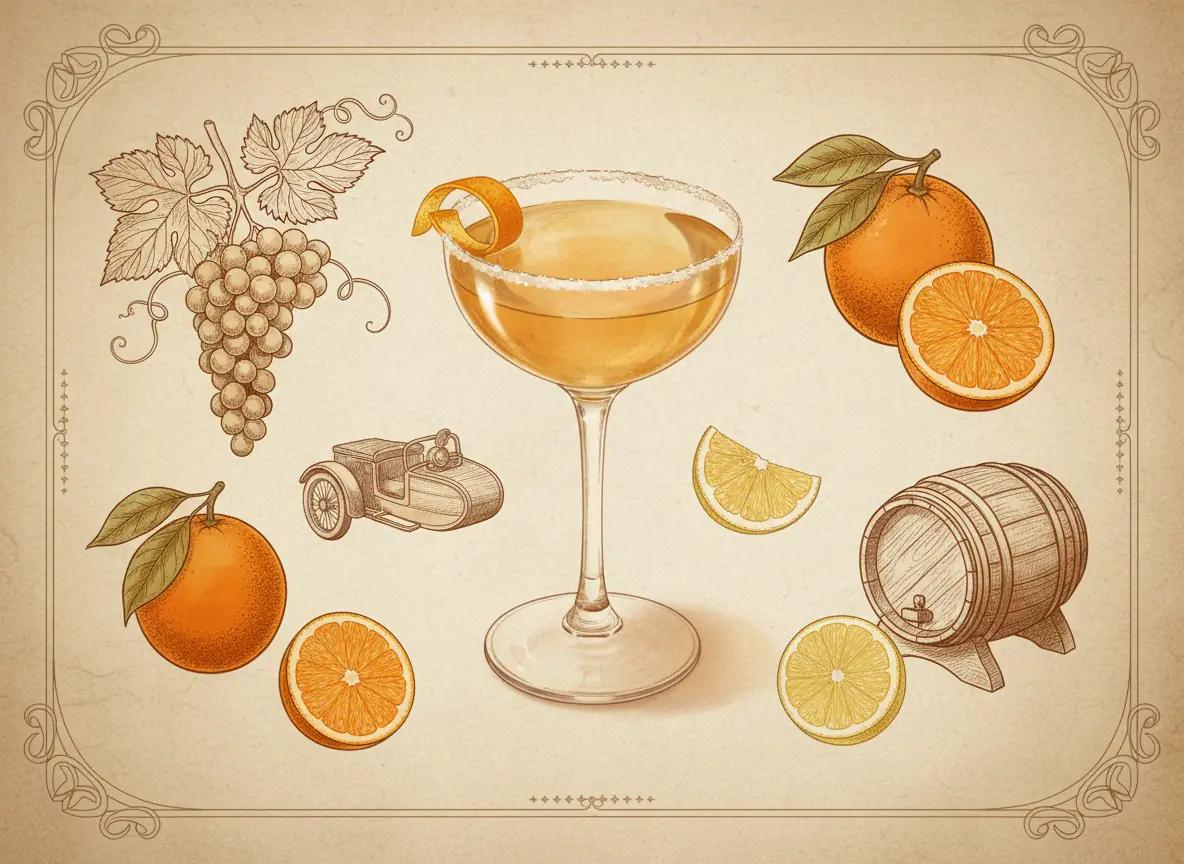
Sidecar
A Sidecar is a cognac sour: 50ml cognac, 20ml Cointreau or another triple sec and 20ml fresh lemon juice, shaken hard and double strained into a chilled coupe under an expressed strip of lemon peel. The IBA gives these measures, which put the cognac at two and a half parts to one each of orange and lemon. The Oxford Companion dates the first printed recipes to 1922, in Robert Vermeire’s Cocktails: How to Mix Them in May and Harry MacElhone’s Harry’s ABC of Mixing Cocktails at the end of the year, both at equal parts by Difford’s Guide. Both named Pat MacGarry of Buck’s Club in London; Difford’s says later editions of MacElhone’s book appear to take the credit for himself. The sugared rim came later: the earliest mention we have read is a 1932 American book, and the Oxford Companion says the drink has often been served with one since the 1930s. Ours has no rim. Each Sidecar carries about 2.8 UK units.
Where this one sits
Recipe by Jerry Can Spirits · Updated 19 October 2026