Seasonal Cocktails & Occasions: Your Complete Year-Round Drinking Guide
Seasonal & OccasionsComplete Guide22 min read

Seasonal Cocktails & Occasions: Your Complete Year-Round Drinking Guide

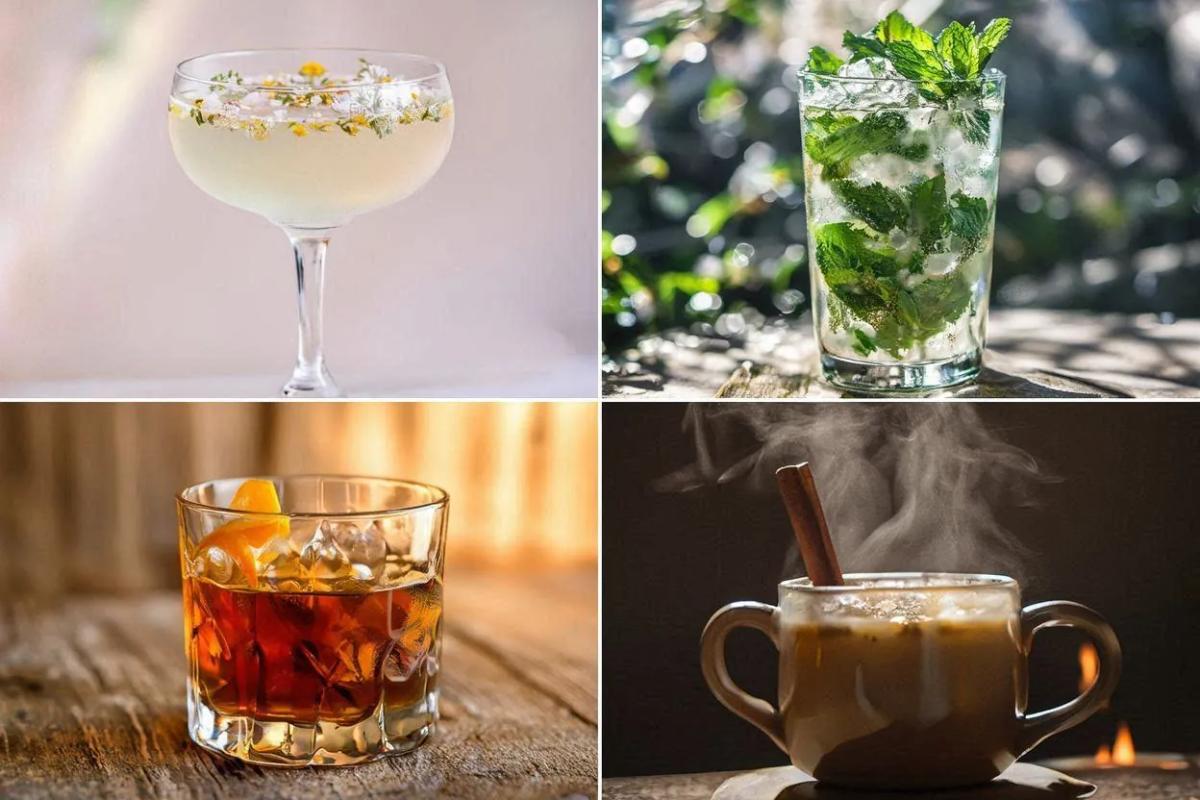
What you drink should suit the moment. A Mojito in December feels off and Mulled Wine in July makes no sense. The best cocktails match their season, reflecting mood, weather and ingredients. This guide explores seasonal serves, occasion drinks and the principles that help you pair the right cocktail with the right moment.

J
Jerry Can Spirits

23 January 2026

Why Seasonality Matters in Cocktails

Seasonality in cocktails isn't mere tradition; it reflects practical wisdom accumulated over generations. Certain drinks suit certain seasons because they address those seasons' specific conditions, complement available ingredients, and match prevailing moods. Temperature provides the most obvious seasonal driver. Hot weather demands refreshment; cold weather calls for warming. A tall, ice-filled Collins provides genuine relief on a sweltering August afternoon. A Hot Toddy offers comfort on a bitter January evening. These aren't arbitrary associations but functional responses to physical needs. Ingredients follow seasons too. Fresh berries peak in summer; citrus brightens winter. Herbs surge in spring; apples and pears define autumn. Cocktails built around seasonal ingredients taste better because those ingredients are at their best. A strawberry Daiquiri in June uses fruit at peak ripeness; the same drink in December uses imports that travelled thousands of miles. Mood shifts seasonally. Summer brings outdoor gatherings, barbecues, and long evenings. Winter encourages intimate indoor occasions, contemplative drinking, and richer flavours. The drinks we choose should match these varying contexts rather than ignoring them. Understanding seasonality transforms cocktail selection from random choice to considered decision. You begin choosing drinks because they suit the moment rather than simply because you fancy them.

The Four Seasons of Drinking

Each season brings characteristic cocktail styles worth understanding. Spring signals transition. Drinks lighten from winter heaviness without reaching summer extremes. Floral notes emerge: elderflower, violet, and the first herbs of the year. Champagne cocktails celebrate lengthening days. Colours brighten from winter's ambers and browns toward pastel shades. Summer demands refreshment above all. Ice becomes essential; long drinks dominate. Tropical flavours feel appropriate; tiki drinks and rum punches suit the season. Alcohol content tends lower because extended outdoor gatherings require session-friendly serves. Fruits peak: berries, stone fruits, and melons all find their way into glasses. Autumn brings richness as temperatures drop and evenings shorten. Whiskey and brandy step forward after summer's rum and vodka dominance. Apple and pear flavours suit the season. Drinks become more spirit-forward, less extended with mixers. Warming spices reappear: cinnamon, clove, and nutmeg. Winter embraces warmth and richness fully. Hot drinks claim their months; mulled wine and hot toddies define the season. Cream-based cocktails feel appropriate rather than heavy. Celebrations cluster: Christmas, New Year, and Valentine's Day all demand special serves. The darkest season calls for drinks that comfort and warm.

Occasion-Based Thinking

Beyond seasons, occasions shape drink choice. A birthday party differs from a Tuesday evening; a wedding differs from a casual barbecue. Understanding these contexts helps select drinks that enhance rather than conflict with their settings. Celebrations typically call for champagne or sparkling wine. Bubbles signal special occasions; their presence communicates that something is being marked. Adding champagne to a gathering transforms it, even if the champagne itself is modest. Intimate occasions suit spirit-forward drinks. A date night, an anniversary dinner, or a quiet evening together benefits from considered cocktails sipped slowly. Quality matters more than quantity; presentation signals effort and care. Large gatherings demand practical solutions. Batched punches, self-serve stations, and simple highballs suit crowds better than elaborate individual cocktails. The host who spends the party shaking drinks misses the party entirely. Professional settings require restraint. After-work drinks, business dinners, and networking events call for modest consumption and mainstream choices. The time for adventurous ordering comes later, with friends rather than colleagues. Matching drinks to occasions isn't restrictive; it's liberating. Understanding what suits each situation reduces decision fatigue and increases satisfaction with choices made.

Spring Cocktails

Spring brings national day celebrations: St Patrick's Day (March 17th) celebrates Irish whiskey and green-themed serves, while St George's Day (April 23rd) offers the perfect occasion for English gin cocktails. See our dedicated guides for both occasions. For Easter entertaining guidance, see our Easter Drinks & Entertaining Guide, covering brunch cocktails, garden party serves, and food pairings.

Defining Spring Flavours

Certain flavours announce spring's arrival. Elderflower leads the way, its delicate sweetness appearing in cordials, liqueurs, and fresh preparations. St-Germain and similar elderflower liqueurs enable countless spring cocktails; British cordials offer non-alcoholic alternatives. Light floral notes complement elderflower. Violet, rose, and lavender all suit spring drinking when used with restraint. These aromatics should suggest flowers without overwhelming; spring cocktails should hint rather than announce. Fresh herbs return in spring. Mint reaches first maturity; basil begins appearing in gardens. These herbs brighten cocktails with vegetal freshness impossible in winter months. Spring means muddling becomes practical again. Citrus remains important, though spring begins the transition from winter's preserved citrus reliance toward summer's abundant fresh options. Grapefruit suits spring particularly well; its bitterness provides complexity while its freshness suits the season. Stone fruits preview in late spring. Early peaches and apricots appear; their subtle sweetness suits spring's gentle mood better than summer's bold tropical flavours.

Essential Spring Serves

he Elderflower Collins captures spring perfectly. Gin, elderflower liqueur, lemon juice, and soda combine into something light yet flavourful. It refreshes on warm days while remaining gentle enough for cooler ones. The French 75 suits spring celebrations. Gin, lemon, sugar, and champagne create elegant fizz appropriate for Easter gatherings, spring weddings, and the first outdoor parties of the year. The Aperol Spritz begins its season in spring. Though it peaks in summer, the Italian aperitivo suits April afternoons when sunshine finally arrives. Its orange colour echoes spring flowers; its bitterness prevents excessive sweetness. A Hemingway Daiquiri offers complexity for spirit enthusiasts. White rum, lime, grapefruit, and maraschino liqueur create something drier and more interesting than standard Daiquiris. The grapefruit note feels particularly spring-appropriate. The Gimlet provides simple elegance. Gin and lime cordial (or fresh lime juice with simple syrup) produce a clean, bright cocktail that works throughout spring. Its simplicity suits the season's fresh optimism.

Summer Cocktails

Summer drinking prioritises refreshment above all else. Heat demands cold drinks, generous ice, and lower alcohol content for extended outdoor sessions. The best summer cocktails quench thirst while maintaining flavour interest. British summers rarely achieve tropical intensity, but even moderate warmth changes drinking needs. The drinks that satisfy in January feel too heavy in July; lighter, longer serves take their place. For comprehensive summer drinking guidance, see our Summer Cocktails Guide, covering garden party essentials, barbecue serves, batched drinks for crowds, and non-alcoholic options for hot weather.

Summer's Essential Characteristics

Length matters in summer drinks. Short, spirit-forward cocktails suit contemplative evenings; they don't suit sunny afternoons when thirst drives consumption. Summer cocktails typically extend spirits with mixers, juices, and generous ice. Ice becomes essential rather than optional. Winter drinks can survive modest ice or even room temperature service; summer drinks cannot. Use more ice than seems reasonable; it keeps drinks cold as temperatures climb. Tropical flavours feel appropriate. Pineapple, mango, passion fruit, and coconut all suit summer drinking. The Caribbean origins of these flavours align with rum's dominance in warm-weather cocktails. Session drinking requires attention. Summer gatherings stretch across hours; drinks with lower alcohol content allow sustained enjoyment without early deterioration. Spritzes, Collins-style drinks, and wine-based punches suit extended occasions. Freshness provides focus. Fresh mint, fresh berries, fresh citrus: these elements define summer drinking. Preserved and dried ingredients suit winter; summer demands the real thing.

Summer Essentials

The Mojito defines summer rum drinking. Fresh mint, lime, sugar, white rum, and soda create something herbaceous and refreshing. Its labour intensity (muddling, building, abundant garnish) suits occasions when time exists for proper preparation. The Aperol Spritz has conquered British summers through accessibility and visual appeal. Aperol, prosecco, and soda over ice with orange creates low-effort celebration. Its low alcohol content enables afternoon session drinking. Pimm's Cup marks British summer's arrival. The proprietary cup mixed with lemonade and loaded with fruit and cucumber captures something essentially British about warm-weather drinking. The Margarita suits summer barbecues perfectly. Its acidity cuts through charred meat; its salt rim enhances savoury foods. Batch it for crowds; serve individual portions on the rocks. The Storm & Spice provides rum's spiced complexity in summer-appropriate format. Spiced rum and ginger beer create something refreshing yet substantial. Quality ginger beer makes the difference; cheap versions produce forgettable drinks.

Autumn Cocktails

Autumn drinking transitions from summer's refreshment toward winter's warmth. As temperatures drop and evenings shorten, cocktails become richer, spirits more prominent, and flavours more complex. This season rewards whiskey and brandy. These spirits suit contemplative drinking; autumn evenings provide ideal context. The bold flavours that overwhelmed summer's lightness feel appropriate as the year darkens. Autumn offers unique British occasions: Halloween brings theatrical cocktails and dark spirits, while Bonfire Night on November 5th demands warming serves for outdoor gatherings. For comprehensive coverage, see our Autumn Cocktails Guide, Halloween Drinks Guide, and Bonfire Night Drinks Guide.

Autumn's Flavour Profile

Apple and pear flavours peak in autumn. Calvados (apple brandy), cider, and fresh fruit all feature in autumnal cocktails. These orchard fruits provide sweetness with depth, bridging summer's bright freshness and winter's richness. Warming spices return. Cinnamon, nutmeg, clove, and allspice suit autumn drinking. They anticipate winter's mulling traditions without jumping straight to Christmas flavours. Caramel and toffee notes complement the season. Aged spirits provide these flavours naturally; syrups and liqueurs enhance them. The richness suits October evenings in ways that would feel heavy in July. Darker colours appear in glassware. Amber whiskeys, brown spiced rums, and deep red wines replace summer's clear vodkas and pale rosés. The visual shift signals seasonal transition. Bitter elements gain prominence. Amari, Campari, and similar bitter liqueurs suit autumn's contemplative mood. Their digestive properties align with heavier seasonal foods; their complexity rewards slow sipping.

Autumn Essentials

The Old Fashioned suits autumn perfectly. Whiskey, sugar, and bitters produce something spirit-forward yet balanced. Its simplicity invites contemplation; its warmth suits cooling weather. The Paper Plane demonstrates modern autumn cocktail potential. Equal parts bourbon, Aperol, amaro, and lemon juice create something complex and balanced. The bitter notes and whiskey backbone suit the season. An Apple Cider Sour captures autumn's orchard essence. Apple cider, bourbon, lemon juice, and simple syrup combine seasonal fruit with whiskey's warmth. Fresh cider (not the alcoholic kind) makes the drink. The Maple Bourbon Sour substitutes maple syrup for simple syrup in the classic formula. The maple's caramelised sweetness suits autumn perfectly, especially as Canadian and American harvest seasons peak. The Negroni shifts from aperitif to evening drink in autumn. Its bitter complexity suits the season's contemplative mood; its spirit-forward nature aligns with cooler weather drinking patterns.

Winter Cocktails

Winter drinking embraces warmth, richness, and celebration. The coldest months bring holidays that demand special drinks and evenings that reward contemplative sipping. Hot drinks claim their season. Mulled wine, hot toddies, and warm punches provide comfort impossible in other months. The ritual of warming drinks matches winter's domestic focus. For comprehensive guidance, see our Winter Cocktails Guide covering the full season, and our Christmas Drinks & Pairings Guide for festive celebrations. Scottish traditions shine with Burns Night (January 25th) and St Andrew's Day (November 30th), both detailed in their dedicated guides.

Winter's Warming Character

Heat in drinks provides comfort unique to winter. The warmth spreading from a Hot Toddy creates satisfaction no cold drink matches when temperatures drop below freezing. Embracing hot serves rather than avoiding them defines winter drinking. Richness suits the season. Cream-based cocktails that feel too heavy in summer become appropriate as the year ends. Eggnog, Brandy Alexanders, and Irish Coffee all deliver indulgence that matches winter's celebratory mood. Aged spirits shine in winter. Cognac, aged rum, whiskey, and similar spirits offer complexity that rewards slow attention. Winter evenings provide the time; the spirits provide the reward. Spiced flavours peak at Christmas but suit the entire season. Cinnamon, clove, nutmeg, and ginger appear in drinks from November through February. Their warmth complements cold weather; their associations evoke festive comfort. Fortified wines earn winter prominence. Port, sherry, and Madeira all suit cold weather drinking. Their higher alcohol content provides warmth; their concentrated flavours satisfy in small portions.

Winter Essentials

The Hot Toddy represents winter drinking at its purest. Whiskey, hot water, honey, and lemon create something warming and medicinal in the best sense. Its simplicity belies its effectiveness against cold. Mulled Wine appears at every winter gathering for good reason. Wine warmed with spices and citrus captures the season's festive spirit. Quality varies enormously; proper technique (never boiling, appropriate spicing, enough time) produces vastly better results. The Espresso Martini suits winter celebrations. Its caffeine revives after heavy meals; its richness matches the season; its sophisticated presentation suits formal occasions. Irish Coffee provides warmth and stimulation simultaneously. Quality whiskey, fresh coffee, brown sugar, and lightly whipped cream create something greater than its simple components suggest. The Sazerac warms winter evenings with rye complexity. Absinthe rinse, rye whiskey, sugar, and Peychaud's bitters produce something spirit-forward yet nuanced. It rewards the contemplative drinking winter encourages.

Holiday and Occasion Drinks

Certain occasions demand specific drinks regardless of season. Birthdays, anniversaries, weddings, and accomplishments all call for celebration; the drinks should match the moment's significance. Understanding occasion-appropriate drinks simplifies planning. When you know champagne suits celebrations, whiskey suits contemplation, and punch suits crowds, choices become easier. For romantic occasion guidance, see our Valentine's Day Drinks Guide, covering cocktails for two, elegant presentations, and shared serves for intimate celebrations.

Celebration Drinks

Champagne signals celebration universally. Whether served straight, as Mimosas at brunch, or as cocktail bases, bubbles communicate that something matters. Budget champagne or quality prosecco serves most purposes adequately. Champagne cocktails add interest to straight bubbles. The classic Champagne Cocktail, Kir Royale, and French 75 all enhance celebration while remaining recognisably festive. Birthday drinks often reflect the celebrant's preferences rather than occasion traditions. Ask what they want rather than assuming; the most celebratory drink is one they actually enjoy. Anniversary drinks should recall the couple's history. The cocktail from their first date, the wine from their wedding, or simply their shared favourite creates connection to the celebration's meaning. Achievement drinks range from champagne toasts for major accomplishments to whiskey neat for personal milestones. The drink should match the achievement's character: public celebrations suit bubbles; private satisfactions suit contemplative spirits.

Hosting and Entertaining

Large gatherings require practical drink solutions. Punch serves crowds efficiently; batch cocktails reduce per-drink labour; self-serve stations free hosts from constant bartending. Dinner parties benefit from considered pairings. Match aperitifs to canapés, wines to courses, and digestifs to conversation. The progression of drinks across an evening creates experience beyond individual serves. Casual gatherings suit simpler approaches. A well-stocked cooler, quality mixers, and a few spirit options let guests assemble preferences. Complexity isn't always desirable. Professional entertaining requires restraint. Business dinners, networking events, and work celebrations call for mainstream drinks consumed moderately. Save the adventurous cocktails for appropriate audiences. Children at gatherings deserve non-alcoholic options that feel special. Shirley Temples, mocktails in proper glassware, and quality soft drinks prevent kids from feeling excluded while adults drink.

Building Your Seasonal Repertoire

Mastering seasonal drinking comes through practice and attention. Building a personal repertoire of drinks suited to each season and occasion transforms hosting from stressful to confident. Start with essentials rather than attempting comprehensive coverage. A few reliable drinks for each season beats superficial knowledge of dozens. Depth serves better than breadth when actually hosting.

Your Starter Seasonal List

Begin with one or two drinks per season that you can make confidently. For spring: the French 75 covers celebrations; the Elderflower Collins covers casual gatherings. For summer: the Mojito satisfies rum lovers; the Aperol Spritz pleases crowds with minimal effort. For autumn: the Old Fashioned rewards whiskey appreciation; the Paper Plane impresses cocktail enthusiasts. For winter: the Hot Toddy provides warming simplicity; the Espresso Martini suits after-dinner service. For celebrations: know how to open champagne properly and make a basic Champagne Cocktail. This minimal list covers most situations. Master these before expanding. Confidence in a few drinks serves better than uncertainty across many.

Expanding Your Knowledge

Once basics are secure, explore deeper into seasons that interest you. Summer enthusiasts might explore tiki drinks, tropical punches, and frozen cocktails. The category offers endless variation for those who love warm-weather drinking. Winter romantics might study Hot Toddy variations, mulled wine recipes, and cream-based classics. The category rewards attention to detail and quality ingredients. Occasion specialists might focus on champagne cocktail variations, wedding punch recipes, or after-dinner digestif traditions. Specialisation creates expertise that generalism cannot match. Follow your interests rather than attempting systematic coverage. Passion produces better results than obligation. The drinks you genuinely enjoy making will be the drinks you make well.

Resources for Further Learning

The Easter Drinks & Entertaining Guide covers spring celebration drinks, brunch cocktails, and garden party serves. The Summer Cocktails Guide addresses warm-weather drinking comprehensively. The Autumn Cocktails Guide explores harvest flavours and warming serves. The Winter Cocktails Guide covers the full cold season, while Christmas Drinks & Pairings handles festive entertaining specifically. The Valentine's Day Drinks Guide focuses on romantic occasions. The Halloween Drinks Guide covers theatrical cocktails and dark spirits. For British celebrations throughout the year, we cover Burns Night (Scottish whisky traditions), St Patrick's Day (Irish whiskey and green serves), St George's Day (English gin cocktails), St Andrew's Day (Scottish celebration drinks), and Bonfire Night (warming outdoor serves). For technique foundations, see Essential Home Bar Setup, Garnishing Like a Pro, and Muddling Masterclass for skills applicable across all seasons. Experience matters most. Make drinks, serve them, note what works. Your personal repertoire develops through practice rather than reading alone.

Seasonal Cocktail Characteristics Overview

Spring

Key FlavoursElderflower, citrus, herbs
Spirit FocusGin, champagne
Serve StyleMedium length, some fizz
Example CocktailsFrench 75, Elderflower Collins

Summer

Key FlavoursTropical, berry, mint
Spirit FocusRum, vodka, tequila
Serve StyleLong, ice-heavy, refreshing
Example CocktailsMojito, Aperol Spritz, Margarita

Autumn

Key FlavoursApple, spice, caramel
Spirit FocusWhiskey, brandy
Serve StyleSpirit-forward, shorter
Example CocktailsOld Fashioned, Paper Plane

Winter

Key FlavoursWarm spices, cream, coffee
Spirit FocusWhiskey, cognac, rum
Serve StyleHot or rich, warming
Example CocktailsHot Toddy, Mulled Wine, Eggnog

Celebration

Key FlavoursChampagne, bubbles
Spirit FocusChampagne, vodka
Serve StyleElegant, presentable
Example CocktailsChampagne Cocktail, Kir Royale

Frequently Asked Questions

Why should I drink different cocktails in different seasons?

Seasonal drinking responds to practical needs: hot weather demands refreshment; cold weather calls for warming. It also aligns with ingredient availability, since fresh produce tastes best in its natural season. Finally, seasonal drinks match prevailing moods. Summer's bright energy suits different drinks than winter's contemplative atmosphere. Matching drinks to seasons increases satisfaction.

What if I want a Mojito in December?

Drink what you enjoy. Seasonal guidance describes tendencies, not rules. If you want a Mojito in December, make one. That said, consider whether the drink will satisfy as fully as something suited to the season. A Hot Toddy might hit differently when it's cold outside. Seasonal awareness expands options rather than restricting them.

What are the most versatile cocktails across seasons?

The Martini works year-round since its simplicity transcends seasonal associations. The Whisky Sour suits most occasions and weather conditions. The Gin and Tonic adapts to seasons through garnish choices and tonic selection. Champagne belongs to celebrations regardless of calendar date. These versatile drinks fill gaps when seasonal specialties don't suit.

How do I plan drinks for a party that spans seasons?

Late-season parties (late May, late September) should acknowledge the transition. Offer options from both adjacent seasons, letting guests choose based on weather and mood. A late spring party might offer both French 75s and early Aperol Spritzes. A late autumn party might include both Paper Planes and early Hot Toddies.

What makes a good Christmas cocktail versus a good summer cocktail?

Christmas cocktails embrace warmth, richness, and festive spices. They're often served hot or at least at room temperature. Cream and eggs appear acceptably. Colours tend toward amber and red. Summer cocktails prioritise refreshment, brightness, and lower alcohol content. They demand generous ice. Tropical flavours feel appropriate. Clear and pale drinks dominate. The contrast reflects opposite seasonal needs.

Ready to Get Started?

Explore Our Craft Spiced Rum