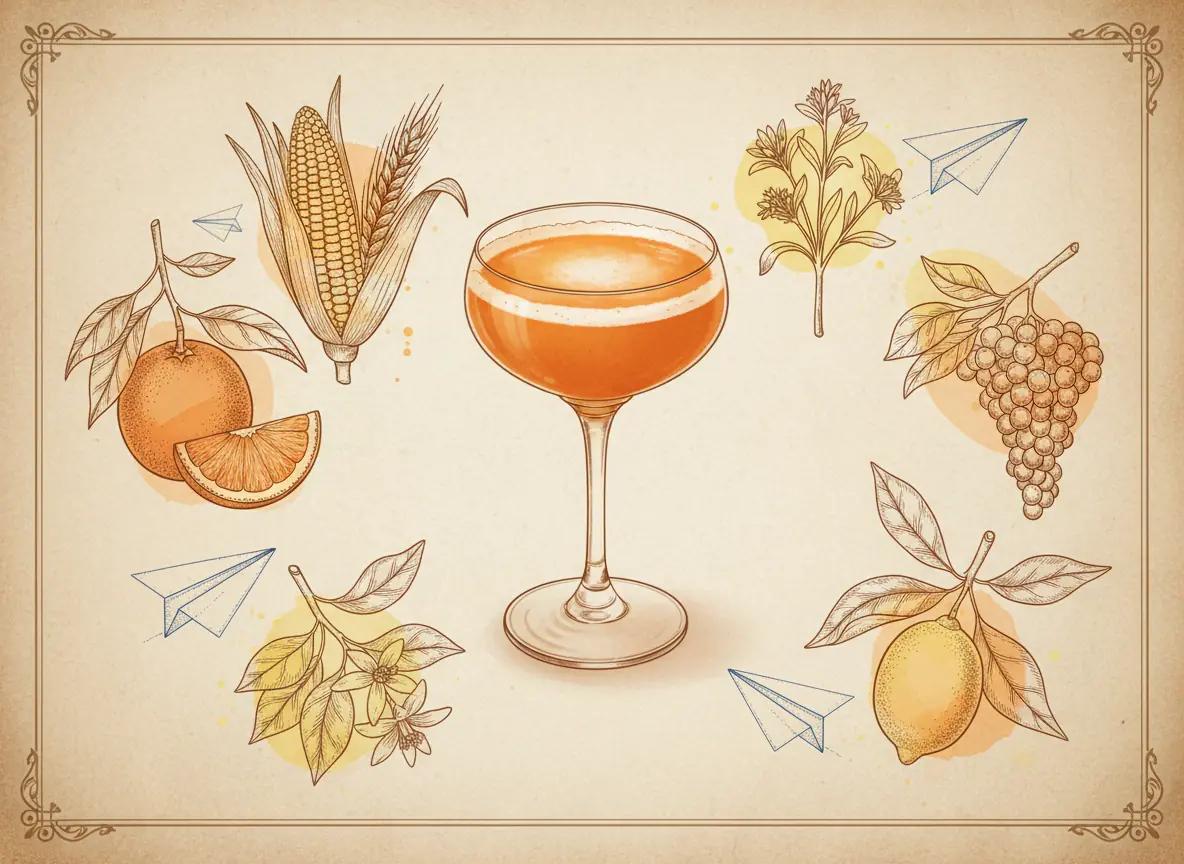
Paper Plane
A Paper Plane is 30ml each of bourbon, Aperol, Amaro Nonino and fresh lemon juice, shaken hard and double strained into a chilled coupe. Four equal parts, which is the IBA specification: bitter orange, herbs and lemon over bourbon, at about 2.6 UK units. Punch, a secondary source, says Toby Maloney, who helped open The Violet Hour in Chicago, asked Sam Ross to create a drink for the bar, and that it was on the menu there in the summer of 2008. Ross named it after the M.I.A. song Paper Planes. The first version used Campari; Punch quotes Ross finding it slightly too bitter and short of sweetness, and he moved to Aperol. Equal parts leaves nowhere to hide. Squeeze the lemon the same day and use Nonino, not a cheaper amaro, because each ingredient is a quarter of the drink.
Glassware: Coupe Glass
Garnish: Lemon peel
Ingredients
30ml
A bourbon at 40 to 45% ABV with clear vanilla and caramel, such as Four Roses Yellow Label. At 30ml it is the only full-strength spirit in the glass.
30ml
Bitter orange and the colour, at 11% ABV on Aperol’s own FAQ. Ross moved to it from Campari, which Punch quotes him finding slightly too bitter for the drink.
30ml
Amaro Nonino Quintessentia, from Friuli: Nonino’s own page says the family replaced grappa in the recipe with its aged ÙE grape distillate in 1992. In our view it is lighter and more orange-led than most. A darker, more bitter amaro makes a heavier drink.
30ml
Squeezed the same day, ideally to order. It holds the other three in balance, and stale juice leaves the drink flat.
Instructions
Squeeze the lemon juice the same day, ideally just before you build.
Chill a coupe in the freezer.
Add the bourbon, Aperol, Amaro Nonino and lemon juice to a shaker.
Fill the shaker with cubed ice and shake hard for 10 to 12 seconds.
Double strain into the chilled coupe.
Express a strip of lemon peel over the surface, rest it on the rim and serve.
Source: the IBA (Official IBA specification, with a lemon peel garnish where the IBA takes none; method ours). Last checked 9 October 2026.
Expert Tip
Squeeze the lemon the same day, ideally just before you build. At 30ml it is a quarter of the drink, and juice that has stood overnight tastes flat against the Aperol. Do not swap the Nonino. It is lighter and more orange-led than most amari, and a darker, more bitter one tips the drink heavy. If the drink tastes wrong, check the amaro and the lemon before you touch the proportions. Shake hard for 10 to 12 seconds and double strain into a coupe from the freezer. Three of the four ingredients are low in alcohol or none, so the drink needs to be properly cold to taste finished.
Behind the Paper Plane
Flavour Profile
The Origin
Punch says Toby Maloney, who helped open The Violet Hour in Chicago, asked Sam Ross, with whom he had worked at Milk & Honey in New York, to create an original cocktail for the bar, and that the Paper Plane was on the bar’s menu in the summer of 2008.
The name came from the M.I.A. song Paper Planes, Punch says, and Ross relayed the recipe by voicemail, so Maloney misheard it as Paper Airplane. Punch reports that the first version served at The Violet Hour used Campari: Ross found it slightly too bitter and short of sweetness, and moved to Aperol, and that is the version that spread. The IBA lists it among its New Era cocktails.
The Last Word Pattern
The Paper Plane follows the format of the Last Word, an older drink of gin, green Chartreuse, maraschino and lime in equal parts. Each ingredient does one of the same jobs.
Paper Plane and Last Word, ingredient by ingredient
Base spirit
- Paper Plane
- 30ml bourbon
- Last Word
- Gin
Bitter or herbal liqueur
- Paper Plane
- 30ml Aperol
- Last Word
- Green Chartreuse
Second liqueur
- Paper Plane
- 30ml Amaro Nonino
- Last Word
- Maraschino liqueur
Citrus
- Paper Plane
- 30ml fresh lemon
- Last Word
- Fresh lime
| Job | Paper Plane | Last Word |
|---|---|---|
| Base spirit | 30ml bourbon | Gin |
| Bitter or herbal liqueur | 30ml Aperol | Green Chartreuse |
| Second liqueur | 30ml Amaro Nonino | Maraschino liqueur |
| Citrus | 30ml fresh lemon | Fresh lime |
Made one after the other, the two show what equal parts does. The Last Word is sharp, herbal and a little medicinal. The Paper Plane is warmer, with bitter orange in front and the bourbon underneath.
The Nonino Requirement
Nonino’s own page says Amaro Nonino Quintessentia was born in Friuli and has used the family’s ÙE grape distillate, aged in barriques, in place of grappa since 1992. In our view it is lighter and more orange-led than most Italian amari. In this drink the Aperol supplies the bitterness. The Nonino supplies herbs, dried fruit and body in the middle of the palate, which links the bourbon to the lemon.
A darker, more bitter amaro changes the balance at once, because at 30ml it is a quarter of the drink. The result is a decent bitter sour, and not a Paper Plane.
How to Serve It
Shaken hard, double strained into a chilled coupe with no ice, and finished with lemon peel expressed over the top. At about 2.6 UK units, and bright with lemon and Aperol, it works before dinner or after it.
Make it at home
The Spirit
Whiskey (Bourbon)Under the US standard 27 CFR 5.143, bourbon is an American whiskey whose mash is at least 51% corn, matured in fresh charred oak barrels and bottled at 40% ABV or higher, the figure our recipes use. The fresh charred wood gives it its vanilla, caramel and colour, and the corn gives a rounder, sweeter spirit than rye. It is the base of 26 of our recipes, more than any other whiskey.
Master the Techniques
More to explore
Frequently Asked Questions
What is a Paper Plane cocktail?
Who created the Paper Plane?
Did the Paper Plane originally use Campari?
How does it relate to the Last Word?
Can I swap the Amaro Nonino?
How strong is a Paper Plane?
What glass does a Paper Plane go in?
Sources.
Checked between 18 October and 19 October 2026.
- Punch, “How the Paper Plane Became a Modern Classic” (secondary source: Violet Hour menu of summer 2008, Campari original; Ross: “slightly too bitter and the sweetness wasn’t there”; Aperol substituted; Maloney and Ross had worked together at Milk & Honey).
- Nonino, “Amaro Nonino Quintessentia” (maker’s page: 35% alcohol content; grappa replaced in 1992 by ÙE grape distillate aged in barriques, aged for a minimum of 12 months).
- Aperol, “Aperol FAQ” (maker’s page: Aperol has an alcohol content of 11%).
- IBA, “Paper Plane” (official specification: 30ml each of bourbon, Aperol, Amaro Nonino and lemon juice).
- Difford’s Guide, “Penicillin cocktail” (secondary source: adapted from a 2005 recipe created by Sam Ross at Milk & Honey in Manhattan; originated as a riff on a Gold Rush).
You Might Also Like
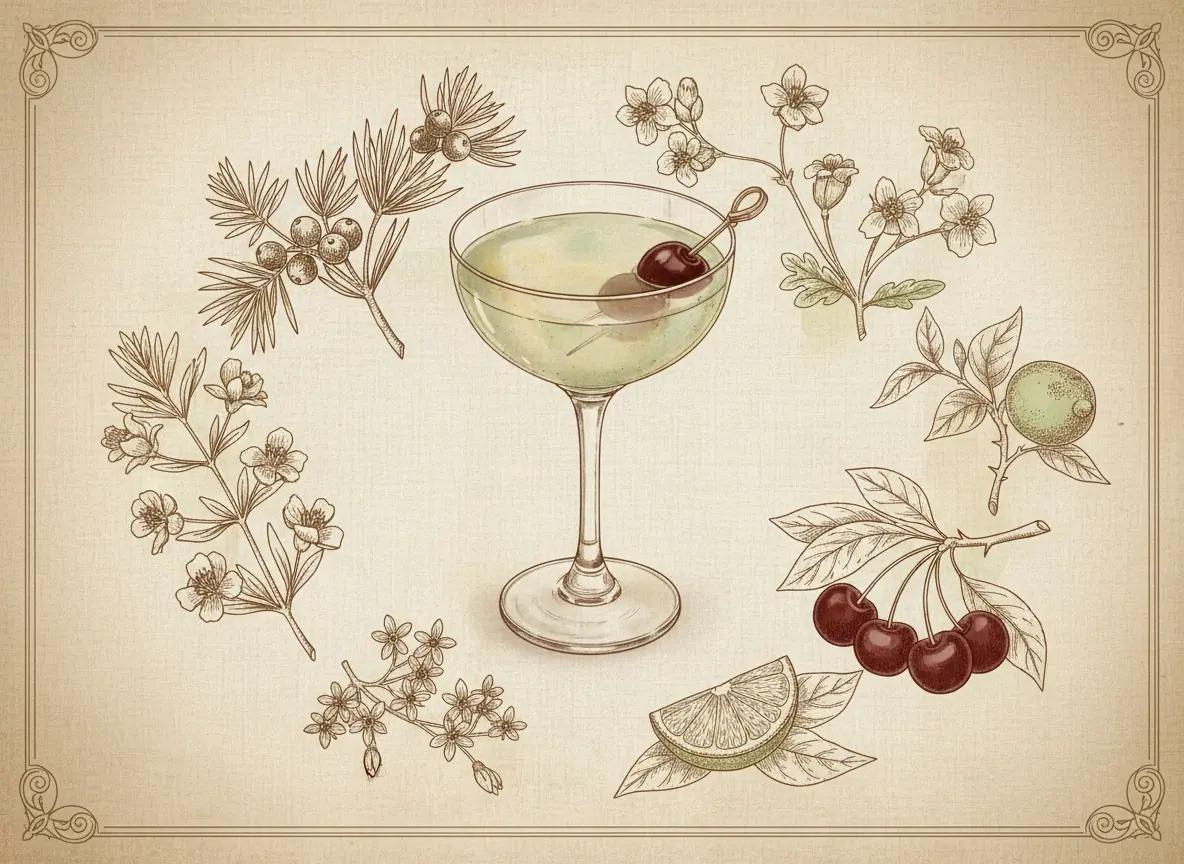
Last Word
A Last Word is 22.5ml each of gin, green Chartreuse, maraschino liqueur and fresh lime juice, shaken hard for 10 to 12 seconds and double strained into a chilled Nick & Nora or coupe. About 2.9 UK units. The measures are the IBA’s; the cherry or lime twist is ours. The Oxford Companion says the drink first appears in print in the Detroit Athletic Club News in 1916, on a menu at 35 cents, a high price then. Ted Saucier’s Bottoms Up of 1951 prints the recipe, quoting a club source who says Frank Fogarty, a vaudeville monologist, introduced it there about thirty years earlier. In 2003 Murray Stenson put it on the menu at the Zig Zag Café in Seattle, from where it spread, the Companion says. Four strong flavours at equal volume, and none takes over. Chartreuse brings herbs and heat, maraschino cherry and a bitter almond edge, lime the acid, and gin holds them together.
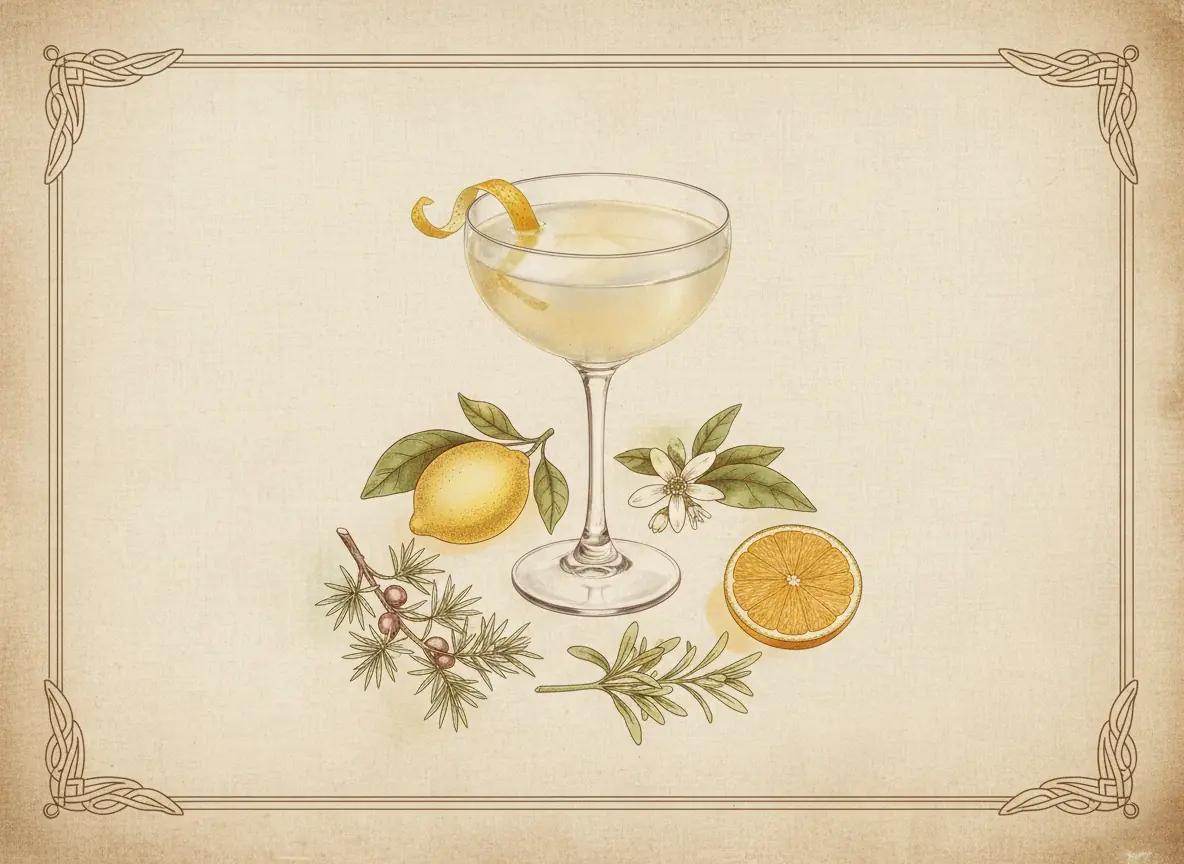
Corpse Reviver No. 2
A Corpse Reviver No. 2 is 30ml each of London Dry gin, Cointreau, Lillet Blanc and fresh lemon juice, shaken hard for 10 to 12 seconds and double strained into a chilled coupe rinsed with absinthe, with lemon peel expressed over the top. About 2.9 UK units. The four measures are the IBA’s. The IBA puts a dash of absinthe in the shaker; we rinse the glass with it, which leaves the scent with less of the anise. Lillet Blanc stands in for the Kina Lillet of older recipes; accounts differ on whether that was a more bitter wine. Harry Craddock printed it in the Savoy Cocktail Book in 1930, beside a No. 1. Under the No. 2 he added a warning: four taken in swift succession would unrevive the corpse again.
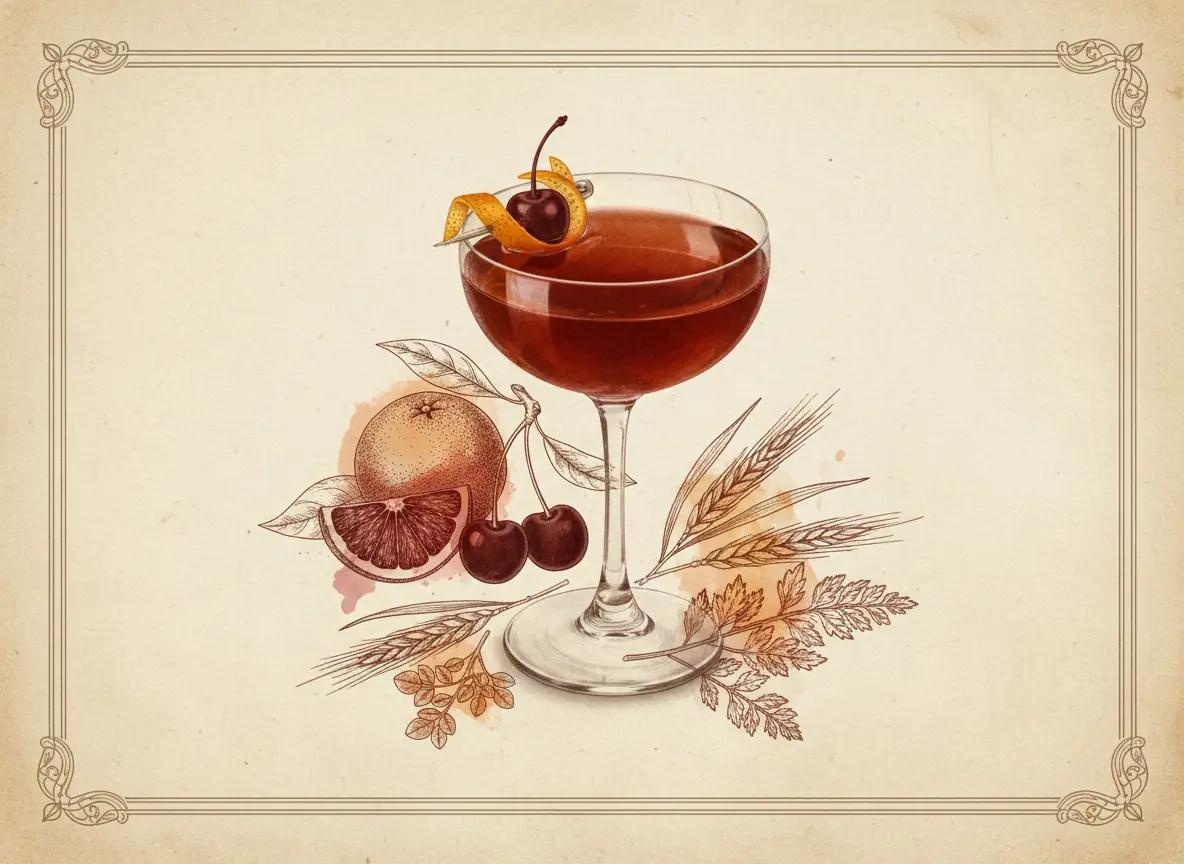
Blood & Sand
A Blood & Sand is equal parts Scotch whisky, sweet vermouth, Cherry Heering and fresh orange juice, 25ml of each, shaken hard and double strained into a chilled coupe. An expressed orange peel goes on top. No syrup goes in: the cherry liqueur and the vermouth do all the sweetening, and the glass holds about 2.0 UK units. It shares its name with Blood and Sand, the film that cast Rudolph Valentino as a bullfighter, first screened in 1922, and the Oxford Companion to Spirits and Cocktails says it first appears in Harry Craddock’s Savoy Cocktail Book of 1930. Nobody can be shown to have mixed it first. Scotch and orange juice sound like an odd pair. The vermouth and cherry join them, bridging malt and citrus with wine and dark fruit, so that no single ingredient leads.
Where this one sits
Recipe by Jerry Can Spirits · Updated 19 October 2026