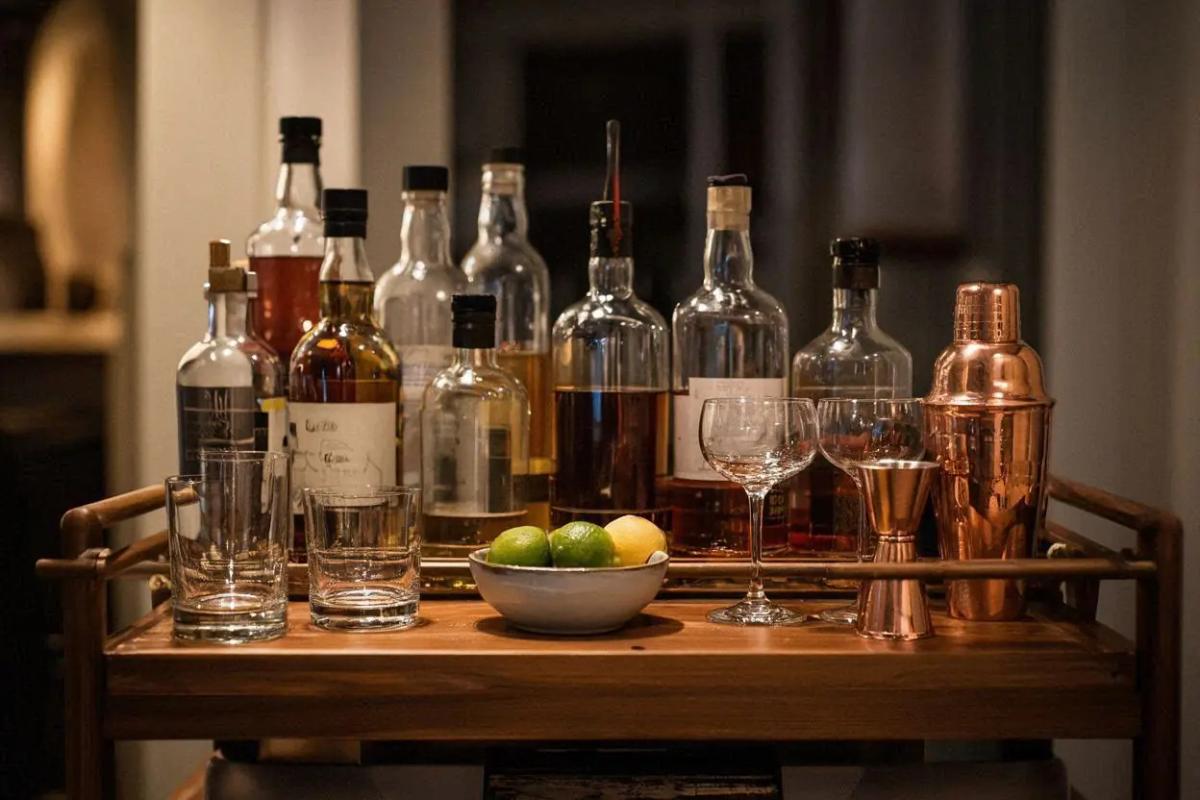
Essential Home Bar Setup: Everything You Need to Start Making Cocktails
Buying GuidesComplete Guide20 min read

Essential Home Bar Setup: Everything You Need to Start Making Cocktails

A well‑equipped home bar turns cocktail making from aspirational into genuinely achievable. You don’t need professional gear or endless bottles; a focused set of essential tools and a handful of versatile spirits will cover most classics. This guide breaks down what actually matters: core equipment, a smart starter spirit selection, glassware that earns its space, and organisation principles that keep everything easy to reach. Begin with the basics and build with purpose.

J
Jerry Can Spirits

23 January 2026

Essential Bar Tools

Professional cocktail bars bristle with specialised equipment, most of which home bartenders never need. A focused selection of quality tools handles 95% of cocktails; elaborate gadgets gather dust. Invest in essentials; skip the novelties. The tools below represent genuine necessities—items you'll use repeatedly, that make techniques easier, and that produce noticeably better results than improvisation. A complete set costs less than a night out; the investment pays dividends across years of home bartending. Buy quality where it matters. A cheap jigger that measures inaccurately undermines every drink you make; a cheap bar spoon that bends serves identical purpose to an expensive one. Know where precision counts and where it doesn't.

The Shaker

Every home bar needs a shaker. Two styles dominate: the Boston shaker (two-piece, one metal tin fitting inside another or inside a mixing glass) and the cobbler shaker (three-piece with built-in strainer). The Boston shaker is professional standard. Its two tins seal with a firm tap, shake efficiently, and separate easily with practice. It requires a separate strainer but offers larger capacity and faster workflow. Most bartenders prefer it; most cocktail recipes assume it. The cobbler shaker is more intuitive for beginners. Its built-in strainer simplifies service; its three-piece design is self-explanatory. However, the strainer often clogs with ice shards or citrus pulp, the seal can stick or leak, and capacity is typically smaller. For home bars, either works. If you're starting out and intimidated by technique, a cobbler shaker reduces learning curve. If you plan to develop skills seriously, invest in a Boston shaker from the start—you'll appreciate its versatility as abilities grow. Avoid novelty shakers shaped like penguins, rockets, or other distractions. They make inferior drinks while taking up more space.

Jiggers and Measuring

Accurate measuring separates good cocktails from mediocre ones. Eyeballing pours produces inconsistent results; jiggers ensure every drink matches your intention. The Japanese-style jigger—tall, conical, with measurement lines inside—offers precision and elegance. Its shape encourages smooth pouring; internal lines allow multiple measurements from one tool. Quality versions measure in 5ml increments from 15ml to 60ml. Traditional double-ended jiggers measure two fixed amounts (typically 25ml/50ml or 30ml/45ml). They're simple and reliable but less versatile than Japanese styles. For home bars, a Japanese jigger handles most needs. Look for stainless steel construction, clear measurement markings, and comfortable ergonomics. You'll use this tool for every drink you make; it's worth choosing carefully. Avoid measuring cups meant for baking, they're designed for different precision levels and create workflow friction. Avoid "free pouring" until you've made thousands of drinks; even professional bartenders regularly check their pours against jiggers.

Strainers

Straining separates cocktails from ice and other solids. Different strainers serve different purposes; most home bars need at least two types. The Hawthorne strainer handles most needs. Its spring coil fits inside shaker tins, holding back ice while allowing liquid to flow. Use it for shaken drinks where some texture is acceptable—a few ice shards or small pulp fragments won't ruin a Margarita. The fine mesh strainer (or "tea strainer") catches what Hawthorne strainers miss. For drinks demanding clarity—Martinis, Daiquiris, anything served "up"—double straining through both Hawthorne and fine mesh produces professional results. The julep strainer fits inside mixing glasses for stirred drinks. Its perforated bowl shape holds back large ice while pouring smoothly. It's traditional and elegant but not strictly necessary—a Hawthorne strainer works for stirred drinks too. For starting out, buy a Hawthorne strainer and a fine mesh strainer. Add a julep strainer later if you develop fondness for stirred classics. Quality matters less here than with jiggers; basic models perform adequately.

Bar Spoon

The bar spoon stirs drinks, layers ingredients, and measures small amounts. Its long handle reaches the bottom of tall glasses; its twisted shaft aids smooth stirring motion. Standard bar spoons run 25-30cm long with a small spoon bowl at one end. The twisted middle section looks decorative but serves function—rotating the spoon in your fingers creates efficient stirring motion. Many spoons have a flat disk or fork at the opposite end for muddling or garnish work. For home bars, a basic stainless steel bar spoon suffices. Weighted spoons (heavier bowls) offer more control for some techniques; they're worth trying but not essential. Avoid overly short spoons that can't reach into Boston shaker tins or Collins glasses. In a pinch, a long-handled kitchen spoon works for stirring. But proper bar spoons cost under £10 and last forever—there's little reason to improvise.

Muddler

Muddlers crush herbs, fruit, and sugar to release flavours and juices. Essential for Mojitos, Caipirinhas, and countless modern cocktails, they're simple tools that reward proper technique. Choose a muddler long enough to reach the bottom of your shaker tins or mixing glasses—typically 20-25cm. The crushing end should be flat or slightly textured (not sharply serrated, which shreds herbs into bitter fragments). Wood muddlers are traditional and work well, though they absorb flavours over time and require hand washing. Food-safe plastic or stainless steel alternatives offer durability and dishwasher compatibility. Either material serves home bar needs. The grinding end matters more than the handle. Teeth or aggressive texturing belongs on muddlers meant for crushing sugar cubes; for herbs and fruit, smooth or gently textured surfaces work better. Heavy-handed muddling produces bitter, over-extracted results; a good muddler encourages appropriate pressure.

Building Your Spirit Collection

A comprehensive spirit collection develops over years; nobody needs to buy everything at once. Strategic selection of versatile bottles maximises the cocktails you can make while minimising expenditure and shelf space. The bottles below represent a foundation capable of producing hundreds of classic and modern cocktails. Each earns its place through versatility—appearing in multiple recipes across different styles. Build this core first; expand based on what you actually drink. Quality matters, but expensive bottles aren't necessary for mixing. Save premium spirits for sipping; use mid-range expressions in cocktails where other ingredients share the stage. The goal is good drinks, not impressive labels.

The Essential Six Spirits

Six bottles form the foundation of any functional home bar. With these alone, you can make most classic cocktails and countless variations. Gin: London Dry style provides the most versatility. Its juniper-forward character works in Martinis, Gin and Tonics, Tom Collins, and dozens of other classics. Beefeater, Tanqueray, or similar quality mid-range bottles serve excellently. Vodka: The neutral spirit for Vodka Martinis, Espresso Martinis, Bloody Marys, and as a base for flavoured drinks. Mid-range brands work identically to premium labels in mixed drinks. Don't overspend here. White Rum: Essential for Mojitos, Daiquiris, and most tropical cocktails. Look for Cuban-style rums with clean, slightly grassy character. Havana Club 3 Year or Plantation 3 Stars represent the category well. Spiced or Aged Rum: Provides depth where white rum provides lightness. Storm & Spices, Rum Old Fashioneds, and warming winter drinks benefit from character that only aging or spicing delivers. Bourbon: American whiskey for Whisky Sours, Old Fashioneds, Mint Juleps, and bourbon-based cocktails. Buffalo Trace, Woodford Reserve, or similar expressions offer quality without premium pricing. Tequila: Blanco (silver) tequila for Margaritas, Palomas, and tequila-based drinks. Look for 100% agave on the label—mixto tequilas lack character. Olmeca Altos or Espolón deliver quality at reasonable prices.

Essential Liqueurs and Modifiers

Beyond base spirits, certain liqueurs and modifiers appear so frequently in recipes that they're effectively essential. Triple Sec/Orange Liqueur: Appears in Margaritas, Sidecars, Cosmopolitans, and countless others. Cointreau is the premium standard; quality triple sec (not the cheap blue-bottled versions) works well for mixing. Dry Vermouth: Half of a Martini, plus numerous other applications. Vermouth oxidises after opening; buy small bottles and refrigerate. Noilly Prat or Dolin Dry are reliable choices. Sweet Vermouth: For Manhattans, Negronis, and stirred spirit-forward drinks. Same storage rules apply—refrigerate after opening. Cocchi Vermouth di Torino or Carpano Antica Formula reward investment. Campari: The bitter backbone of Negronis, Americanos, and Italian-style drinks. Its distinctive red colour and bitter orange character have no true substitutes. One bottle lasts ages. Coffee Liqueur: Essential for Espresso Martinis and numerous dessert-style drinks. Kahlúa is standard; Mr Black offers more coffee-forward character at higher price. Simple Syrup: Sugar dissolved in water, used in countless cocktails. Make your own (equal parts sugar and water, heated until dissolved) rather than buying commercial versions. Store refrigerated; it keeps for weeks.

Strategic Expansion

Once the core collection is established, expand based on drinks you actually want to make rather than collecting for its own sake. Rye Whiskey: Substitutes for bourbon in many recipes with spicier, more assertive character. Essential for proper Manhattans and Sazeracs. Scotch Whisky: Opens entirely different cocktail categories. Blended Scotch (Famous Grouse, Johnnie Walker Black) works for mixing; save single malts for sipping. Mezcal: Smoky agave spirit for adventurous palates. A single bottle enables Oaxacan Old Fashioneds and smoky Margarita variations. Brandy/Cognac: For Sidecars, Brandy Alexanders, and warming winter drinks. VS-level cognac suffices for mixing. Aperol: Gentler alternative to Campari, essential for Aperol Spritzes and summer drinking. **Elderflower Liqueur**: St-Germain and similar products appear in countless modern recipes. One bottle enables spring and summer cocktails impossible without it. Buy bottles as specific recipes demand them. A spirit sitting unused for months represents money and space poorly allocated. Let your drinking habits guide your collection.

Glassware Essentials

Proper glassware enhances cocktail presentation and drinking experience, but home bars needn't stock every shape. A focused selection of versatile glasses covers most needs; specialised shapes can follow later. The glasses below represent practical choices—shapes that serve multiple drink styles, stack efficiently, and survive regular use. Crystal stemware is beautiful but fragile and expensive; quality everyday glassware serves home bars better.

Must-Have Glasses

Four glass types handle the vast majority of cocktails. Start with these; expand only if specific drinks demand it. Rocks Glasses (Old Fashioned Glasses): Short, sturdy glasses for spirit-forward drinks served over ice. Old Fashioneds, Negronis, Whisky on the rocks—all belong here. Buy at least four; they're the workhorse of home bars. Highball Glasses: Tall, narrow glasses for long drinks with mixers. Gin and Tonics, Dark 'n' Stormys, Collins-style cocktails—anything stretched with soda or mixer. Four to six glasses covers most home entertaining. Coupe Glasses: Elegant shallow bowls for drinks served "up" (without ice). Daiquiris, Sidecars, Martinis (if you prefer coupes to Martini glasses), and most shaken-and-strained classics. Four glasses suffice for most occasions. Wine Glasses: Large bowl wine glasses serve dual purposes—wine with dinner and Aperol Spritzes, gin cocktails, or other drinks benefiting from aromatic bowls. You likely already own these. With these four shapes, you can serve virtually any cocktail appropriately. The coupe particularly excels at versatility—it works for any drink traditionally served in Martini glasses, Champagne saucers, or Nick and Nora glasses.

Nice-to-Have Additions

Beyond the essentials, certain glasses enhance specific drinks without being strictly necessary. Martini Glasses: The iconic V-shaped glasses look dramatic but tip easily, warm quickly, and break frequently. If you love Martinis, they're worthwhile; otherwise, coupes serve the same drinks more practically. Champagne Flutes: Essential for serving champagne elegantly and for champagne cocktails. If you regularly serve bubbles, they're worth having. If champagne appears only occasionally, wine glasses work. Copper Mugs: Traditional for Moscow Mules, the copper conducts cold beautifully and looks distinctive. They're unnecessary for function—the drink tastes identical in highball glasses—but tradition and presentation have value. Collins Glasses: Slightly taller and narrower than highball glasses, traditional for Tom Collins and similar drinks. Highball glasses substitute perfectly; Collins glasses are for purists. Nick and Nora Glasses: Smaller, more elegant alternatives to coupes, named after The Thin Man film characters. Beautiful for spirit-forward drinks where coupe portions feel too large. Shot Glasses: For shooters and measuring. Functional rather than essential—your jigger measures accurately already.

Glassware Care

Good glassware deserves proper care. Glasses maintained well last years; glasses neglected become cloudy, spotted, and unpleasant. Hand wash quality glassware when possible. Dishwashers save time but risk cloudiness from hard water minerals and occasional breakage from jostling. Crystal and thin-walled glasses especially benefit from hand washing. Use hot water and mild soap. Avoid strongly scented detergents that leave residue—you don't want lavender-scented Martini glasses. Rinse thoroughly to remove all soap. Dry glasses with lint-free cloths, polishing to prevent water spots. Air drying leaves mineral deposits in hard water areas. The effort of polishing takes seconds per glass and produces noticeably better presentation. Store glasses upright in clean cupboards. Storing glasses inverted traps stale air and risks rim damage. If dust is a concern, store upright with a clean cloth cover. Chill glasses before service when recipes call for it. A few minutes in the freezer or filled with ice water (dumped before pouring) ensures drinks stay cold longer in the glass.

Fresh Ingredients and Mixers

Beyond spirits and tools, cocktails require fresh ingredients and quality mixers. The difference between fresh-squeezed lime and bottled juice is the difference between good drinks and great ones. Stock these items and your cocktails improve dramatically. Some ingredients require regular restocking; others keep for extended periods. Understanding shelf life prevents waste while ensuring you're never caught without essentials.

Fresh Citrus

Fresh citrus juice is non-negotiable for quality cocktails. Bottled juices—even "not from concentrate" versions—lack the brightness that defines great sours, Margaritas, and countless other drinks. Keep lemons and limes on hand always. These two citrus fruits appear in more cocktails than all others combined. Store them at room temperature if using within a week; refrigerate for longer storage. Fruit at room temperature yields more juice. Buy citrus as needed rather than in bulk. Unlike spirits, fresh fruit deteriorates. Weekly shopping for citrus used weekly beats monthly shopping for citrus that goes off. Oranges and grapefruit appear less frequently but are essential for specific drinks. Buy them when recipes call for them rather than maintaining permanent stock. Juice citrus fresh, ideally immediately before making drinks. Juice oxidises and loses brightness within hours. If preparing for a party, squeeze citrus the same day, no earlier. Store juice refrigerated in covered containers. A simple hand juicer makes squeezing efficient. Mexican-style elbow juicers handle lemons and limes well; larger citrus presses work for oranges. Expensive electric juicers are unnecessary for home bar volumes.

Mixers and Sodas

Quality mixers matter more than most people realise. Premium tonic water transforms gin and tonics; quality ginger beer elevates a Storm & Spice. Don't undermine good spirits with poor mixers. Tonic Water: Fever-Tree, or similar quality brands. Avoid supermarket own-brands with artificial sweeteners, the taste difference is significant. Store opened bottles briefly; flat tonic serves nobody. Soda Water: Club soda or sparkling water for Collins-style drinks and highballs. Buy in cans for freshness, large bottles go flat before you finish them. Ginger Beer: For Moscow Mules and Storm & Spices. Look for products with actual ginger spice, not just sweetness. Fever-Tree, and similar craft brands deliver. Ginger Ale: Gentler than ginger beer for lighter drinks. Quality varies less dramatically here; even mass-market brands work acceptably. Cola: For rum and coke and similar simple drinks. Personal preference drives brand choice. For most mixers, buy smaller quantities and use fresh rather than storing large bottles that lose carbonation. Flat mixers ruin drinks regardless of spirit quality.

Bitters and Flavourings

Bitters are cocktails' secret weapon, small additions that add depth and complexity without dominating flavours. A few bottles cover most needs. Angostura Bitters: The essential, appearing in Old Fashioneds, Manhattans, and countless others. One bottle lasts years (you use drops, not ounces). No home bar should lack this. Orange Bitters: Complement and alternative to Angostura in many recipes. Regans' Orange Bitters and Fee Brothers West Indian Orange are popular choices. Beyond these two, bitters expand into endless varieties; chocolate, coffee, celery, Peychaud's (essential for Sazeracs) but the core pair handles most drinks. Add specialty bitters when specific recipes demand them. Grenadine: Pomegranate syrup for Shirley Temples, Tequila Sunrises, and visual effect. Make your own (pomegranate juice reduced with sugar) or buy quality brands. Avoid neon-red artificial versions. Simple Syrup: Equal parts sugar and water, heated until dissolved. Make fresh batches rather than buying commercial versions. Store refrigerated; it keeps for weeks. This is the sweetener for most cocktails; have some always available.

Organisation and Storage

How you organise your home bar affects both functionality and enjoyment. A well-arranged bar makes drink-making efficient and pleasurable; a chaotic collection frustrates and discourages. These principles apply whether your bar occupies a dedicated piece of furniture, a kitchen counter section, or a cupboard corner. Adapt the specifics to your space; maintain the underlying logic.

Layout Principles

Arrange your bar for workflow efficiency. Items you reach for constantly should be most accessible; rarely-used bottles can occupy less convenient positions. Group items by function. Spirits together, liqueurs together, tools together, glassware together. When making drinks, you shouldn't hunt across multiple locations for components. Keep frequently-used tools visible and accessible. Jiggers, bar spoons, and shakers shouldn't hide in drawers—they should be within arm's reach during drink-making. A tool you can't find quickly is a tool you won't use properly. Position bottles with labels visible. Finding the vermouth shouldn't require moving three other bottles. If space forces deep storage, put rarely-used items at the back. Maintain clear workspace. You need room to shake, stir, strain, and garnish. Cluttered surfaces slow you down and increase spill risk. If your bar space is limited, accept fewer bottles rather than cramping workspace.

Spirit Storage

Most spirits store indefinitely at room temperature. Whisky, rum, gin, vodka, and tequila don't require special treatment—keep them upright, away from direct sunlight, and they'll last for years. Vermouth and other wine-based products are exceptions. They oxidise after opening and should be refrigerated. Even refrigerated, they'll deteriorate over weeks. Buy smaller bottles if you drink vermouth slowly; it's better to replace frequently than suffer oxidised cocktails. Liqueurs vary in storage needs. Most cream liqueurs require refrigeration after opening. Many herbal liqueurs (including Chartreuse and similar) improve or maintain quality indefinitely. Check individual products; when in doubt, refrigerate. Avoid storing spirits near heat sources. Radiators, sunny windows, and warm cupboards accelerate deterioration. Cool, dark storage protects quality without requiring refrigeration. Cork-finished bottles should be stored upright. Unlike wine, spirits' higher alcohol content can damage corks over time, potentially tainting the liquid. This matters most for aged spirits where bottle time is significant.

Managing Inventory

A home bar isn't a collection for its own sake, it's a functional resource for making drinks. Managing it intelligently prevents waste while ensuring you can always make what you want. Buy what you'll actually drink. A bottle purchased because it seemed interesting, then ignored for years, represents wasted money and space. Let your drinking habits guide purchases, not completionist instincts. Track open bottles of perishables. Opened vermouth, fresh juices, and similar items have limited life. Know what needs using soon and plan drinks accordingly. Finish bottles before buying replacements. Multiple open bottles of similar spirits rarely make sense. Use what you have; replace when empty. Accept that some waste is inevitable. Fresh citrus sometimes goes bad; vermouths occasionally oxidise before finishing; experiments sometimes fail. Factor this into your planning rather than letting fear of waste prevent stocking fresh ingredients. Periodic inventory review identifies bottles to use, items to replace, and products that no longer interest you. Stagnant bottles can become gifts or punch ingredients; actively used bottles deserve restocking.

Budget Considerations

Home bars scale to any budget. You can start making quality cocktails for under £100, or invest thousands in comprehensive collections. Neither approach is wrong; both can produce excellent drinks. The key is understanding where money makes a difference and where it doesn't. Some investments yield proportionate returns; others are wasted on diminishing improvements. Spend intelligently rather than either pinching pennies or throwing money randomly.

Where to Invest

Certain purchases genuinely improve your drinks or experience; invest here. Quality jigger: Accurate measurement matters for every drink. A reliable jigger costs £10-15 and lasts forever. Don't economise here. Good shaker: A quality Boston shaker or cobbler that seals properly and feels comfortable makes drink-making more enjoyable. £15-25 gets you something that'll last years. Fresh citrus: The difference between fresh and bottled juice is enormous. Budget for regular citrus purchases; they transform your drinks. Quality mixers: Premium tonic, quality ginger beer, proper soda water. The per-drink cost increase is minimal; the improvement is significant. Core spirits at mid-range: Your gin, vodka, rum, bourbon, and tequila should be decent quality. Not premium, mid-range. £20-30 per bottle in most categories delivers good results without premium pricing.

Where to Economise

Other areas offer diminishing returns; economise here without guilt. Vodka for mixing: In cocktails, vodka's neutrality means expensive brands perform identically to mid-range options. Save premium vodka for drinking straight; use standard bottles for Espresso Martinis. Bar spoons and strainers: Basic stainless steel versions work as well as expensive alternatives. Function matters; branding doesn't. Most glassware: Unless you're genuinely passionate about crystal, quality everyday glasses serve home bars perfectly. IKEA and similar retailers offer acceptable options at fraction of premium prices. Novelty items: Cocktail kits, gift sets, and decorative bar accessories rarely offer good value. Buy components separately based on actual needs. Rare spirits for cocktails: That unusual Japanese gin might make a slightly different Martini, but standard London Dry works fine. Experiment with accessible bottles; reserve rare purchases for sipping.

Building Over Time

The best home bars grow organically rather than appearing fully-formed. Start with essentials; expand as interests develop. Begin with tools and a few core spirits. Making good Daiquiris, Margaritas, and Whisky Sours requires less inventory than you might think. Master these basics before expanding. Add bottles as specific drinks interest you. Want to make Negronis? Buy Campari and sweet vermouth. Want Espresso Martinis? Add coffee liqueur. Let desire drive purchases. Spread expensive purchases over time. Rather than buying eight bottles at once, buy one or two monthly. The financial impact is gentler; you have time to actually use each addition. Accept evolving preferences. Bottles that excited you years ago might gather dust now. That's fine, tastes change. Don't feel obligated to maintain a collection that no longer reflects your drinking. Set a loose budget for bar expansion, perhaps a bottle or two monthly. This prevents both under-development and excessive spending. A home bar should enhance life, not strain finances.

Home Bar Setup Costs by Level

Spirits

Starter (£100-150)3 bottles (gin, rum, bourbon)
Intermediate (£250-400)6 core bottles + vermouths
Comprehensive (£500+)10+ bottles including specialties

Liqueurs

Starter (£100-150)Triple sec only
Intermediate (£250-400)Triple sec, Campari, coffee liqueur
Comprehensive (£500+)Full range including elderflower, amari

Tools

Starter (£100-150)Jigger, shaker, strainer
Intermediate (£250-400)Add bar spoon, muddler, fine strainer
Comprehensive (£500+)Add mixing glass, specialist tools

Glassware

Starter (£100-150)4 rocks, 4 highball"
Intermediate (£250-400)Add coupes, wine glasses
Comprehensive (£500+)Full range including specialty

Cocktails Possible

Starter (£100-150)20-30 classics
Intermediate (£250-400)50+ including variations
Comprehensive (£500+)Nearly all classic and modern

Frequently Asked Questions

What are the absolute minimum tools needed to start making cocktails

At minimum: a jigger for measuring, a shaker (Boston or cobbler), and a strainer (Hawthorne type). With these three items and ordinary kitchen equipment—a sharp knife for garnishes, a cutting board, a regular spoon for stirring—you can make most cocktails. Add a bar spoon and muddler when budget allows, but the core three get you started.

Which spirits should I buy first for a home bar?

Start with gin, white rum, and bourbon or rye whiskey. These three enable the widest range of classics: Martinis, Gin and Tonics, Daiquiris, Mojitos, Whisky Sours, Old Fashioneds, and more. Add vodka, tequila, and a spiced or aged rum next. With six core spirits plus vermouth and triple sec, you can make most popular cocktails.

How much should I spend on spirits for mixing?

Mid-range spirits, typically £20-30 per bottle, offer the best value for cocktails. Premium bottles are wasted in drinks where other ingredients share the stage; bottom-shelf spirits produce noticeably inferior results. Save premium spirits for sipping neat; use quality mid-range expressions for mixing.

Do I need all the different glass types for cocktails?

No. Four types cover nearly everything: rocks glasses for spirit-forward drinks, highball glasses for long drinks, coupes for drinks served up, and wine glasses for spritzes and aromatic serves. This covers 95% of cocktails. Martini glasses, champagne flutes, and specialty shapes are nice additions but not essential.

How should I store vermouth after opening?

Refrigerate vermouth immediately after opening. Even refrigerated, it oxidises over two to four weeks and loses freshness. Buy smaller bottles (375ml) if you drink vermouth slowly, replacing more frequently rather than nursing a deteriorating large bottle. Oxidised vermouth ruins Martinis and Manhattans regardless of spirit quality.

Ready to Get Started?

Add to Your Home Bar