What you need to know
The Foundation Bottles
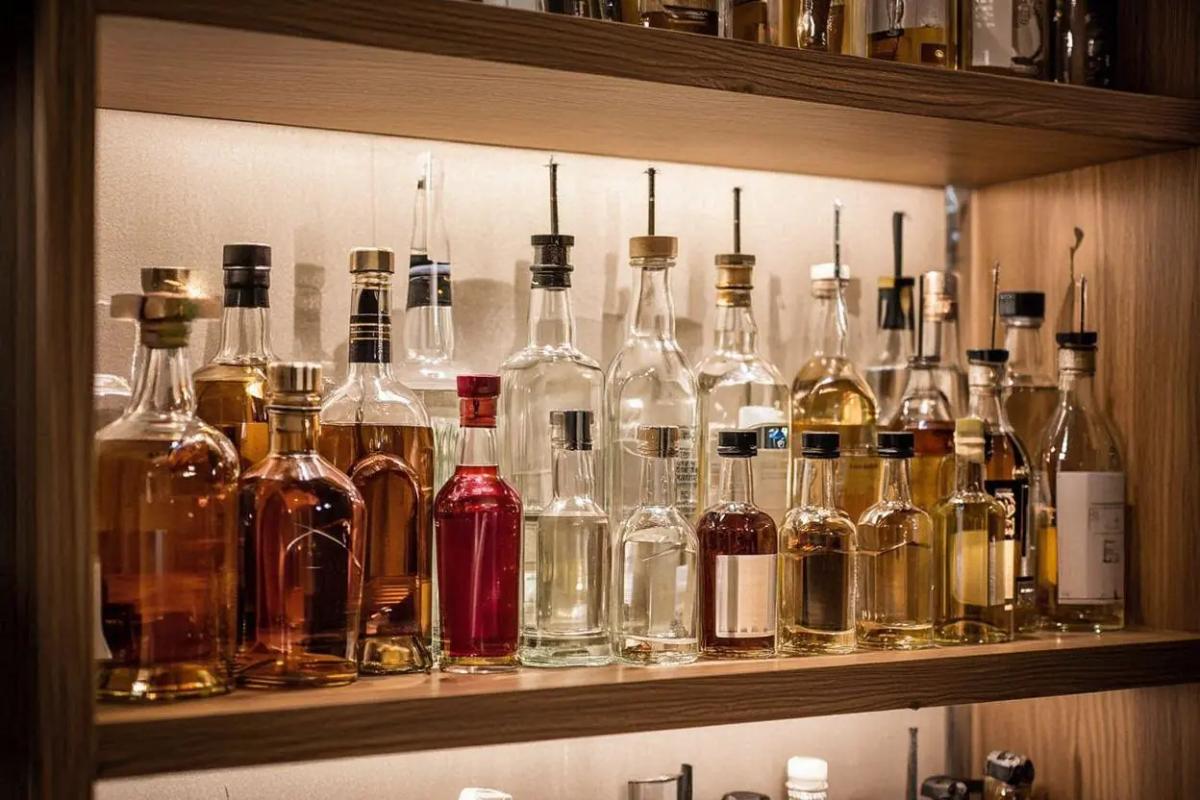
Six bottles form the foundation of any capable home bar. With these spirits, you can make hundreds of classic cocktails and most modern ones too. Start here before branching out.
These aren't necessarily the most exciting bottles, but they're the most useful. A flashy mezcal collection means nothing if you can't make a Daiquiri, a Margarita, or a Whiskey Sour. Master the foundations first.
The Essential Six
Vodka: The neutral base spirit. Enables Martinis, Moscow Mules, Cosmopolitans, and countless modern cocktails. Choose a clean, quality vodka without flavour gimmicks. Mid-range options around £20-25 perform identically to expensive brands in mixed drinks.
Gin: London Dry style provides the most versatility. Enables Martinis, Negronis, Gin and Tonics, Tom Collins, and dozens more. A quality London Dry around £25-30 covers most needs.
White Rum: Essential for Daiquiris, Mojitos, and tropical drinks. Look for Cuban-style or Puerto Rican-style rums with clean, slightly sweet character. Budget options around £18-22 work well.
Bourbon or Rye: American whiskey enables Old Fashioneds, Whiskey Sours, Manhattans, and countless variations. Bourbon offers sweeter, rounder flavours; rye provides spicier character. Either works for starting out. Spend £25-35 for quality that rewards sipping and mixing.
Tequila: Blanco (unaged) tequila enables Margaritas, Palomas, and tequila-based drinks. 100% agave is essential; mixto tequilas taste harsh. Budget around £25-30 for quality blanco.
Triple Sec or Cointreau: Orange liqueur appears in Margaritas, Cosmopolitans, Sidecars, and many classics. Cointreau costs more but performs better. Budget triple sec works in a pinch but tastes noticeably inferior.
What You Can Make
With just these six bottles plus fresh citrus and simple syrup, you can make:
Vodka: Martini (with vermouth), Moscow Mule (with ginger beer), Cosmopolitan, Vodka Sour, Cape Codder, Screwdriver
Gin: Gin and Tonic, Martini, Tom Collins, Gimlet, Gin Fizz, Bee's Knees
White Rum: Daiquiri, Mojito, Cuba Libre, Rum Sour, Hemingway Daiquiri
Bourbon/Rye: Old Fashioned, Whiskey Sour, Manhattan (with vermouth), Boulevardier (with vermouth and Campari), Mint Julep
Tequila: Margarita, Paloma, Tequila Sunrise, Ranch Water, Batanga
This foundation covers most requests at any gathering and provides enough variety for months of exploration.
The Second Tier
Once your foundation is solid, these bottles dramatically expand your cocktail range. Add them based on your preferences rather than all at once.
Vermouths
Dry vermouth transforms your gin into proper Martinis. Sweet vermouth enables Manhattans, Negronis, and Rob Roys. These fortified wines are essential for classic cocktail making.
Buy both types but in small bottles if possible. Vermouth spoils after opening, lasting roughly four to six weeks refrigerated. Large bottles often go to waste in home bars with occasional use.
Quality matters here. Cheap vermouth tastes harsh and spoils faster. Dolin, Cocchi, and Carpano offer excellent options across both styles.
Campari
This bitter Italian aperitivo anchors the entire bitter cocktail category. Negronis, Boulevardiers, Americanos, and Campari Spritzes all require it. Nothing else tastes quite like Campari; substitutes always disappoint.
One bottle lasts ages since Campari measures are typically small (25-30ml per drink). The bitterness may require adjustment if you're new to it, but persist.
Dark or Aged Rum
Adding aged rum to your white rum enables Rum Mules, rum Old Fashioneds, and adds depth to tropical drinks that call for blended rums. The molasses richness and oak character differ significantly from white rum.
Look for quality aged rum in the £25-45 range. Avoid artificially coloured or heavily sweetened rums that dominate budget shelves. Real aged rum comes from time in barrels, not added sugar and caramel colouring.
Expanding Strategically
Beyond the essentials, expansion should follow your actual drinking habits. There's no point owning bottles you never open.
Follow Your Interests
If you love Whiskey Sours, explore different bourbons and ryes before buying mezcal. If Negronis excite you, investigate different gins and vermouths before adding rum varieties. Depth beats breadth for genuine enjoyment.
Notice what you reach for repeatedly. That category deserves expansion. Notice what gathers dust. Stop buying similar bottles. Your collection should reflect your actual preferences, not theoretical completeness.
Specialty Spirits Worth Adding
Scotch whisky opens different flavour profiles than bourbon. Peated Islay malts add smoke; Speyside malts offer fruit and honey. Add based on interest rather than obligation.
Mezcal provides smoky complexity different from any other spirit. It transforms Margaritas and creates unique cocktails. Quality matters enormously; budget mezcal tastes harsh and chemical.
Cognac or brandy enables Sidecars, Brandy Alexanders, and French-influenced classics. A decent VS or VSOP cognac around £30-40 covers most cocktail needs.
Absinthe appears in small quantities across many classics. One bottle lasts years since recipes typically call for rinses or dashes rather than full measures.
Amari (Italian bitter liqueurs) offer endless exploration. Start with Aperol (lighter, sweeter) or Montenegro (balanced, approachable) before exploring more challenging options like Fernet-Branca.
Budget Allocation
Strategic spending maximises your collection's capability. Understanding where to invest and where to economise stretches budgets further.
Where to Spend More
Spirits you drink neat or with minimal mixing deserve quality investment. A bourbon you sip while cooking should taste good on its own. A gin for Martinis (which hide nothing) needs to shine.
Tequila quality correlates strongly with price at lower ranges. The difference between £20 and £30 tequila is dramatic. Always buy 100% agave regardless of budget constraints.
Vermouth quality affects every drink it touches. Cheap vermouth ruins otherwise good Martinis and Manhattans. Spend the extra few pounds for proper brands.
Where to Economise
Vodka in heavily mixed drinks (Moscow Mules, fruit-heavy cocktails) doesn't require expensive brands. A clean mid-range vodka around £20 performs identically to luxury options once ginger beer or cranberry juice enters the glass.
White rum for Mojitos and Cuba Libres works fine at budget levels. The lime, sugar, and mint dominate; subtle rum character disappears anyway.
Triple sec versus Cointreau matters less in frozen Margaritas than in refined cocktails. Save the Cointreau for drinks where orange liqueur features prominently.
Bulk purchases of frequently used spirits often offer savings. If you know you'll use a litre of gin over the next few months, larger bottles reduce per-measure cost.
When to Upgrade
Upgrading existing categories often delivers more satisfaction than adding new ones. Knowing when and how to upgrade prevents both premature spending and stagnation.
Signs You're Ready to Upgrade
You've made the same cocktail dozens of times and understand its nuances. Upgrading the base spirit now reveals differences your palate can appreciate. A beginner won't notice expensive gin in their first Negroni; someone who's made fifty will.
You're curious about specific flavour profiles. Reading about bourbon mash bills or gin botanicals and wanting to taste the differences indicates readiness for exploration.
Your current bottle runs out. Replacement time offers natural upgrade opportunities. Trying something slightly better than your usual costs nothing extra versus simply repurchasing.
Upgrade Paths by Spirit
Vodka: Honestly, diminishing returns hit early. Moving from budget to mid-range matters; moving from mid-range to premium rarely justifies the cost for mixed drinks.
Gin: Explore different botanical profiles. Navy strength gins offer intensity; contemporary gins emphasise citrus or floral notes; Old Tom provides sweetness. Each suits different cocktails.
Rum: Explore aged expressions, different origins (Jamaican funk versus Cuban smoothness versus Barbadian balance), and higher-proof options for tiki drinks.
Bourbon: Higher proof (barrel proof or bottled in bond) often offers better value than age statements. Explore different mash bills (high-rye bourbon, wheated bourbon) for variety.
Tequila: Move from blanco to reposado for sipping and spirit-forward cocktails. Explore highland versus lowland agave for terroir differences.
Avoiding Common Mistakes
Building a collection involves inevitable missteps. Learning from others' mistakes accelerates your progress and protects your budget.
Bottles That Gather Dust
Flavoured spirits rarely justify their shelf space. Vanilla vodka, cherry whiskey, and similar products offer limited cocktail use and encourage artificial-tasting drinks. Buy quality base spirits and add real flavours yourself.
Cream liqueurs spoil faster than you'd think and only appear in a handful of drinks. Buy small bottles when needed rather than stocking permanently.
Obscure liqueurs required for single recipes often disappear after making that drink twice. Before buying, ensure multiple uses exist in cocktails you'll actually make.
Limited editions and collector bottles belong in collections, not working bars. Impressive bottles you're afraid to open serve no practical purpose. Buy spirits to drink.
Storage and Care
Spirits (excluding vermouth and cream liqueurs) last indefinitely if stored properly. Keep bottles upright, away from direct sunlight, and at stable room temperature. No refrigeration needed for base spirits.
Vermouth must be refrigerated after opening and used within four to six weeks. Treat it like wine, not spirits. Many spoiled Martinis result from oxidised vermouth sitting in cupboards for months.
Record what you have. Duplicate purchases waste money and space. A simple list prevents buying that third bottle of Angostura bitters because you forgot you had two already.
Finish bottles before buying replacements. The discipline of emptying what you own before adding more prevents collection bloat and ensures nothing expires unused.
Spirit Collection Building Priority
Essential
Essential
Essential
Essential
Essential
Second Tier
Second Tier
| Priority | Spirit | Budget | Quality Spend | Cocktails Enabled |
|---|---|---|---|---|
| Essential | Vodka | £18-22 | £23-28 | Martini, Moscow Mule, Cosmopolitan |
| Essential | Gin | £20-25 | £28-35 | G&T, Negroni, Tom Collins, Martini |
| Essential | White Rum | £18-22 | £23-28 | Daiquiri, Mojito, Cuba Libre |
| Essential | Bourbon/Rye | £22-28 | £30-40 | Old Fashioned, Whiskey Sour, Manhattan |
| Essential | Blanco Tequila | £25-30 | £32-40 | Margarita, Paloma, Ranch Water |
| Second Tier | Vermouths | £10-15 each | £15-20 each | Martini, Manhattan, Negroni |
| Second Tier | Campari | £20-22 | N/A | Negroni, Boulevardier, Americano |