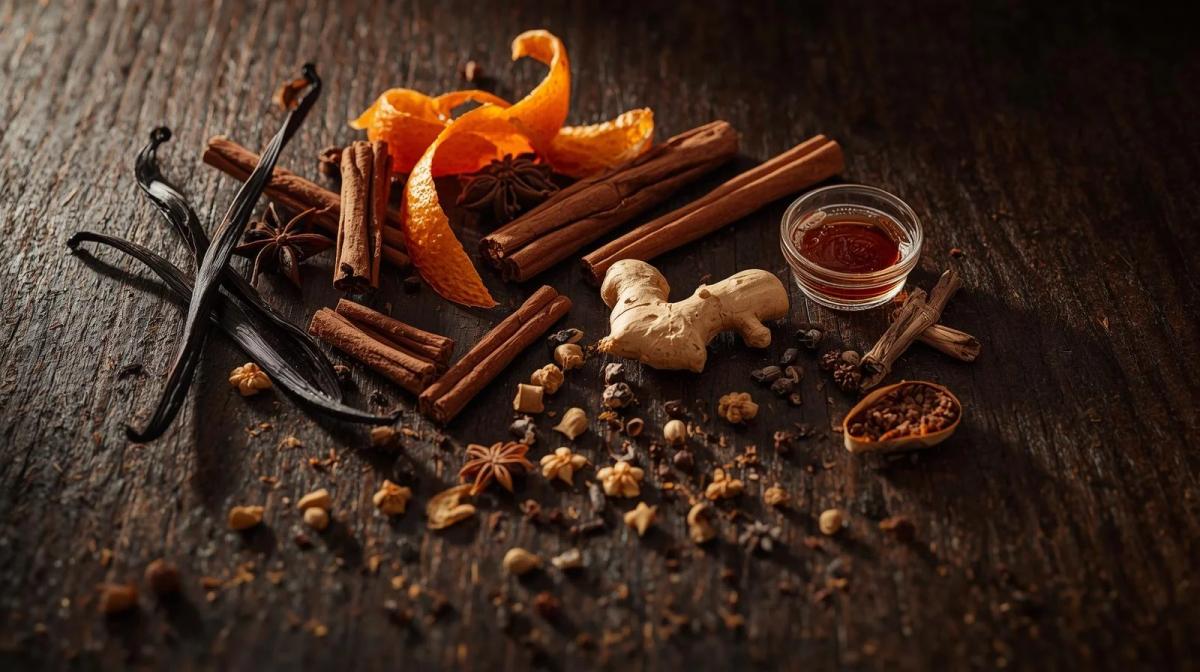
How Botanicals Shape Spiced Rum
Botanical selection is the single biggest differentiator among spiced rums. Not the base spirit, not the bottle design, not the marketing — the actual ingredients. Two producers can start with identical Caribbean rum, add different botanicals in different proportions, and produce spirits that taste nothing alike. Understanding what goes into spiced rum helps you taste more critically, choose more confidently, and appreciate why some bottles cost more than others. It also explains why transparency matters: without knowing the ingredients, you're trusting a label rather than making an informed choice.
The Quality Gap
The gap between craft and mass-market spiced rum often comes down to ingredients. Some producers use whole spices macerated directly in rum. Others use flavouring extracts or concentrates. The difference is similar to cooking with fresh herbs versus dried — both technically work, but the results are distinct. Mass-market spiced rums frequently rely on vanillin (synthetic or wood-derived), caramel colouring, and concentrated flavourings because they're consistent and cheap. Craft producers typically use actual botanicals — real vanilla pods, bark cinnamon, whole spices- because the complexity these provide is impossible to replicate synthetically. A single Madagascan vanilla pod contains hundreds of flavour compounds beyond vanillin. An extract captures some. Synthetic vanillin captures one. This doesn't make mass-market rum inherently bad. It makes it simpler. Whether that matters depends on how you drink it and what you expect from the experience.
How Spice Blends Work
A well-constructed botanical blend isn't simply a list of ingredients thrown together. Each botanical occupies a role: some provide sweetness, some warmth, some brightness, some depth. The art lies in proportion and interaction. Think of it in layers. Lead botanicals — typically vanilla and cinnamon — establish the primary flavour identity. Supporting botanicals — ginger, allspice, cloves — add warmth and complexity without competing for attention. Accent botanicals, citrus peel, and particular bark spices provide brightness or contrast that prevents the blend from becoming one-dimensional. Then there's the structural layer: sweetening agents and oak influence that tie everything together, providing body and finish. No single ingredient should dominate a balanced blend. You should taste a coherent whole, not a checklist of individual spices.
Madagascan Vanilla Pods
Vanilla is the most recognisable flavour in spiced rum and the one most often faked. It's the lead botanical in Expedition Spiced Rum — the first thing you smell when you nose the glass, and the flavour that anchors everything else. Getting vanilla right means getting the rum right. Madagascar produces roughly 80 per cent of the world's vanilla. The variety grown there, Bourbon vanilla, named after the old French colonial name for Réunion (Île Bourbon), nothing to do with bourbon whiskey, is prized for its rich, creamy sweetness with subtle smoky and woody undertones.
Why Madagascar
The Sava region of north-eastern Madagascar produces vanilla with a depth and complexity that other origins struggle to match. Volcanic soil, tropical humidity, and generations of accumulated farming knowledge create pods with rich vanillin content alongside hundreds of secondary flavour compounds. These woody, fruity, floral, and faintly smoky notes give Madagascan vanilla its distinctive character. Madagascan vanilla is labour-intensive. Each orchid flower must be hand-pollinated within a twelve-hour window. After harvest, green pods undergo months of curing, blanching in hot water, sweating in the sun, slow drying, and then weeks of conditioning in sealed boxes. This painstaking process is why real vanilla pods are among the most expensive spices in the world, and why many rum producers avoid them entirely. Other origins produce excellent vanilla: Tahitian vanilla is floral and fruity, Mexican vanilla is spicy and bold, Ugandan vanilla is particularly rich in vanillin. We chose Madagascan for its balance: sweet without being simple, complex without being distracting, and with enough aromatic intensity to lead a blend of eight other botanicals.
Pods vs Extract vs Vanillin
Three forms of vanilla appear in spirits production, and the difference matters considerably. Whole vanilla pods contain the full spectrum of flavour compounds — not just vanillin (the primary flavour molecule) but hundreds of secondary compounds that contribute smoky, woody, fruity, and floral notes. Steeping split pods in rum extracts this entire spectrum over time. The result is a vanilla character that's rich, layered, and impossible to mistake for artificial flavouring. Macerating pods in alcohol make vanilla extract. It captures much of the pod's character but in a more concentrated, less nuanced form. Some craft producers use extracts alongside whole pods to maintain consistency. Vanillin is the single compound responsible for vanilla's primary flavour. It can be synthesised from wood pulp, petroleum derivatives, or extracted from clove oil. Synthetic vanillin tastes recognisably of vanilla, clean, sweet, one-dimensional, but without the depth that real pods provide. Most mass-market spiced rums use vanillin because it's consistent and costs a fraction of the price of real vanilla. We use whole Madagascan vanilla pods. The difference is apparent on the nose: our vanilla note is layered and creamy rather than flat and sweet.
The Warming Spices
Five botanicals provide the warming character that defines Expedition Spiced Rum's mid-palate and finish. Each contributes a different kind of warmth — the delicate aromatics of Ceylon cinnamon, the bold familiarity of cassia, the bright bite of ginger, the quiet complexity of allspice, and the intense depth of cloves. Together, they create a spice profile that evolves with every sip rather than hitting one note and staying there.
Ceylon Cinnamon and Cassia Bark
Using both Ceylon cinnamon and cassia bark is deliberate, not redundant. They're different species with distinct flavour profiles that complement each other. Ceylon cinnamon (Cinnamomum verum, literally "true cinnamon") comes from Sri Lanka. It's pale, delicately layered, and you can see the multiple thin bark rolls when you look at a quill. It tastes subtly sweet, with citrus and floral notes. It's considerably more expensive than cassia and what most spice enthusiasts consider the finer product. Cassia bark (Cinnamomum cassia) grows primarily in China, Indonesia, and Vietnam. It's the darker, thicker, single-rolled bark that most British consumers recognise as "cinnamon." Its flavour is bolder, sweeter, and more assertive, the unmistakable warming spice of baked goods, mulled wine, and childhood baking. In Expedition Spiced Rum, Ceylon provides the delicate, aromatic top notes — a subtle, almost floral cinnamon character — while cassia delivers the bold, comforting warmth underneath. Together, they create a cinnamon complexity more layered than either could achieve alone. Most spiced rums use one or the other. Using both costs more and complicates the blend, but the resulting depth justifies the approach.
Ginger
Ginger (Zingiber officinale) provides a different kind of warmth than cinnamon. Where cinnamon warms gradually, ginger arrives with brightness and a clean, peppery bite that cuts through sweetness and prevents the palate from becoming fatigued. In spiced rum, ginger occupies the mid-palate. It develops after the initial vanilla sweetness and before the longer finish. This positioning creates movement in the tasting experience — without ginger, many spiced rums taste static, pleasant but unchanging from first sip to last. Ginger introduces dynamism. Dried ginger behaves differently from fresh. Drying converts gingerols (the compounds responsible for fresh ginger's sharp bite) into shogaols, which produce a warmer, deeper, more pungent character. This is why ground ginger tastes different from fresh, and why the dried form is generally preferred in spirits production; its warmth integrates more smoothly with other botanicals. Ginger also explains why Expedition Spiced Rum works so well with ginger beer as a mixer. The ginger in the rum resonates with the ginger in the mixer, amplifying and extending the warmth rather than creating a clash.
Allspice and Cloves
Allspice and cloves play supporting roles, essential for depth but carefully proportioned so they enhance rather than overwhelm. Allspice (Pimenta dioica) is a single berry that tastes like cinnamon, nutmeg, and cloves combined, hence the name, given by English explorers who couldn't identify just one flavour. Native to the Caribbean and Central America, it's a natural companion for rum. Jamaican allspice, grown in the Blue Mountains, is considered the finest. In the blend, allspice provides warm complexity without adding heat. It reinforces the cinnamon notes while contributing earthy, subtly peppery undertones that anchor everything else. Used in moderation, it's barely identifiable as a distinct flavour — but noticeably absent if removed. Cloves (Syzygium aromaticum) are dried flower buds from an evergreen tree native to the Maluku Islands of Indonesia. They're extraordinarily potent — a little clove goes a very long way. The dominant compound, eugenol, provides a distinctive warm, slightly numbing sensation familiar from mulled wine and certain dental preparations. In spiced rum, cloves add background depth and aromatic intensity. They contribute to the "spice complexity" that drinkers sense but cannot pinpoint. Overused, cloves dominate everything, imparting a medicinal quality. Properly proportioned, they round out the warming spice profile and add length to the finish. Getting the balance right is one of the more exacting parts of building a spice blend.
Citrus, Sweetness, and Oak
The remaining ingredients in Expedition Spiced Rum serve distinct structural roles. Orange peel lifts the blend and prevents heaviness. Agave syrup smooths the spirit's entry. Glucose syrup adds body and mouthfeel. Bourbon barrel chips provide the oak backbone that ties everything together. None of these is a "spice" in the traditional sense, but each is essential to the finished rum's character.
Orange Peel
Orange peel provides the brightness that prevents spiced rum from becoming heavy or one-dimensional. The essential oils in citrus zest — primarily limonene and linalool — add a fresh, aromatic quality that lifts the heavier spice notes and creates contrast. In spirits production, dried orange peel is more common than fresh. Drying concentrates the essential oils while removing water that would dilute the spirit. The process also develops subtle bittersweet notes from the pith that complement rum's natural sweetness. Orange peel's role in Expedition Spiced Rum is most evident on the nose and mid-palate, where it provides a bright, citrusy edge that balances the vanilla and cinnamon. It's the ingredient that makes the difference between a spiced rum that tastes heavy and one that tastes vibrant — an unsung component that works best when you don't consciously notice it. Citrus has a long history in rum. Caribbean sailors added citrus to their rations, and punch — arguably the world's first cocktail — combined rum, citrus, sugar, spice, and water centuries before anyone coined the word "cocktail." Orange peel in spiced rum honours that tradition while serving a genuine flavour function.
Agave Syrup and Glucose Syrup
Sweetness in spiced rum is a contentious topic. Some producers add substantial amounts of refined sugar — occasionally as much as 40 to 50 grams per litre — to smooth rough spirit and broaden commercial appeal. Others add nothing, letting the base rum and spices speak for themselves. Neither extreme is inherently right, but transparency about the approach matters. We use two natural syrups, each serving a different purpose. Agave syrup — from the same plant family as tequila — provides a clean, rounded sweetness that integrates smoothly with the botanical character rather than sitting on top of it. Its flavour profile is slightly honeyed and less cloying than refined cane sugar, which means it complements the vanilla and spice rather than masking them. The quantity is deliberately restrained: enough to smooth the spirit's entry and support the vanilla, not enough to make the rum taste primarily sweet. Glucose syrup serves a different role entirely. Rather than adding perceived sweetness, glucose contributes body and mouthfeel — that silky, weighted texture on the palate that distinguishes a well-structured spirit from a thin one. It rounds out the rum's texture without altering the flavour balance, giving the botanicals a fuller canvas to express themselves on. Think of it as the difference between a watercolour wash and oil paint — same colours, different weight and presence. Together, agave and glucose create a rum that feels substantial and smooth on the palate while finishing dry rather than syrupy. That dry finish is a deliberate choice: it makes Expedition Spiced Rum more versatile in cocktails and more rewarding to sip neat.
Bourbon Barrel Chips
Oak marks the point where the final layer of complexity enters. Bourbon barrel chips — American white oak (Quercus alba) that has previously held bourbon whiskey — contribute vanilla (from the breakdown of lignin in oak), caramel and toffee notes (from the barrel's char layer), and tannins that provide structure and a clean, dry finish. The "bourbon barrel" part is significant. American regulations require bourbon to be aged in new, charred oak barrels, ensuring a constant supply of once-used barrels with rich residual character. These barrels have given up their harshest tannins to the bourbon but retain substantial flavour compounds — vanilla, coconut, butterscotch, and toasted grain notes. We use chips rather than ageing in full barrels. This is a deliberate production choice, not a shortcut. Chips have a high surface-area-to-volume ratio, which makes flavour extraction efficient and controllable. Full-barrel ageing develops deeper integration over the years, but it also introduces more aggressive tannins that can overwhelm a carefully constructed botanical blend. Chips allow us to dial in the precise amount of oak influence — enough structure and warmth to build the rum's backbone, without burying the botanicals that define it. The result is the dry, warming finish that distinguishes Expedition Spiced Rum. Those oak tannins linger alongside vanilla and winter spice, providing a clean ending rather than a sweet one.
From Botanical to Bottle
Knowing what goes into a spiced rum is only half the story. How the botanicals are prepared, extracted, and combined determines whether the finished spirit does justice to its ingredients. Expensive vanilla and premium cinnamon mean nothing if the extraction process is careless.
Preparing the Botanicals
Each botanical requires specific preparation before it meets the rum. Vanilla pods are split lengthways to expose the seed cavity, where much of the flavour resides in the thousands of tiny seeds and the oily pulp that surrounds them. Bark spices — cinnamon and cassia — are broken into smaller pieces to increase surface area for extraction. Whole spices like allspice berries and cloves are lightly crushed but not powdered, as fine powder creates cloudiness in the spirit and produces harsh, over-extracted flavours. Preparation matters because different botanical structures release flavour at different rates. Vanilla pods take longer to fully express their character than cloves, which surrender their intensity within hours. Ginger behaves differently from orange peel. Understanding these extraction rates is essential for producing a balanced rum rather than one dominated by whichever spice extracts fastest.
Maceration and Blending
Maceration — steeping botanicals directly in spirit — is the traditional extraction method and the one that produces the most authentic, full-spectrum flavour. The rum acts as a solvent, drawing out essential oils, flavour compounds, and natural colour from the botanicals over time. Different producers handle maceration differently. Some steep all botanicals together in a single batch. Others macerate individual spices separately and blend the resulting tinctures afterwards. Separate maceration allows precise control over each botanical's contribution — more vanilla, less clove, adjusted ginger — but requires more time, more spirit, more vessels, and considerably more labour. The blending stage is where the rum's final character takes shape. Small adjustments in proportion create meaningful differences in the finished spirit. This is craft in the most literal sense: skilled, iterative, refined through repeated tasting rather than formula alone. The recipe may be written down, but the execution requires judgement that no formula can fully capture.
What You Won't Find in the Bottle
Transparency works both ways. Listing what goes in is straightforward. Being honest about what stays out is equally important. Expedition Spiced Rum contains no artificial sweeteners, no synthetic flavourings, no artificial colours, and no additives. The colour comes from the botanicals and bourbon barrel oak. The sweetness comes from agave, not from high-fructose syrups or undisclosed sugar additions. The flavour comes from real botanicals steeped in real rum. This matters because "natural flavourings" on a label can mean many things. Regulations allow the term to cover a wide range of processes, from genuine whole-spice maceration to enzymatic extraction of isolated flavour compounds from natural sources. Not all natural flavourings are equal, and the term alone doesn't guarantee that whole spices went anywhere near the rum. Our approach is simpler: list every ingredient, source the best botanicals we can find, and let the rum speak for itself. You can see the full ingredient list on our ingredients page — it matches exactly what goes into the bottle, because there's nothing to hide.
The ten key ingredients in Expedition Spiced Rum: origin, role, and quality indicators
Madagascan Vanilla Pods
Ceylon Cinnamon
Cassia Bark
Ginger
Allspice
Cloves
Orange Peel
Agave Syrup
Glucose Syrup
Bourbon Barrel Chips
| Ingredient | Origin | Role in Blend | Quality Indicator |
|---|---|---|---|
| Madagascan Vanilla Pods | Madagascar (Sava region) | Lead sweetness, creamy depth, aromatic anchor | Whole pods, not extract or synthetic vanillin |
| Ceylon Cinnamon | Sri Lanka | Delicate warmth, floral and citrus top notes | True cinnamon (verum), pale, multi-layered bark |
| Cassia Bark | China / Southeast Asia | Bold familiar cinnamon warmth | Thick single-roll bark, strong sweet aroma |
| Ginger | Tropical regions | Bright heat, mid-palate dynamism | Warm pungency without sharpness |
| Allspice | Caribbean / Central America | Warm complexity, reinforces other spices | Whole berries, aromatic when crushed |
| Cloves | Indonesia (Maluku Islands) | Background depth, aromatic intensity | Whole buds, oily when pressed |
| Orange Peel | Mediterranean / tropical | Citrus brightness, lifts heavier spices | Dried peel with concentrated essential oils |
| Agave Syrup | Mexico | Clean natural sweetness, smooth entry | Pure agave, not blended with other syrups |
| Glucose Syrup | Various | Body and mouthfeel, silky texture | Clean glucose, no artificial additives |
| Bourbon Barrel Chips | United States | Oak structure, vanilla, dry finish | Ex-bourbon American white oak, charred |
Featured UK Distilleries
Spirit of Wales Distillery
Newport, South Wales
Copper-lined still distillation, Welsh craft spiritsSpirit of Wales Distillery produces Expedition Spiced Rum using innovative copper-lined stills with multiple vapour chambers. The extended copper contact keeps spirit in vapour form longer, building complex esters and flavours while creating an exceptionally smooth finish. Their Newport facility combines traditional craft with modern precision, and pure Welsh water is used throughout the production process.
Visit WebsiteFrequently Asked Questions
Why does the origin of spices matter in spiced rum?
Origin affects flavour significantly. Madagascan vanilla has a richer, more complex profile than synthetic vanillin. Ceylon cinnamon from Sri Lanka tastes more delicate and aromatic than common cassia. Just as wine reflects its terroir, spices carry the character of the soil, climate, and farming practices where they were grown. Using quality-origin botanicals costs more but creates measurably more complex rum.
What is the difference between Ceylon cinnamon and cassia?
Ceylon cinnamon (Cinnamomum verum) comes from Sri Lanka and has a delicate, subtly sweet flavour with citrus and floral notes. It has multiple thin bark layers and a pale colour. Cassia (Cinnamomum cassia) is the bolder, darker, single-rolled bark that most people recognise as cinnamon. They are different species. Using both creates a more layered cinnamon character than either achieves alone.
Why use agave syrup instead of sugar in spiced rum?
Agave provides a clean, rounded sweetness that integrates with the botanical character rather than sitting on top of it. Its flavour profile is slightly honeyed and less cloying than refined cane sugar. We use it in measured amounts to smooth the spirit and support the vanilla, while keeping the finish dry rather than syrupy.
Can you taste every individual spice in spiced rum?
Not separately, and that's the point. A well-blended spiced rum should taste like more than the sum of its parts. Individual botanicals create recognisable sensations — vanilla's creaminess, ginger's warmth, citrus brightness — but in a balanced blend they merge into a coherent flavour profile rather than competing for attention. If one spice dominates, the blend needs work.
What do bourbon barrel chips add to spiced rum?
Bourbon barrel chips contribute vanilla, caramel, and toffee notes from charred American white oak, along with tannins that provide structure and a clean, dry finish. The oak acts as a backbone for the botanical flavours, tying the blend together and adding the warming, woody character you taste on the finish.
