Cutting Board
A bar cutting board is a small board, around 25 to 30cm by 15 to 20cm and 1.5 to 2cm thick by our guidance, kept for citrus and garnish. It gives a steady, clean surface for wedges, wheels and twists beside where the drinks are made. Keep it apart from boards used for raw meat and fish, because a garnish goes into the glass uncooked.
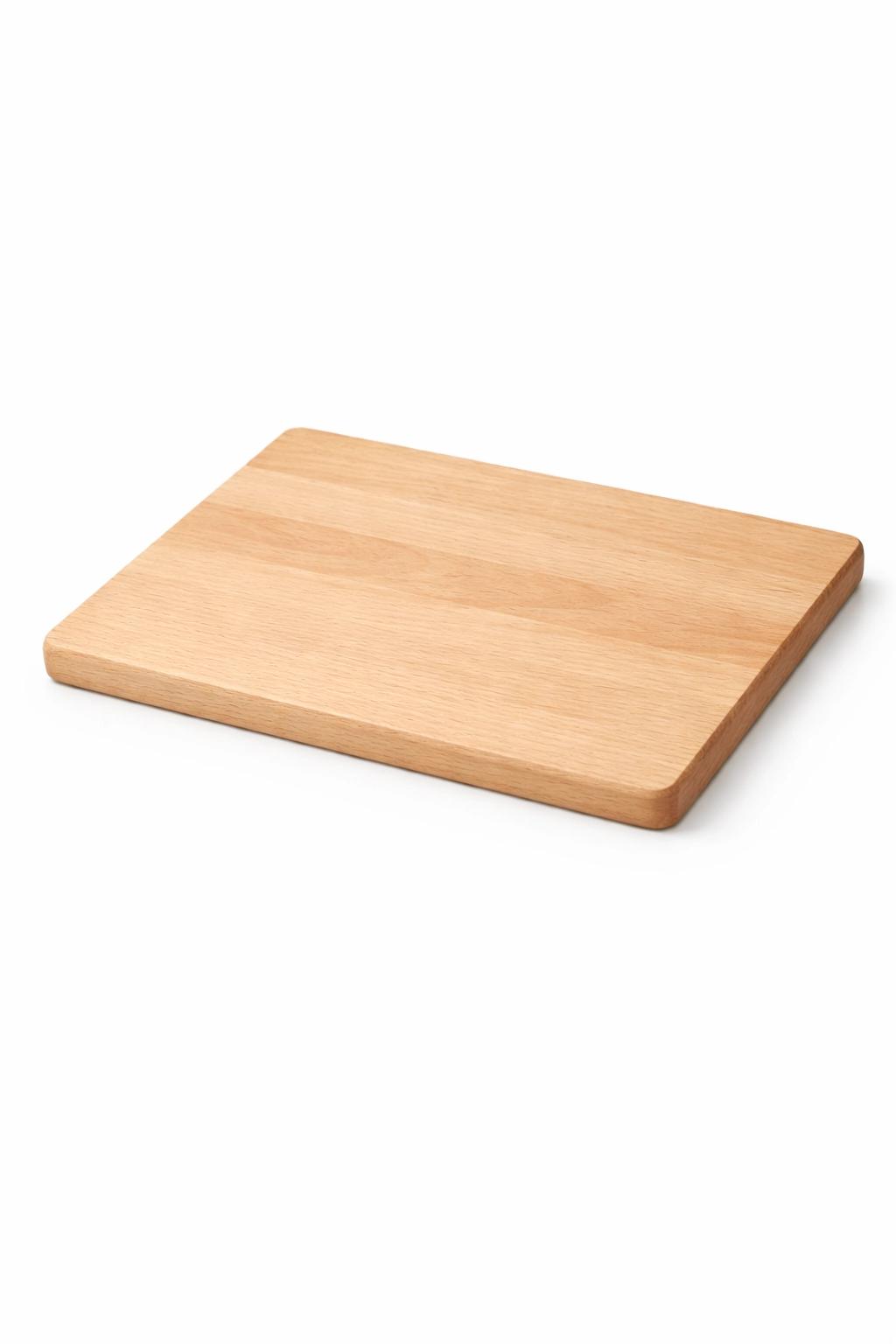
About the Cutting Board
Small Enough to Stay on the Bar
A board around 30 by 20cm holds a lime, a knife and the wedges you cut from it. A bigger board crowds the space you need for glasses and the shaker.
Thickness keeps it steady. Around 1.5 to 2cm is stiff enough not to flex under the knife and light enough to carry to the sink.
One Board, for Garnish Only
A wedge of lime or a strip of peel goes into the drink as it is, with no cooking to kill anything on it. In food hygiene terms it is ready-to-eat food.
So the garnish board never meets raw meat, fish or poultry. The UK Food Standards Agency advises separate boards for raw and ready-to-eat food, and a bar follows the same logic.
It keeps flavours apart too. Onion or garlic juice left on a board turns up in the next lemon you cut, and in a Tom Collins there is nowhere for it to hide.
Wood and Plastic Both Work for Fruit
Plastic goes in the dishwasher. Hardwood needs washing by hand but resists the deep cuts that build up in plastic over time.
Wood or plastic for a bar board
Dishwasher
- Hardwood
- No; wash by hand
- Plastic
- Yes
Knife marks
- Hardwood
- Resists deep scoring
- Plastic
- Scores with use
Care
- Hardwood
- Oil now and then; dry on its edge
- Plastic
- Replace once deeply scored
Weight
- Hardwood
- Heavier and steadier
- Plastic
- Lighter and easier to carry
Hygiene
- Hardwood
- Sound if washed and dried after use
- Plastic
- Sound if washed; deep cuts hold dirt
| Feature | Hardwood | Plastic |
|---|---|---|
| Dishwasher | No; wash by hand | Yes |
| Knife marks | Resists deep scoring | Scores with use |
| Care | Oil now and then; dry on its edge | Replace once deeply scored |
| Weight | Heavier and steadier | Lighter and easier to carry |
| Hygiene | Sound if washed and dried after use | Sound if washed; deep cuts hold dirt |
What matters more is the cleaning. Wash it in hot soapy water after each session, rinse it and dry it fully before it goes back on the bar.
Stop It Sliding Before You Cut
A board that slides is how fingers get cut. Lay a damp cloth flat underneath and press the board down so it grips the counter.
Cut with the board flat on a solid surface. Balanced over the edge of a sink or a drip mat, it tips the moment you lean on it.
Using the Cutting Board
Usage
Cutting lime and lemon wedges, wheels and twists, halving citrus for the press, and slicing fruit or cucumber for long drinks. Keep it for fruit and garnish only, apart from boards used for raw meat, fish or strong-smelling food.
Pro Tip
We keep a clean, damp cloth beside the board and wipe it and the knife between fruits. Juice left standing on the surface makes the next cut slip.
Professional Tips
- Lay a damp cloth flat under the board so it cannot slide.
- Wash and dry your hands before you cut garnish.
- Wipe the board and knife between lemons, limes and anything else.
- Stand a wooden board on its edge to dry.
Alternatives
Budget Alternative
A small plastic board kept only for the bar. It is light, goes in the dishwasher, and is cheap to replace once the surface is scored.
Premium Option
A hardwood board in beech or maple, oiled now and then. It resists deep scoring and is gentle on a knife; it needs washing by hand.
Specifications
Material
Hardwood such as beech or maple, or food-safe plastic
Capacity
Around 25 to 30cm by 15 to 20cm, our guidance
Details
About 1.5 to 2cm thick, flat on both faces; fruit needs no juice groove
More to explore
Common Questions
What size cutting board do I need for a bar?
Wood or plastic for cutting citrus?
Do I need a separate board for garnish?
How do you stop a cutting board slipping?
Can a wooden cutting board go in the dishwasher?
How do you clean a board after cutting citrus?
Master the Technique
Made with the Cutting Board
Used In These Cocktails
Related Equipment
Updated 18 October 2026