Chocolate Martini
A Chocolate Martini is 45ml of vodka, 30ml of dark chocolate liqueur or dark crème de cacao and 15ml of single cream, shaken hard with ice for 10 to 12 seconds, double strained into a frozen martini glass and finished with shaved dark chocolate. About 2.3 UK units. It contains cream, so it is not for anyone avoiding milk. Only the glass makes it a martini. The Oxford Companion to Spirits & Cocktails says the drink did not gain momentum until around 1995, at the height of the sweet Martini craze of the 1980s and 1990s. An older story has Elizabeth Taylor and Rock Hudson mixing vodka, Kahlúa and chocolate syrup on the set of Giant in 1955; the Oxford Companion says the claim comes from Taylor’s 1987 diet book Elizabeth Takes Off, with no known corroborating document in the three decades between. Kept to these measures it is a dessert drink with some bitterness in it. The cream rounds the liqueur, and the cold keeps the sugar in check.
Glassware: Martini Glass
Garnish: Dark chocolate, shaved over the surface once the foam from the shake settles
Ingredients
45ml
Unflavoured, at 40% ABV. It carries the strength and keeps the chocolate in charge; a vanilla vodka pushes the drink towards dessert sauce.
30ml
A dark chocolate liqueur or dark crème de cacao; strengths vary by bottle and we work at 17%. Dark rather than a cream liqueur, so the drink tastes of cocoa rather than custard. Some contain milk; check the label.
15ml
Single cream, which is milk, measured rather than poured. Fifteen millilitres rounds the liqueur without thickening the drink; double cream makes it heavy.
Instructions
Chill a martini glass in the freezer.
Add the vodka, chocolate liqueur and cream to a shaker.
Fill with cubed ice and shake hard for 10 to 12 seconds.
Double strain into the frozen glass.
Shave dark chocolate over the surface.
Our version
The Oxford Companion to Spirits & Cocktails notes versions with chocolate liqueur and/or crème de cacao and others with cream liqueurs, so the recipe varies. Ours pours 45ml of vodka, 30ml of dark chocolate liqueur and 15ml of single cream; many American versions leave out the cream.
Source: our own specification. Last checked 9 October 2026.
Expert Tip
Freeze the glass. Chocolate liqueur tastes cloying when warm and clean when very cold, so the glass goes into the freezer before anything else, and the drink is finished within a few minutes of pouring. Shake hard for 10 to 12 seconds. The cream needs the force to take on a little air and bind with the liqueur, and the dilution softens the sugar. Measure the cream. At 15ml it rounds the edges and gives the drink a gloss; at 30ml it becomes a milkshake on a stem. Never add a cream liqueur as well.
Behind the Chocolate Martini
Flavour Profile
Where It Comes From
The most repeated story is set in Marfa, Texas, in 1955, with Elizabeth Taylor and Rock Hudson mixing chocolate syrup into vodka during the filming of Giant, as Elizabeth Taylor’s official site tells it. The Oxford Companion to Spirits & Cocktails has Taylor praising a combination of vodka, Kahlúa and Hershey’s chocolate syrup in her 1987 diet book, Elizabeth Takes Off, and says no corroborating document is known from the three decades between.
What can be dated is the fashion for the name. The Oxford Companion to Spirits & Cocktails places the drink’s momentum around 1995, at the height of the sweet Martini craze of the 1980s and 1990s, and in our view the chocolate version was one of the few of those drinks that stayed on menus.
Why It Lasted
Most of its contemporaries were sweet and nothing else. Dark chocolate brings bitterness with its sugar, and the vodka and the cold keep that bitterness in play, so the drink tastes of cocoa rather than syrup.
The Liqueur Decides It
Everything rests on the bottle doing the chocolate. A dark chocolate liqueur or dark crème de cacao gives the drink cocoa, a little bitterness and room for the vodka.
A cream liqueur doubles the dairy and turns the drink to milkshake. The 15ml of single cream in ours rounds the edges; versions without cream, common in American bars, taste sharper.
The Garnish
Shaved dark chocolate over the surface gives aroma with each sip and leaves nothing to fish out. Syrup drizzled inside the glass and truffles on the rim make it sweeter and add nothing else.
Three Cream Drinks Compared
The Chocolate Martini beside two older cream drinks
Chocolate Martini (ours)
- Spirit
- 45ml vodka
- Liqueur
- 30ml dark chocolate liqueur
- Cream
- 15ml single cream
- UK units
- About 2.3
Brandy Alexander
- Spirit
- 30ml cognac
- Liqueur
- 30ml dark crème de cacao
- Cream
- 30ml cream
- UK units
- About 1.9
Grasshopper
- Spirit
- None
- Liqueur
- 20ml crème de menthe, 20ml white crème de cacao
- Cream
- 20ml cream
- UK units
- Lower; no base spirit
| Drink | Spirit | Liqueur | Cream | UK units |
|---|---|---|---|---|
| Chocolate Martini (ours) | 45ml vodka | 30ml dark chocolate liqueur | 15ml single cream | About 2.3 |
| Brandy Alexander | 30ml cognac | 30ml dark crème de cacao | 30ml cream | About 1.9 |
| Grasshopper | None | 20ml crème de menthe, 20ml white crème de cacao | 20ml cream | Lower; no base spirit |
How to Serve It
Freezer-cold, after dinner, in the place of a dessert wine, and drunk in the first few minutes before the chill softens and the sugar comes forward. Make it to order; with cream in it, it does not keep.
For cognac, crème de cacao and cream, make a Brandy Alexander; for coffee in place of chocolate, an Espresso Martini.
Make it at home
The Spirit
VodkaVodka is spirit made from a farmed crop, usually grain or potatoes, distilled and refined so that the taste of that crop is deliberately reduced. Under the retained Regulation (EC) 110/2008 its minimum is 37.5% ABV and it may not be given a predominant flavour, which separates it from flavoured vodka and from gin; our recipes count it at 40%. In a mixed drink it adds strength and body while the other ingredients carry the taste.
Master the Techniques
More to explore
Frequently Asked Questions
Did Elizabeth Taylor invent the Chocolate Martini?
Which chocolate liqueur should I use?
Why does mine taste too sweet?
Does a Chocolate Martini contain dairy?
Is a Chocolate Martini really a martini?
How strong is a Chocolate Martini?
Sources.
Correct as of 19 October 2026.
- The Oxford Companion to Spirits and Cocktails (Spirits & Distilling), “The Chocolate Martini” (secondary source: the claim comes from Taylor’s 1987 diet book Elizabeth Takes Off, with no corroborating document from the three decades between; vodka, Kahlúa and Hershey’s chocolate syrup; no momentum until around 1995, at the height of the sweet Martini craze of the 1980s and 1990s).
- Elizabeth Taylor (official site), “Elizabeth Taylor, Rock Hudson and the chocolate martini” (the story as told by Taylor’s official site: vodka martinis and chocolate syrup on the set of Giant in Marfa, Texas, in 1955).
You Might Also Like
Espresso Martini
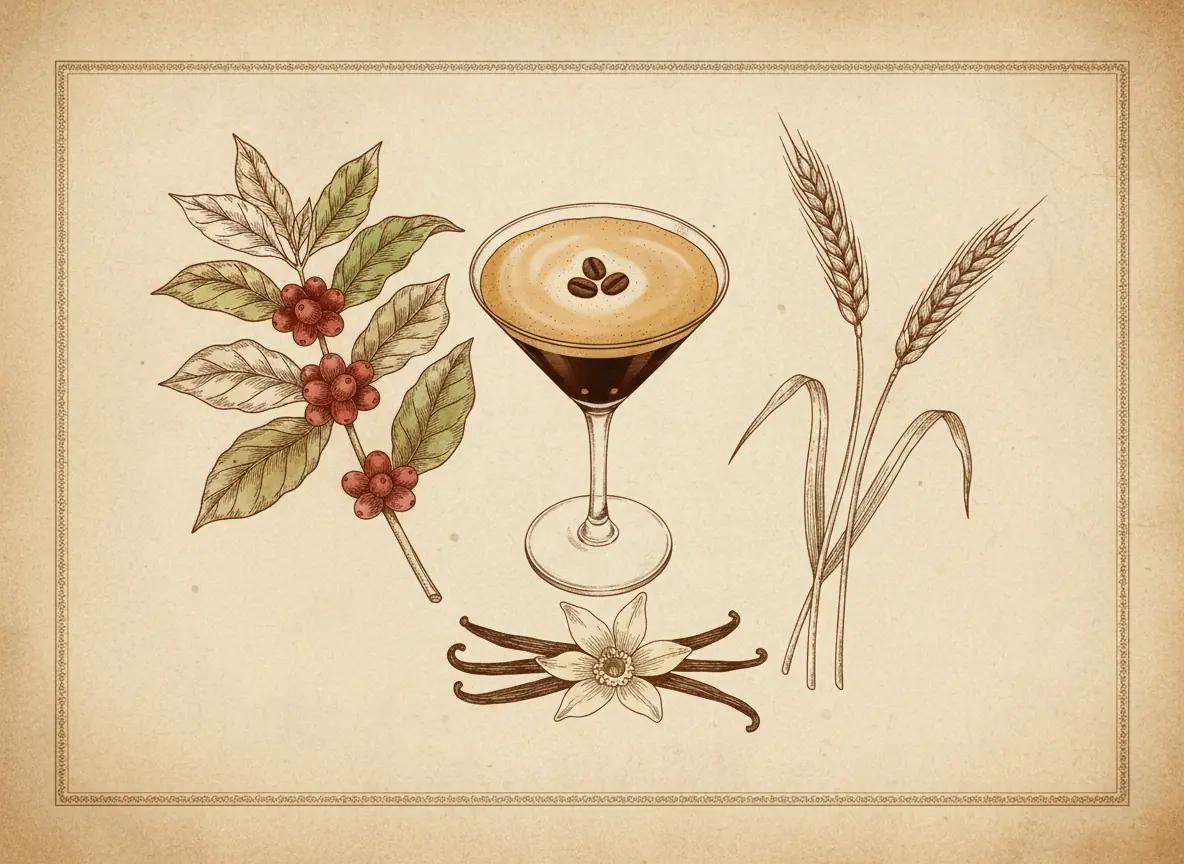
An Espresso Martini is 50ml of vodka, 30ml of Kahlúa, 10ml of sugar syrup and one freshly pulled espresso of about 30ml, shaken hard for 10 to 12 seconds and double strained into a chilled martini glass, with three coffee beans laid on the foam. About 2.5 UK units, and the caffeine of a single shot. The Oxford Companion says Dick Bradsell created it at the Soho Brasserie in London in 1983, for a famous model who asked for a drink to wake her up and then mess her up; he never said who she was. The measures are the IBA’s. Vodka gives strength and cold without flavour, so the coffee leads. The foam comes from the crema of a shot pulled moments before the shake, which is why the espresso goes in last.
Brandy Alexander
A Brandy Alexander is 30ml of cognac, 30ml of dark crème de cacao and 30ml of cold single cream, shaken very hard for 10 to 12 seconds and double strained into a chilled Nick and Nora glass, finished with freshly grated nutmeg. About 1.9 UK units. It contains dairy. The IBA uses exactly these measures. It lists the drink simply as the Alexander and makes it with cognac and brown crème de cacao. The earlier Alexander, still made, uses gin and white crème de cacao. Equal thirds and no acid make it a dessert in a glass. The cacao brings chocolate and a little bitterness, the cognac oak and dried fruit underneath, and the nutmeg is the only thing cutting across the cream. The hard shake matters most: it whips air into the cream, so the drink has texture as well as weight.
Where this one sits
Recipe by Jerry Can Spirits · Updated 19 October 2026