
Collins

13 recipes

This Field Manual holds 13 recipes in the collins family. A collins is a sour lengthened with soda water: spirit, lemon, sugar and bubbles, built tall over ice. It is a Tom Collins whatever the spirit, and the name changes with it.

The soda is what separates it from a fizz, which is shaken and served short. A collins is built in the glass and stays long, so the ice matters more than the shake: fill the glass and the drink stays cold without watering, half-fill it and it is thin by the second mouthful. Lemon is standard, lime makes it sharper, and the sugar comes down as the citrus goes up.

Base Spirit

Difficulty Level
Adios Motherfucker

Adios Motherfucker

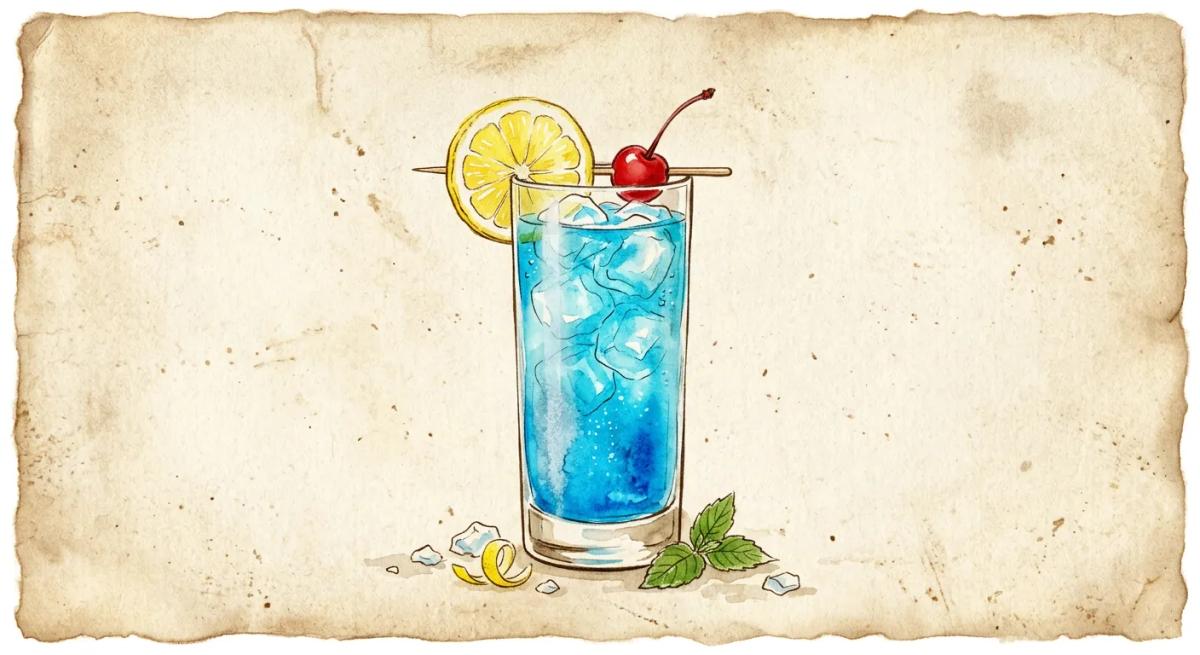
The Adios Motherfucker, known in polite company by its initialism AMF, is a direct structural descendant of the Long Island Iced Tea. Blue curaçao replaces the original's triple sec and cola, turning the drink from amber-brown to the vivid electric blue that makes it one of the most visually distinctive cocktails in the party drink canon. The name is entirely consistent with the character: loud, unapologetic, and considerably stronger than it looks. The structure follows the same five-spirit logic as the Long Island: vodka, gin, white rum, blanco tequila and blue curaçao in equal measure, with fresh lemon juice and a carbonated extender. The failure modes are identical too: generous pours of any single spirit, sour mix in place of fresh lemon juice, and too much lemonade. The AMF rewards honesty about what it is. It is not a stirred classic; it is a high-ABV, visually striking party drink built for long evenings and communal consumption. Within those terms it has a genuine balance that carelessly built versions never show.
Boston Trash Can

Boston Trash Can

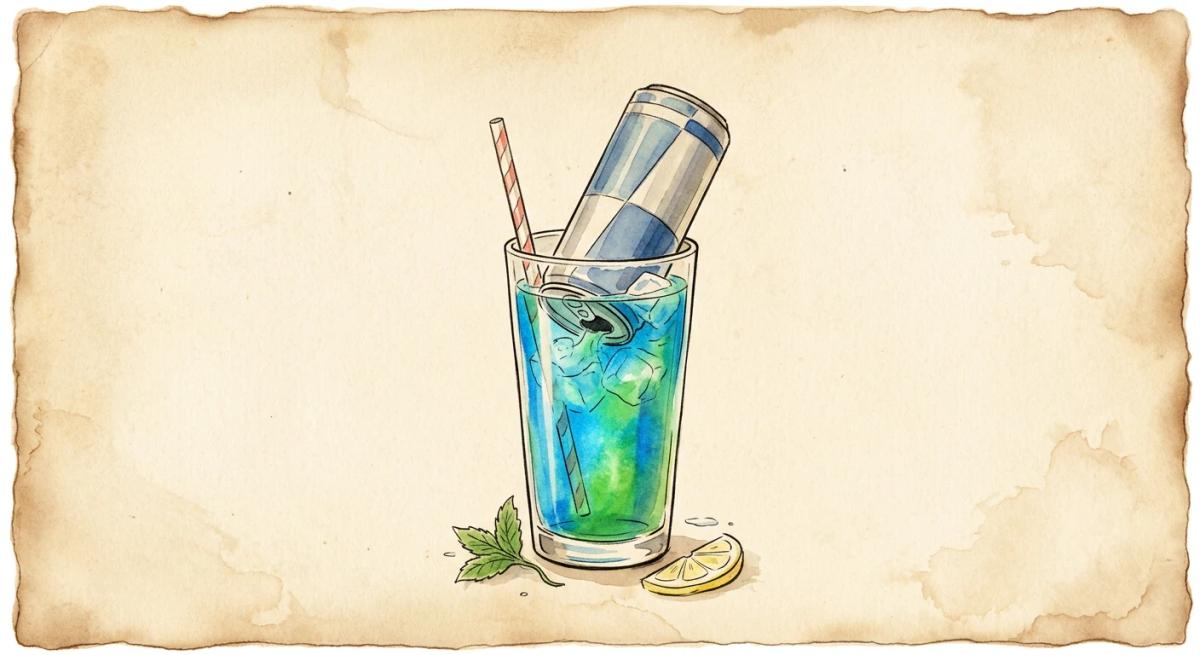
The Boston Trash Can, also widely known as the Irish Trash Can, is a six-spirit party drink built around one conceit: an open can of Red Bull dropped inverted into a tall glass of electric blue spirits, releasing gradually as the drink is consumed. The colour shifts from blue to green as the yellow energy drink meets the blue curaçao below it. The base departs from the Long Island Iced Tea in one significant respect. Tequila is absent, and peach schnapps takes the sixth position alongside vodka, gin, white rum, triple sec and blue curaçao. There is no fresh lemon and no sugar syrup either: the sweetness comes entirely from the liqueurs and the Red Bull, and what acid there is comes from the energy drink. It commits fully to what it is. This is a high-energy, high-strength, visually dramatic serve for nightlife, and it has genuine balance when it is built properly with decent bottles.

Elderflower Collins

The Elderflower Collins is a Tom Collins with the sugar upgraded to blossom. Gin, lemon and soda are unchanged; twenty millilitres of elderflower liqueur stands where the syrup would, and the whole drink reorganises around it. That is the same single move the Gold Rush makes with honey and the Army & Navy makes with orgeat: replace the neutral sweetener with one that brings character. Elderflower's lychee-and-blossom perfume threads through the gin's botanicals and the lemon's bite, and the soda lifts all three. Nobody owns it. It condensed out of the elderflower boom that followed the launch of the best-known liqueur in 2007: bartenders reached for the Collins template as the obvious frame, and the pairing was standard within about five years before anyone thought to claim it. That is folk repertoire of the modern era, which is a real pedigree even without a name attached to it, and it is how most long drinks were arrived at before anybody kept records.
Grateful Dead

Grateful Dead

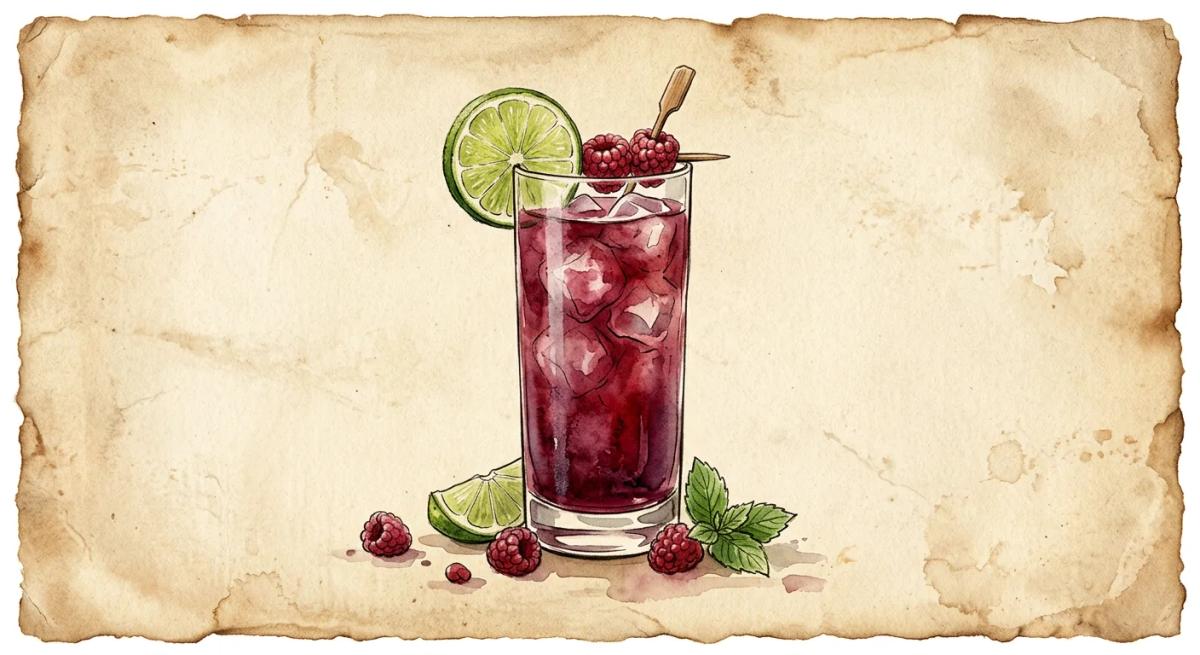
The Grateful Dead is the Long Island Iced Tea stripped of its cola float and rebuilt with raspberry liqueur. Where the Long Island uses a short cola pour for colour, dilution and finishing sweetness, this takes Chambord at full measure, producing a drink that is more potent, more fruit-forward and considerably more striking to look at. The five-spirit base of vodka, gin, white rum, blanco tequila and triple sec is unchanged from the parent, and fresh lime juice provides the acid backbone. The switch from lemon to lime is the second structural departure: lime’s sharper acidity gives a more coherent contrast to the Chambord’s berry sweetness, so the drink lands tart and fruity rather than simply sweet and strong. The name carries the irreverence of the party drink tradition, referencing the band as a comment on strength and character rather than flavour. Built with fresh lime and accurate measures, it is coherent and considerable in equal parts.

John Collins

The John Collins is the head of the Collins family and its original. It is named, on the best available evidence, for a real headwaiter at Limmer's Hotel on Conduit Street in London, immortalised in an 1830s rhyme for his gin punch. Very few drinks have that kind of paperwork on their founder. What he poured was built on genever, the malty Dutch style then called Hollands, with lemon, sugar and soda. That crossed the Atlantic and founded a dynasty that went on to outgrow him entirely. The family then split over gin: American bars pouring the drink with sweetened Old Tom called it a Tom Collins after the spirit, and that name conquered. The official specification now builds the John on London Dry, with the note that Old Tom makes it a Tom. That is the recipe above, and it makes a clean, crisp long drink. The genever reading is the older one and it is a rounder, breadier thing entirely; it is carried below with its own measures.
Long Island Iced Tea

Long Island Iced Tea

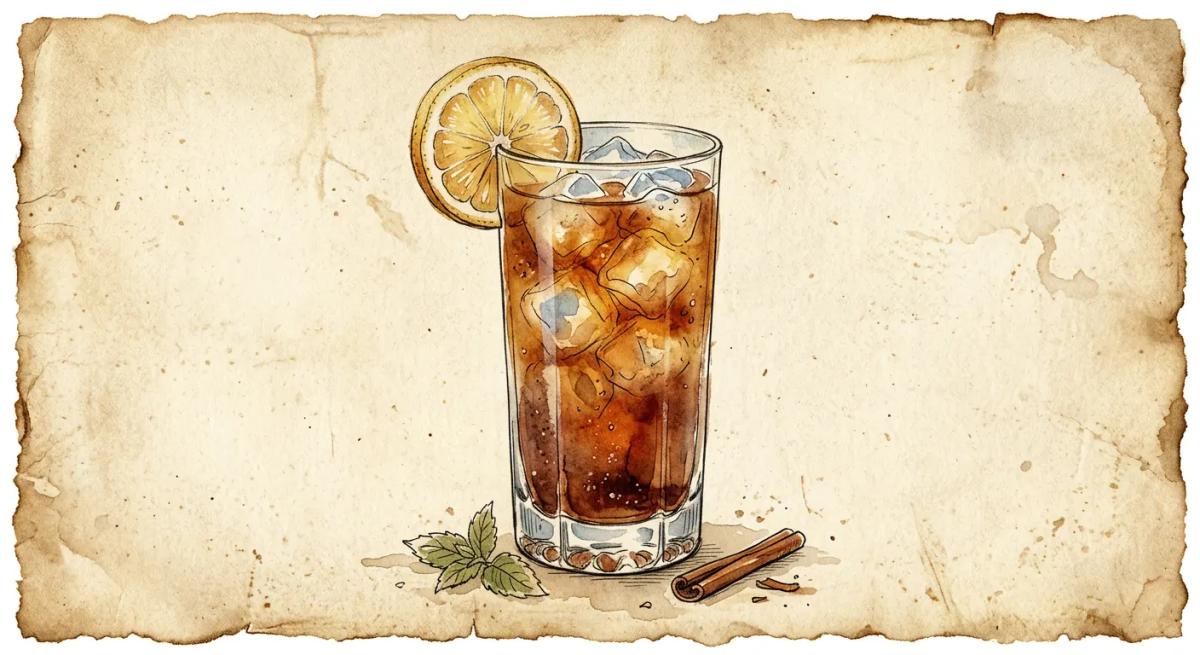
The Long Island Iced Tea is one of the most ordered cocktails in the world and one of the most misunderstood. Its reputation as a vehicle for maximum alcohol at minimum cost has obscured the fact that the original, created by Robert Rosebud Butt at the Oak Beach Inn on Long Island in 1972, was built around a genuine balance of five spirits with fresh lemon and a cola float. Five spirits at equal volume, with fresh lemon juice, a little syrup, and a short pour of cola over the surface that supplies the iced tea appearance without defining the flavour. The combination sounds chaotic and produces something coherent when every measure is accurate, because the lemon is the acid backbone that stops five spirits pulling in five directions. It fails when the spirits are poured generously rather than accurately, when the lemon is replaced with sour mix, or when the cola arrives in quantity. All three are common in high-volume service and all three are avoidable.
Purple Rain

Purple Rain

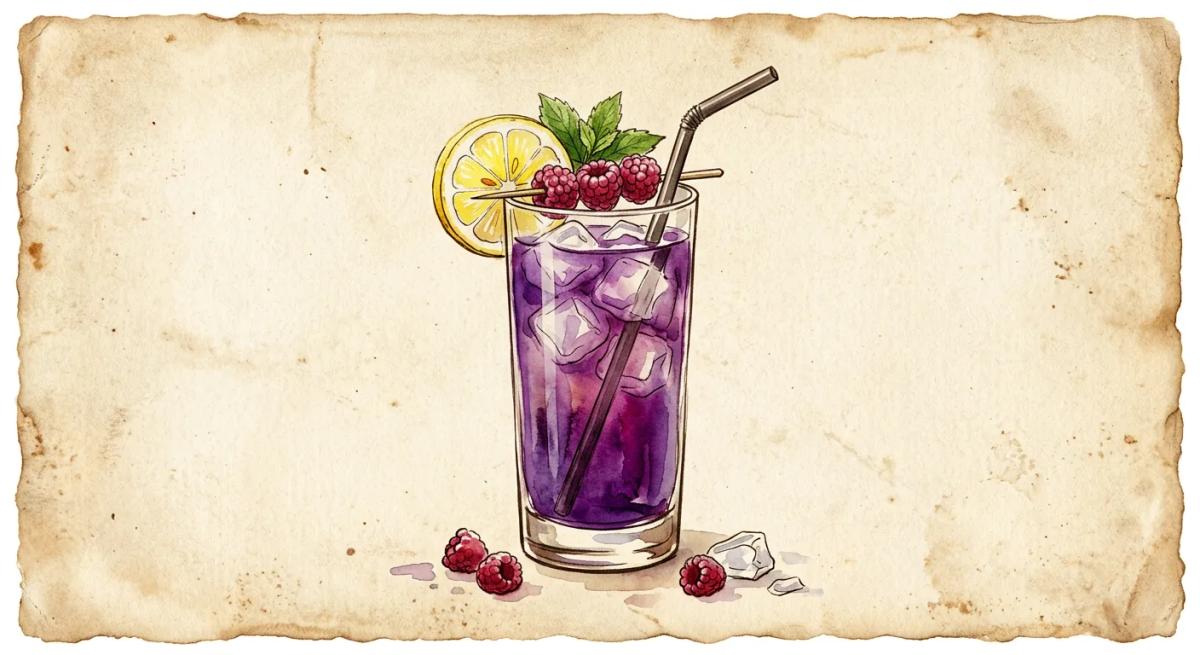
The Purple Rain is the most culturally specific member of the Long Island Iced Tea family. It is attributed to Prince, who is said to have developed it at his bar and entertainment venue in Minneapolis. Whether the attribution is entirely accurate matters less than what the drink represents: a multi-spirit party cocktail named after one of the most celebrated albums and films of the 1980s. The structure departs from the Long Island Iced Tea in two places at once. Chambord replaces the cola float, as it does in the Grateful Dead, and lemon-lime soda replaces the fresh citrus and sugar syrup. The result is sweeter, more effervescent, and less tart than the Grateful Dead, with the Chambord’s raspberry character present throughout the build rather than acting as a finishing element over a citrus-forward base. The colour is the drink’s most immediately recognisable characteristic: the Chambord’s deep berry-red combined with the soda’s neutral clarity produces a vivid purple that sits in the glass as a direct visual reference to the colour that defined Prince’s aesthetic throughout his career. That visual is the drink’s introduction before the first sip.

Russian Spring Punch

The Russian Spring Punch is Dick Bradsell's, built in London in the late 1980s, and it is a lemon sour with crème de cassis in it and champagne on top. Bradsell is reported to have rated it among his own best work, which from the man who also made the Bramble and the Espresso Martini is a substantial claim. The structure is more interesting than the ingredient list looks. Underneath the champagne is a genuine sour: twenty-five millilitres of lemon against a short ten of syrup, with the cassis bringing most of the sweetness and all of the colour. The vodka is deliberately silent and structural, there to bring the whole thing to strength without adding a flavour. Then the champagne does the job soda would do in a collins, except that it brings acid and depth of its own as well as bubbles. The result is long, pale purple, and considerably drier than the description suggests. It is the most elegant thing anyone has done with blackcurrant.
Texas Iced Tea

Texas Iced Tea

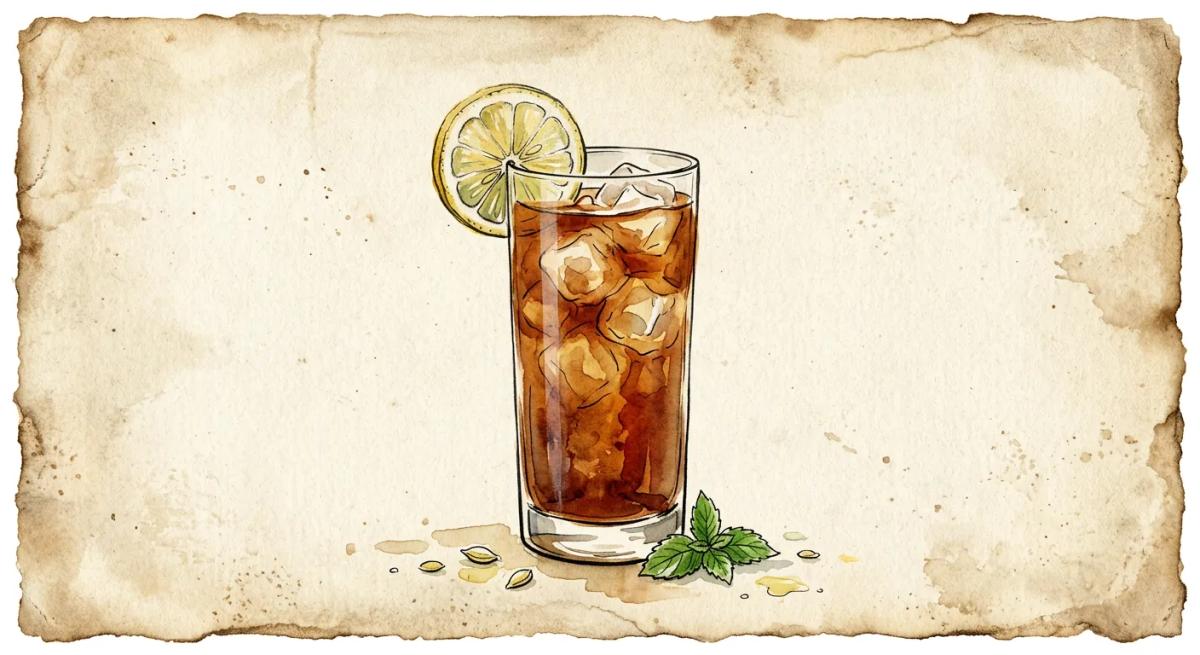
The Texas Iced Tea takes everything the Long Island Iced Tea is and makes it bigger. Where the Long Island builds its balance across five spirits, this adds bourbon as a sixth, producing a drink that is richer, warmer and more complex while keeping the same cola-touched amber appearance and the same fresh lemon backbone that holds the whole family together. Bourbon’s vanilla, caramel and oak sit against the gin, vodka, rum and tequila in a way that rounds the combination and adds a warmth the original does not have. Where the Long Island’s five spirits balance through contrast, the bourbon softens those contrasts slightly, giving a fuller and less austere result inside the same structure. The same discipline applies across every drink in the family: accurate measures, fresh lemon squeezed to order, and a gentle cola pour that preserves both the carbonation and the amber appearance. The bourbon measure should match the other five exactly, and a heavy pour in the name of Texas-sized generosity ruins it.
Tokyo Iced Tea

Tokyo Iced Tea

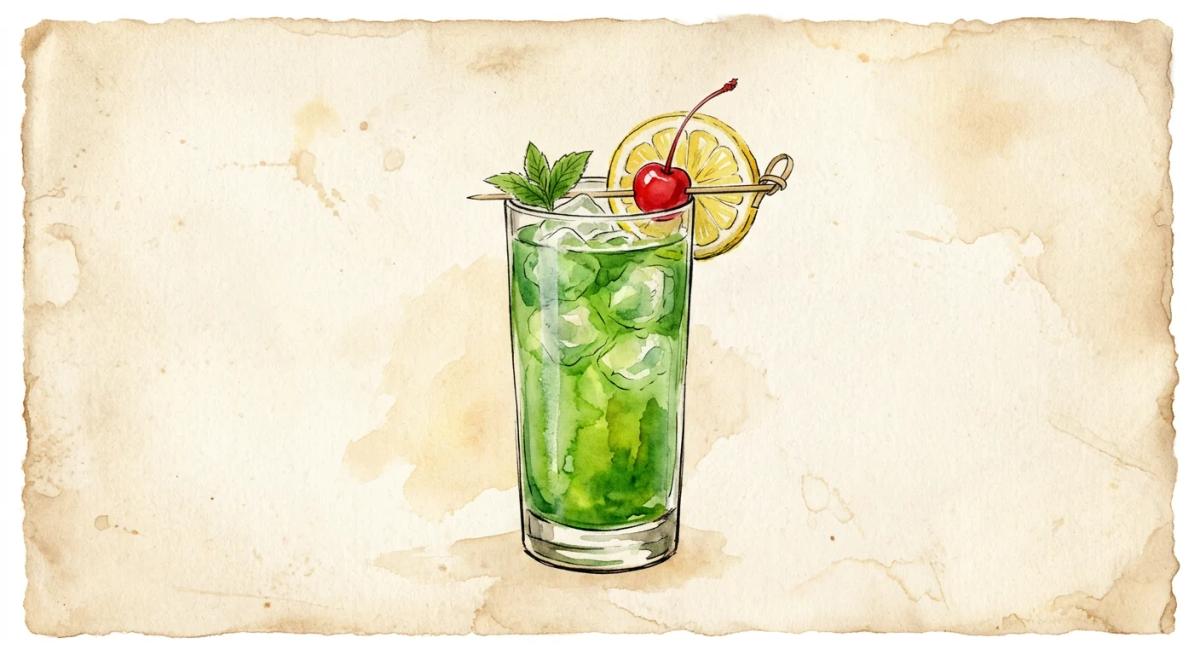
The Tokyo Iced Tea takes the Long Island Iced Tea’s five-spirit foundation and makes a single defining substitution: Midori melon liqueur replaces the cola float, turning the drink from amber-brown to a vivid tropical green. The name follows the same logic as the Long Island and the Adios Motherfucker: Midori, which translates as green in Japanese, was launched at Studio 54 in New York in 1978 and has been associated with the green cocktail category ever since. Midori changes the flavour more substantially than blue curaçao changes the AMF, because its honeydew melon sweetness is a more assertive contribution at the same volume. The five-spirit base of vodka, gin, white rum, blanco tequila, and triple sec matches the Long Island Iced Tea, and fresh lemon juice provides the same acid backbone; with the lemonade that extends the drink, the result is sweeter, more tropical, and more fruit-forward than either the Long Island or the AMF. The same discipline applies as across the whole family: accurate measures, lemon squeezed to order, and a gentle pour of lemonade to preserve carbonation and the defining green. With fresh lemon at the correct volume, no additional sweetener adjustment is needed.
Tom Collins

Tom Collins

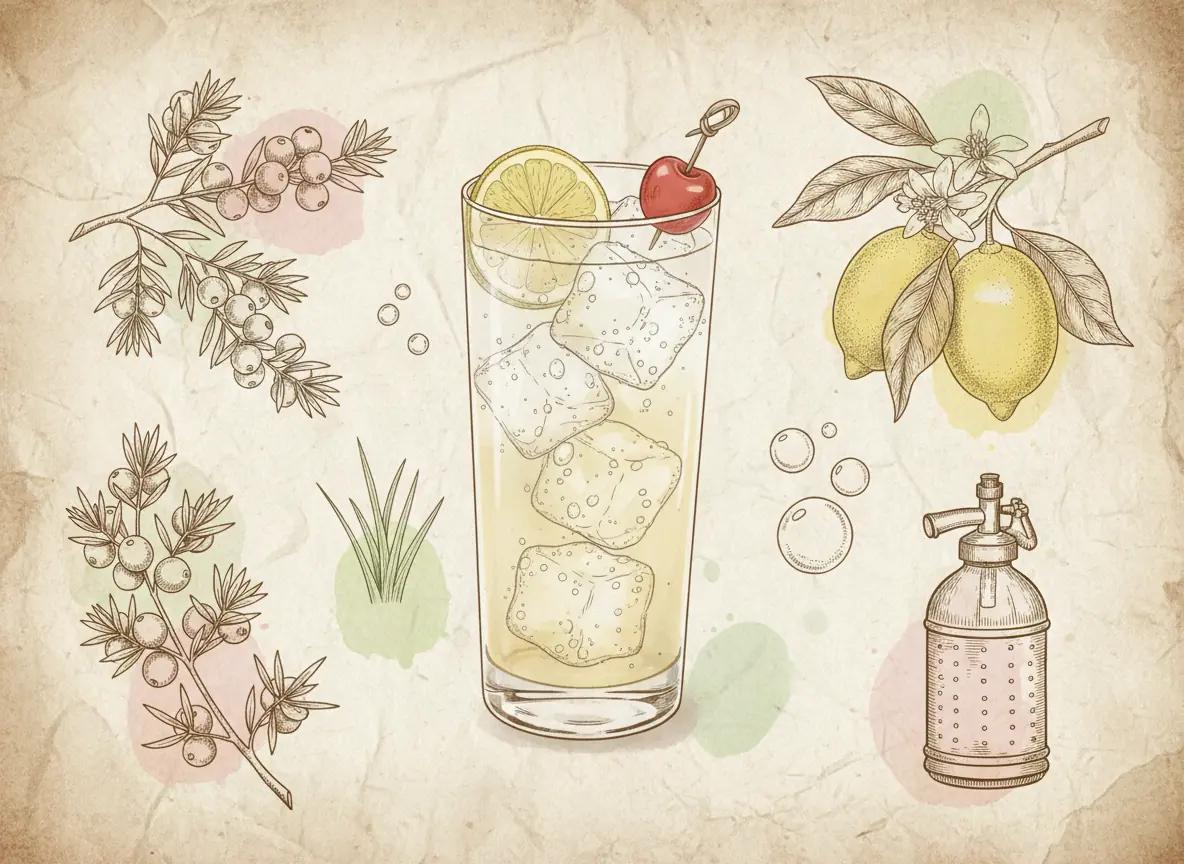
The Tom Collins is a gin sour lengthened with soda: gin, fresh lemon, sugar syrup and soda water over ice in a tall glass. The simplicity is deceptive. Built with a quality London Dry, lemon squeezed to order and well-chilled soda poured carefully, it is one of the most refreshing long drinks there is. Built with bottled juice and flat soda, it is one of the most disappointing. The name comes from one of the odder stories in the canon. The Great Tom Collins Hoax of 1874 involved telling somebody that a man called Tom Collins had been disparaging them in a nearby bar, then sending them off to find a person who did not exist. It spread across American cities fast enough that the name entered everyday speech, and a long gin drink already being served as the John Collins acquired it almost by association. Old Tom gin, the sweeter style that preceded London Dry, was the format's original base and makes a rounder, gentler drink. Both are correct.

Vodka Collins

The Vodka Collins is the fourth passport in a family that has been reissuing them since Limmer’s Hotel. The formula never changes: spirit, lemon, sugar, soda, tall ice. Only the bottle in the first slot moves, and vodka took its turn as it took everything else in the post-war American well, without ceremony and without anybody writing it down. What the swap produces is the Collins architecture with nothing sitting on top of it. Genever gives you a John, Old Tom gives you a Tom, bourbon gives you the whiskey branch, and each of those spirits editorialises over the frame. Vodka does not. What you taste is lemon, sugar and carbonation at their own volume, over a great deal of ice, for a long time. That makes it the most useful glass in the family as well as the plainest. Pour it beside any of its siblings and the lesson about what a base spirit contributes teaches itself.

Whiskey Collins

The Whiskey Collins is the Collins template on bourbon: spirit, fresh lemon and sugar shaken together, strained over ice and lengthened with soda. It is the same build as a Tom Collins with the gin swapped out, and the swap changes rather more than it looks like it should. Bourbon's vanilla and oak survive carbonation better than juniper does. Where a gin Collins stays crisp and botanical, this one reads rounder and warmer, closer to sparkling lemonade with a barrel education. Rye instead of bourbon sharpens the same frame for anyone who wants it drier. There is a naming muddle worth knowing about. Mid-century American menus often called this a John Collins, a name that properly belongs to the genever original from Limmer's Hotel in London. The confusion is genuine and old, and it is easier to give the whiskey version its own name than to argue about it every time it comes up.