Bamboo
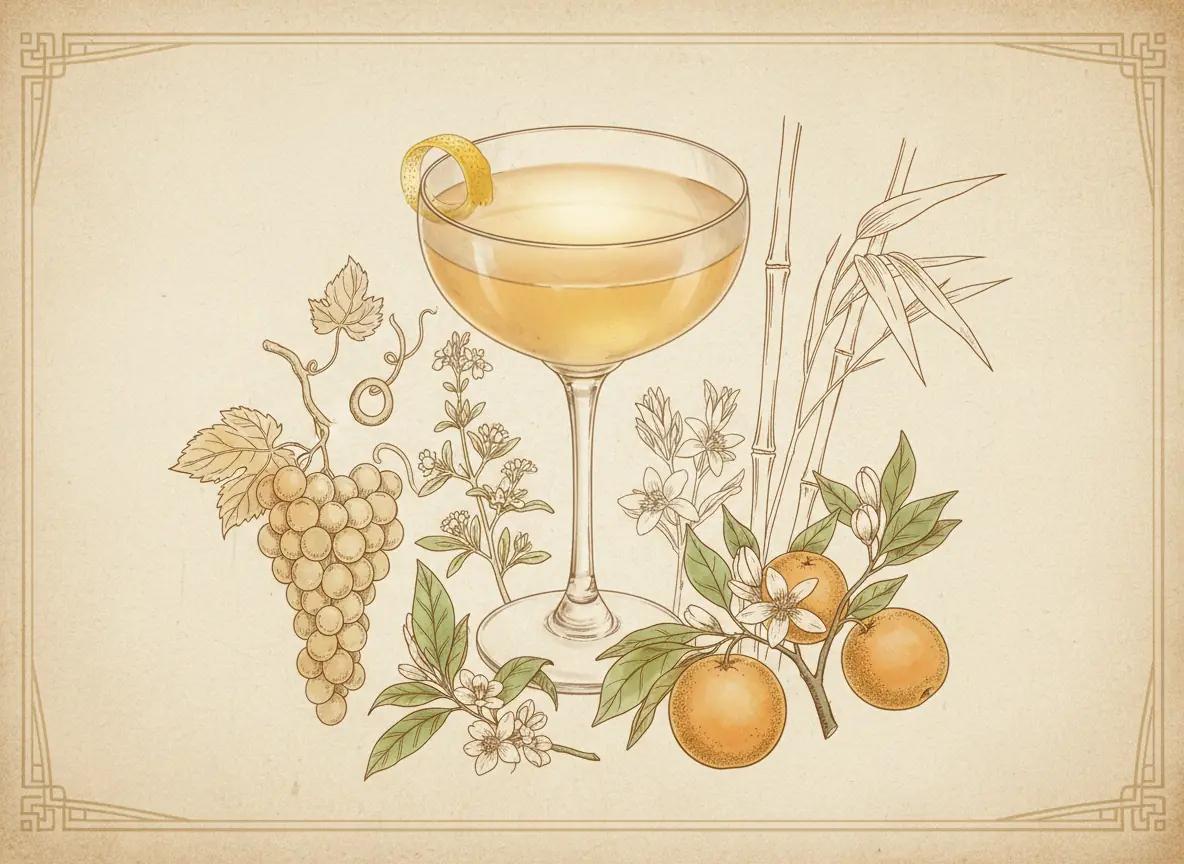
The Bamboo was created by Louis Eppinger at the Grand Hotel in Yokohama around 1890, making it one of the earliest documented low-ABV cocktails and one of the first drinks of note created outside Europe or North America. Eppinger was a German-born bartender who ran the Grand Hotel bar for decades, and the travellers who passed through carried his drinks back with them. The Bamboo was the most enduring of them. Equal parts dry sherry and dry vermouth with orange bitters, stirred and served cold. The format sits in the Martini family, spirit-forward and stirred, but the absence of a distilled base produces something considerably lighter and more delicate than anything built on gin or whiskey. It asks for attention rather than demanding it. Fino or manzanilla performs best: dry, saline and nutty in a way that gives the drink genuine complexity at a fraction of the alcohol. The sherry choice changes the Bamboo more than any other variable in the build.
Glassware: Coupe Glass
Garnish: Lemon Peel
Ingredients
45ml
Fino or manzanilla brings the dry, saline, nutty character the drink is built around. An amontillado works for a richer, warmer result in cold weather.
45ml
Refrigerate after opening and replace within four weeks. At equal volume to the sherry, a stale vermouth will define the drink for the wrong reasons.
2 dashes
The aromatic bridge between the sherry and vermouth. Regans' Orange Bitters No. 6 or Fee Brothers Orange Bitters both perform well here.
1 dash
A single supporting dash that adds spice and depth without competing with the orange bitters. Some bartenders omit this. The drink is better with it.
Instructions
Chill a coupe in the freezer or with ice water before building the drink.
Add fino sherry, dry vermouth, orange bitters, and Angostura bitters to a mixing glass.
Add a scoop of large cubed ice and stir for 20 to 25 seconds until well chilled and properly diluted.
Discard the chilling ice from the coupe and strain the cocktail cleanly into the glass.
Cut a wide strip of lemon peel and express the oils over the surface of the drink.
Rest the peel on the rim and serve immediately.
Expert Tip
Both the sherry and the vermouth are perishable once opened, and this drink has nothing to hide them behind. There is no distilled spirit base and no citrus acid, so an oxidised bottle shows up in the glass immediately. Sherry oxidises more slowly than vermouth but still degrades, and fino and manzanilla are the most delicate styles of all. Keep both refrigerated from the day they are opened and use them within four weeks. A Bamboo built from fresh cold bottles and one built from bottles left open at room temperature are not the same drink in any meaningful sense. If you have found the Bamboo disappointing in the past, this is almost certainly why. Opening a fresh bottle of each is the single most effective improvement available, and the difference is immediate rather than subtle.
Behind the Bamboo
Flavour Profile
The Origin
Louis Eppinger arrived at the Grand Hotel in Yokohama in the 1880s and ran the bar there for the better part of two decades. The Grand Hotel was one of the principal gathering points for the expatriate community in Yokohama, a city that had become a significant international port following Japan's opening to foreign trade in 1859. The clientele Eppinger served were diplomats, merchants, travellers, and adventurers passing through on their way to or from destinations across Asia, and the bar he ran reflected the cosmopolitan character of that environment.
The Bamboo was the drink that carried his name beyond Yokohama. Travellers brought the recipe back to Europe and America, where it appeared in bar guides of the late nineteenth and early twentieth centuries credited to Eppinger and to Japan. It is one of very few drinks from that era to have originated outside the established cocktail capitals of New York, London, and New Orleans, and its survival into the present day is a testament to how well the original balance was conceived.
The Structure
Equal parts dry sherry and dry vermouth with orange bitters and a single supporting dash of Angostura. The format is a stirred, spirit-forward drink in the Martini tradition, but the use of two fortified wines rather than a distilled spirit base produces a result that is categorically different in weight and character from anything in that tradition built on gin or whiskey. The alcohol content of a properly built Bamboo sits between twelve and fifteen percent, comparable to a glass of wine rather than a short cocktail.
That lightness is not a weakness. It is the design. The Bamboo is a drink for situations that call for complexity and craft without the weight of a spirit-forward cocktail. Before a long meal. In the afternoon. In warm weather. The delicacy of the structure is what makes it suited to those contexts.
The Sherry Question
Fino and manzanilla are the driest and most delicate styles of sherry, produced under a biological ageing process in which a layer of yeast called flor forms on the surface of the wine and protects it from oxidation. The result is a pale, dry, saline, and distinctly nutty wine that behaves differently in a cocktail from the richer, more oxidative styles such as oloroso or amontillado. In the Bamboo, fino or manzanilla produces a lighter, more mineral drink that suits warm weather and aperitivo contexts. Amontillado, which sits between the biological and oxidative styles, produces a richer, nuttier result that works better in cold weather or as an after-dinner alternative.
Both are correct. They produce different drinks. The choice should be made in relation to when and how the Bamboo is being served.
The Freshness Requirement
The Bamboo is a drink with no distilled spirit base and no citrus acid to mask the degradation of its principal ingredients. Both fino sherry and dry vermouth are perishable products that oxidise after opening and lose their character within weeks if left at room temperature. A Bamboo built with fresh, refrigerated ingredients from recently opened bottles is a genuinely interesting drink. The same drink built with bottles that have been open for months is not. The single most effective improvement available to anyone who finds the Bamboo disappointing is to open a fresh bottle of each. The difference is immediate.
How to Serve It
Stirred, strained, and served cold in a coupe with expressed lemon peel over the surface. This is an aperitif in weight and purpose, suited to the period before a meal or as a considered afternoon drink for those who want something with genuine complexity at a lower alcohol level. Serve it cold and serve it fresh. The Bamboo does not hold well once built and should be consumed immediately.
Make it at home
The Spirit
Fino SherryA pale, bone-dry sherry from Jerez, aged under a living veil of yeast that keeps the air off it. It is a white wine that has been fortified, not a spirit, and treating it as one is why so many bottles are drunk stale.
Master the Techniques
More to explore
Frequently Asked Questions
What is a Bamboo?
How does it differ from a Martini?
Why does freshness matter so much?
You Might Also Like
Sherry Cobbler
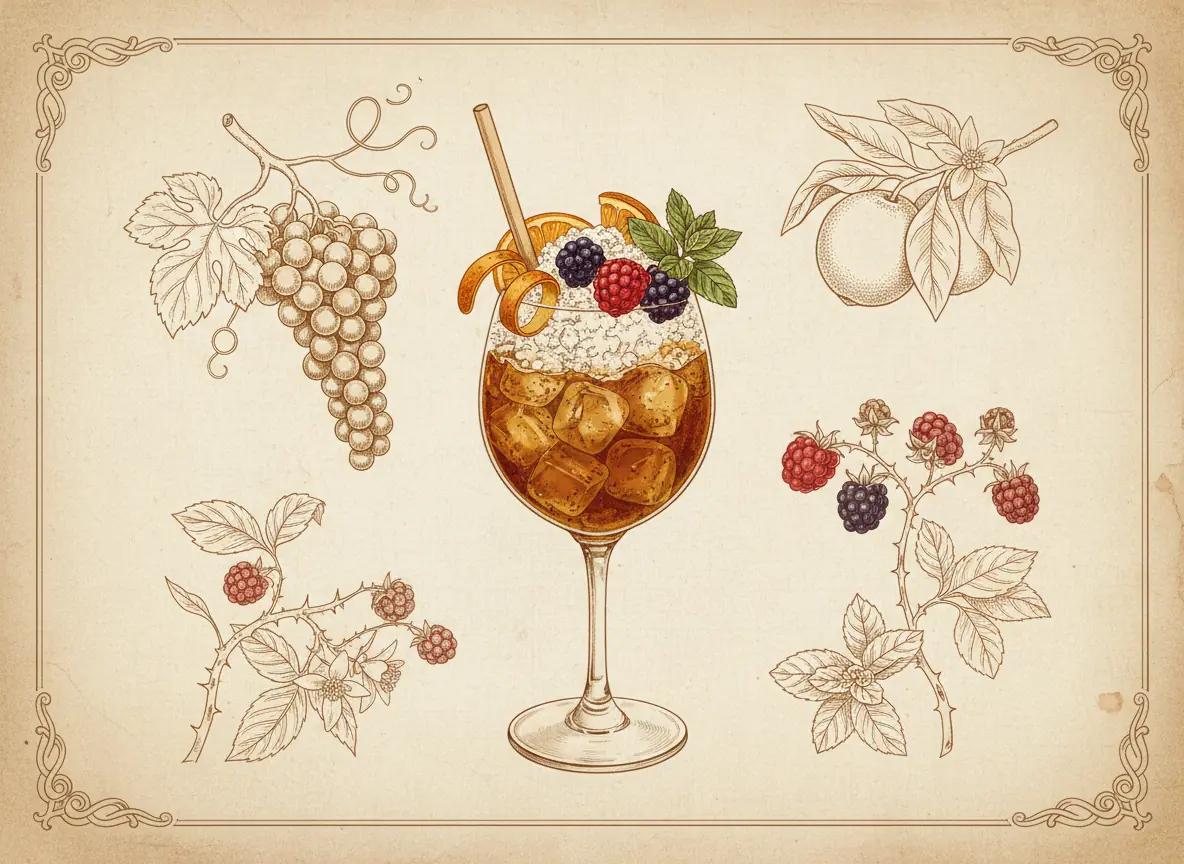
The Sherry Cobbler is one of the most historically significant drinks in American cocktail culture, and one of the least appreciated. It was the most popular cocktail in America through the mid-nineteenth century, ordered in every bar, hotel and oyster saloon from New York to San Francisco, and Jerry Thomas documented it in his 1862 Bartenders Guide with the confidence reserved for drinks that need no introduction. The cobbler is built on three things: sherry, sugar and citrus, packed into a glass of crushed ice and served with a straw. That last detail matters more than it sounds. The Sherry Cobbler is widely credited as the drink that popularised the drinking straw in America. Sherry is a fortified wine rather than a spirit, lower in alcohol than the bases that anchor most cocktails, which makes this one of the most sessionable drinks in the canon and one of the most elegant. It simply is what it is: one of the great originals.
Bijou
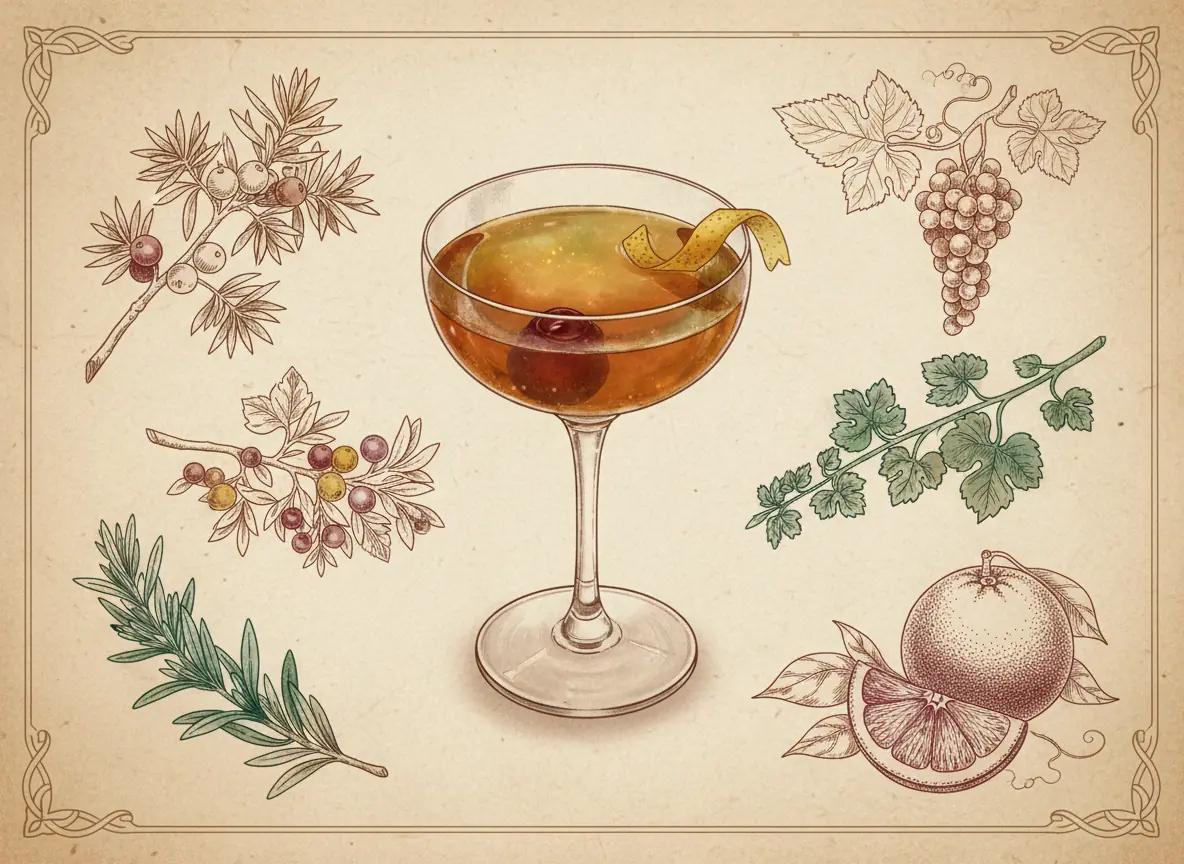
The Bijou was created by Harry Johnson and published in his 1900 Bartenders' Manual, the name taken from the French word for jewel. The three base ingredients each represent a precious stone: gin for diamond, sweet vermouth for ruby, green Chartreuse for emerald. It is one of the most demanding drinks in the classic canon to balance correctly. Green Chartreuse is a 130-botanical French liqueur made by Carthusian monks since 1737, and it does not share space quietly. It brings herbal complexity, sweetness and considerable alcoholic weight to the glass. The gin must be assertive enough to hold its own, the sweet vermouth must be fresh, and the orange bitters tie the three together. The proportions are not equal parts, whatever the jewel conceit suggests: forty millilitres of gin against twenty each of Chartreuse and vermouth is what keeps the drink standing upright rather than collapsing into herbal sweetness. The result is rich, complex and entirely spirit-forward. This is not a drink for the uninitiated and it does not pretend to be.
Alaska
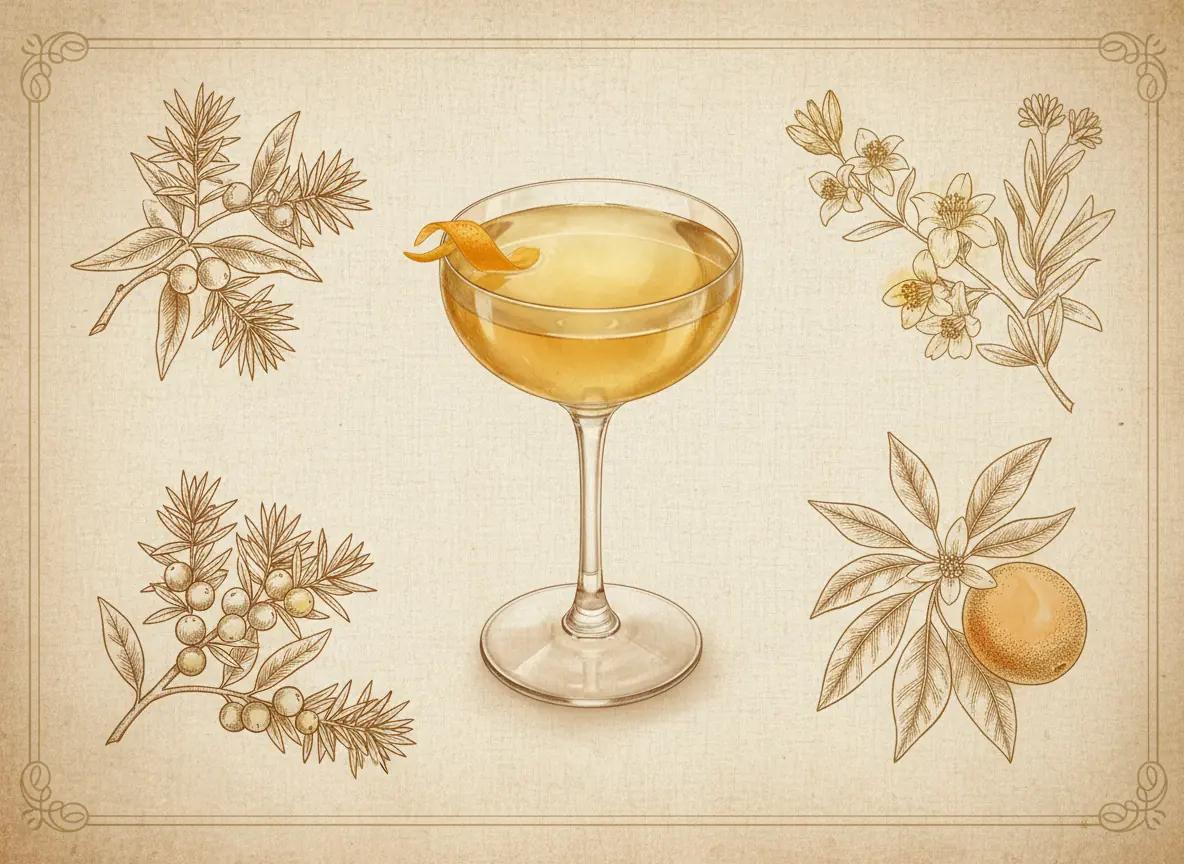
The Alaska is a two-ingredient stirred cocktail of considerable elegance and considerable potency. Gin and yellow Chartreuse in a ratio that has been debated since the drink first appeared in print, with orange bitters to bridge them. That is the entire recipe. What it produces is far greater than the sum of its parts. Yellow Chartreuse is the gentler sibling of the green. Where green Chartreuse is bold, herbal, and assertive at 55% ABV, yellow is softer, sweeter, and more honeyed at 40%, with chamomile and saffron notes that give it a warmth and approachability the green does not always offer. Against a high-juniper London Dry gin the result is simultaneously botanical, sweet, complex, and completely spirit-forward. The Alaska first appeared in Jacques Straub’s 1914 Drinks and was subsequently documented by Hugo Ensslin in his 1916 Recipes for Mixed Drinks. Why it is named Alaska remains genuinely unclear; no convincing origin story has attached itself to the name. What is clear is that the drink itself is precise, demanding, and quietly one of the best things you can make with two bottles.
Where this one sits
Recipe by Jerry Can Spirits