Sloe Gin & Lemon Tonic
Sloe gin is not gin, which is the first thing worth knowing and the reason this drink behaves the way it does. It is a liqueur — sloes steeped in gin with sugar, usually landing somewhere around 25% — so it arrives sweet, soft, and considerably gentler than the spirit it started as. Put it in a long drink and the sweetness has nowhere to hide unless something sharp comes with it. Lemon tonic is that something. The citrus meets the sugar head-on and the quinine gives the whole thing a dry finish it would otherwise lack, leaving the sloe fruit — dark, plummy, faintly almond-like from the stones — sitting in the middle where it belongs. The result is low in alcohol and genuinely refreshing rather than merely sweet. It is an autumn drink by origin and a summer one by temperament, which is an unusual combination and part of why it works.
Glassware: Highball Glass
Garnish: Lemon Slice
Ingredients
150ml
Doing two jobs: the lemon supplies the acidity that sloe gin lacks, and the quinine dries out the finish. Plain tonic leaves the drink noticeably sweeter and lemonade leaves it sweeter still.
50ml
A liqueur rather than a gin, typically around 25%. Sweetness varies wildly between bottles, especially homemade ones — taste it first and adjust the measure rather than the tonic.
Fill the glass
Cubed. There is enough sugar here that a watery drink turns cloying rather than refreshing, so keep the glass full and the dilution slow.
Instructions
Fill a highball glass with cubed ice.
Pour in the sloe gin.
Top with the lemon tonic, pouring down the side of the glass.
Squeeze a slice of lemon over the drink and drop it in.
Stir once from the bottom.
Source: the producer's own published serve (Fever-Tree). Last checked 22 August 2026.
Expert Tip
Taste your sloe gin before you build the drink. Homemade bottles vary enormously — sugar goes in by eye, and a batch made by someone with a sweet tooth can be almost double the sugar of a commercial one. If yours is on the sweet side, pull the measure back to 40ml rather than adding more tonic, which only makes a bigger drink rather than a drier one. Squeeze the lemon slice before it goes in. Sloe gin has plenty of fruit and almost no acid of its own, and a little juice does more for the balance than the garnish does for the look. If you can, use a bottle that has had a year in the cupboard. The almond note from the stones deepens noticeably with age.
Behind the Sloe Gin & Lemon Tonic
Flavour Profile
Where It Comes From
Sloes are the fruit of the blackthorn, a hedgerow shrub found across Britain, and they are close to inedible raw — astringent enough to dry the mouth out completely. Steeping them in gin with sugar is a way of getting something out of a fruit that otherwise resists being eaten.
The tradition is domestic rather than commercial. Sloes are picked late in the year, traditionally after the first frost, the bottles go into a cupboard, and they come out months later. Shooting parties and cold weather are the usual associations, and both are seasonal.
What this serve does is take it out of that season. There is nothing about the flavour that requires a hedgerow in November.
Why It Needs Acid
Sloe gin is sweet and fruity with very little acidity of its own, and sweetness without acid reads as flat rather than as sweet. It is the same reason a fruit squash tastes better with lemon in it.
The lemon tonic supplies both halves of the fix at once — citrus acid and quinine bitterness — which is more than plain tonic does. It is why the drink stays drinkable at a long measure instead of turning syrupy by the halfway point.
The Almond Note
A good sloe gin has a faint marzipan character underneath the fruit. It comes from the stones, which release trace benzaldehyde during the steep — the same compound that gives almond extract its smell.
It is subtle and it deepens with age, which is the honest argument for leaving a bottle alone for a year. In a long drink it sits right at the back and is the thing that separates a good sloe gin from a merely fruity one.
More to explore
Frequently Asked Questions
Is sloe gin actually gin?
Can I use ordinary tonic?
Does homemade sloe gin work?
You Might Also Like
Sloe Gin Fizz
Sloe gin is England’s hedgerow in a bottle: blackthorn sloes picked after the first frost, steeped in gin and sugar through the winter, emerging deep garnet and tasting of plum skin and almond. For most of its history it stayed a sipping liqueur for hip flasks and shoot lunches, until American bartenders got hold of it and gave it the fizz treatment, and the hedgerow discovered it could dance. The fizz is the great American lengthener: spirit, citrus, sugar and soda, shaken hard and served effervescent, with an optional egg white turning the drink to silk. Applied to sloe gin the formula is transformative. The liqueur’s jammy depth gets stretched over lemon and bubbles into something long, blushing and berry-bright, with the almond note of the sloe stones surfacing at the finish. A measure of dry gin stiffens the frame, since sloe gin alone runs low-proof and sweet, and the result balances English autumn against American fizz: a drink that tastes like late September poured over July.
Gin & Tonic
The Gin & Tonic is medicine that stayed for the party. Quinine, the bitter bark extract that treated malaria across the British Empire, was so foul in solution that officers of the East India Company cut it with sugar, soda and their gin ration, and by the 1850s the treatment had become the drink. Modern tonic still carries a token dose of the original prescription: the bitterness is heritage rather than flavouring. It is the most ordered mixed drink in Britain and among the least considered. Two ingredients and ice leave nothing to hide behind: the gin has to be worth tasting, the tonic has to be fresh and properly carbonated, and one part gin to two of tonic keeps the drink a partnership rather than a dilution. The Spanish rebuilt the serve in the 2000s as gastronomy, and the copa balloon full of ice is the standard here: more ice than seems polite, tonic down the glass wall, and a garnish chosen rather than assumed.
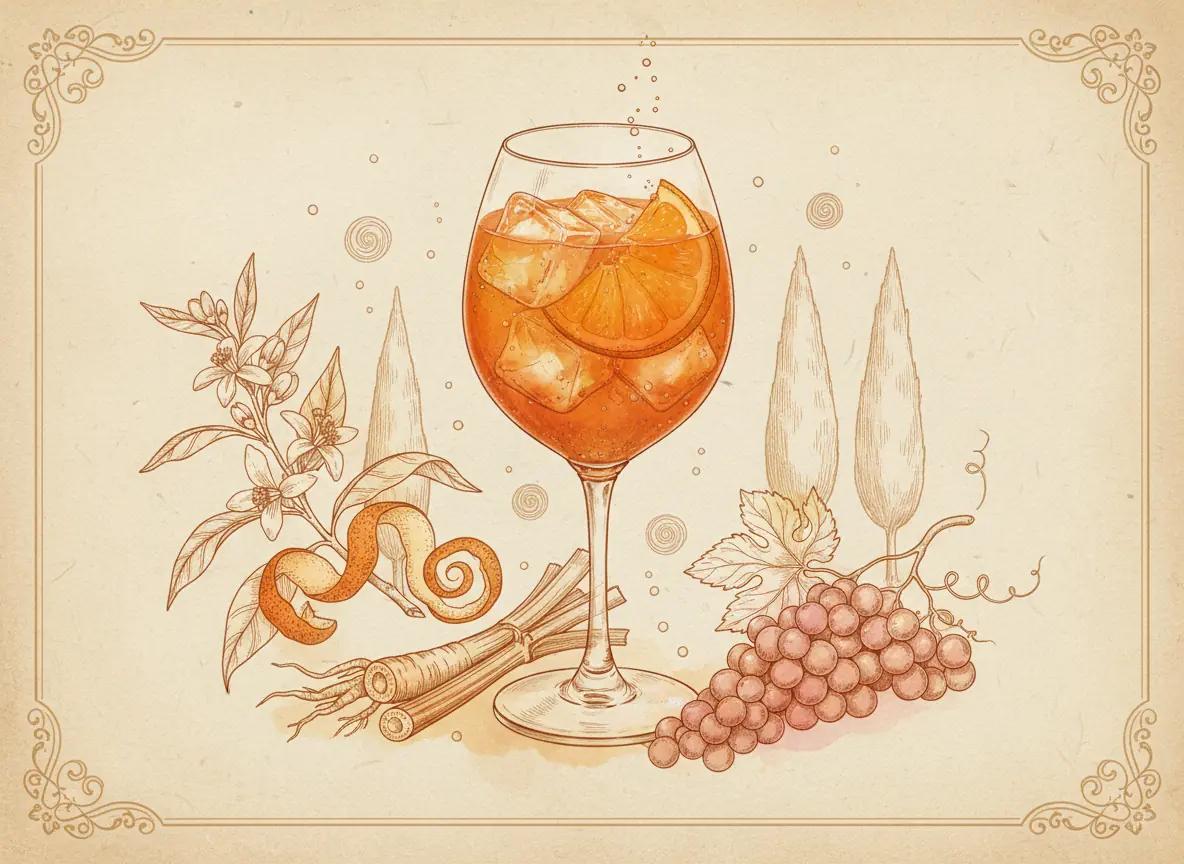
Aperol Spritz
The Aperol Spritz became the most ordered cocktail in the world during the 2010s, which was partly a marketing achievement and partly deserved. Built properly it is bright, bitter and genuinely refreshing. Built carelessly it is flat orange squash, and it is built carelessly a great deal. The format is older than the bottle. The spritz tradition comes from the Veneto, where Austrian soldiers under Habsburg rule diluted the strong local wine with water and called it spritzen, from the German for to splash. Bitter liqueurs joined later. Aperol arrived in 1919 and turned out to suit prosecco better than anything else did. The three to two to one ratio of prosecco, Aperol and soda was codified and marketed by Campari Group from the early 2000s, and it is not an arbitrary commercial decision. It is the proportion at which the prosecco still leads, the Aperol seasons without dominating, and the soda keeps the whole thing light.
Where this one sits
Recipe by Dan Freeman