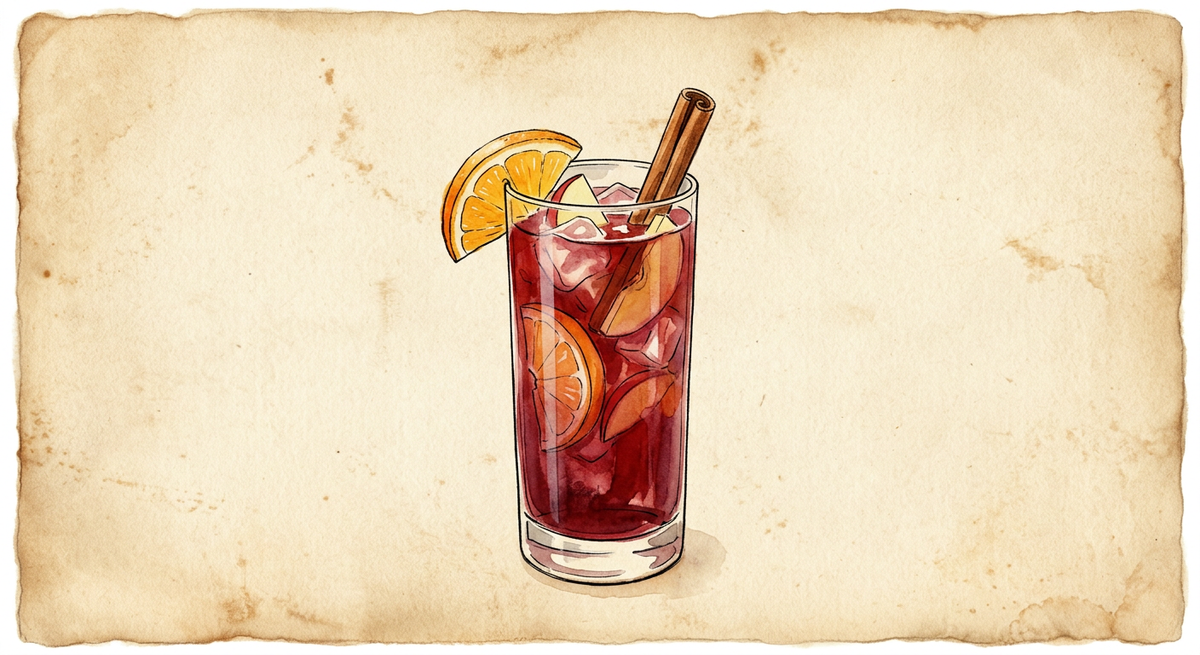
Spiced Sangria
A sangria with no wine in it, which sounds like a contradiction until you look at what the wine was actually contributing. In a traditional jug it supplies body, a little tannin and some acidity — and here rum takes the body, Aperol takes the bitterness, and spiced orange ginger ale takes the fruit and the length. What comes out is recognisably in the sangria tradition despite sharing almost no ingredients with it: fruity, spiced, orange-led, meant for a warm afternoon and easy to make by the jug. The ginger is the part that lifts it out of being a rum punch. It brings heat and a dryness that cuts the Aperol’s sweetness, and it sits naturally with the cinnamon. Dark rum is the right choice for the molasses weight. Build it over plenty of ice with a cinnamon stick and orange, and let it sit for a minute before drinking so the spice has time to come through.
Glassware: Highball Glass
Garnish: Orange Wedge and Cinnamon Stick
Ingredients
150ml
The published serve specifies their Refreshingly Light version. The ginger heat is what keeps this from becoming a rum punch, and the orange spice sits naturally with the cinnamon rather than adding a competing flavour.
60ml
Molasses weight is what stands in for the wine here. A white rum leaves a hole in the middle of the drink that no amount of extra measure will fill.
30ml
Supplying the bitterness and a little of the tannic grip that wine would bring to a sangria. Cut it back slightly if you are using a lighter rum, or it comes forward too hard.
1
Whole, and given a minute to work. Snap it in half if you are in a hurry — the broken ends release far faster than sealed bark. Ground cinnamon is not a substitute; it clouds the drink and tastes dusty.
Fill the glass
Cubed and plenty. There is real sugar here from the Aperol and the ginger ale, and a warm version turns heavy quickly.
Instructions
Fill a highball glass with cubed ice.
Add the dark rum and the Aperol.
Top with the spiced orange ginger ale.
Drop in a cinnamon stick and a wedge of orange.
Stir once and leave it a minute before drinking.
Source: the producer's own published serve (Fever-Tree). Last checked 22 August 2026.
Expert Tip
Give the cinnamon stick a minute in the glass before you drink it. Whole cinnamon releases slowly and a drink poured and drunk immediately tastes of ginger and Aperol with a cinnamon stick sitting in it. Building it slightly ahead is genuinely better here, which is unusual for a carbonated drink. Snap the stick in half if you are in a hurry. The broken ends give up their oils much faster than the sealed bark does. Dark rum rather than white. This needs molasses weight underneath the citrus, and a light rum leaves the drink feeling hollow in the middle no matter how much you add. If you only have white rum, cut the Aperol slightly — without the rum’s body, the bitterness comes forward too hard.
Behind the Spiced Sangria
Flavour Profile
Where Sangria Comes From
Sangria is Spanish and Portuguese and much older than its holiday reputation suggests. Wine cut with water, fruit and spice was ordinary practice across southern Europe for centuries, partly for flavour and partly because the water was safer for having wine in it.
The name refers to the colour — sangre, blood — and attached itself to the red wine version. It reached a wide English-speaking audience through the 1964 World’s Fair in New York, which is when it became the thing people associate with Spanish holidays.
Spiced versions with citrus and cinnamon are the older strand rather than a modern flourish. Warm spiced wine and cold spiced wine are the same idea served at different temperatures.
What Replaced the Wine
It is worth being precise about what wine does in a sangria, because that is what has been substituted. It brings body, mild tannin, acidity, and a fermented depth that fruit juice does not have.
Dark rum covers the body and the depth — molasses and barrel character in place of grape and oak. Aperol covers the bitterness and some of the grip. The acidity is the one thing genuinely missing, which is why the orange wedge is worth squeezing rather than just dropping in.
Why Ginger Rather Than Plain Orange
A rum, Aperol and orange soda drink already exists and it is pleasant and slightly one-dimensional. Ginger is what gives this one a spine.
The heat provides a dryness on the finish that the sugar needs, and ginger and cinnamon are a long-established pairing that reads as warming rather than as two separate spices. That combination is what makes the drink recognisably a sangria descendant instead of a punch.
More to explore
Frequently Asked Questions
Is it really sangria without wine?
Can I make it by the jug?
Does the cinnamon stick actually do anything?
You Might Also Like
Sangria
Sangria is red wine lengthened with fruit, brandy and a little sugar, rested until the flavours marry, and served from a pitcher over ice. The name comes from sangre, blood, for the colour of it. It is not really a recipe. It is a set of slots, wine and spirit and citrus and sugar and fruit and time, and every house in Spain and Portugal fills them differently. Catalonia makes it with cava. The south drinks tinto de verano, which is wine and lemon soda and barely qualifies. Peaches turn up wherever the orchards do. The measures here are common ground rather than doctrine, and they claim only the proportions. The one thing that is not negotiable is the rest. An hour in the fridge is the minimum and overnight is better, because maceration is what turns wine with fruit in it into sangria. Poured young it tastes exactly like what it is, which is a bottle of red with some oranges floating in it.
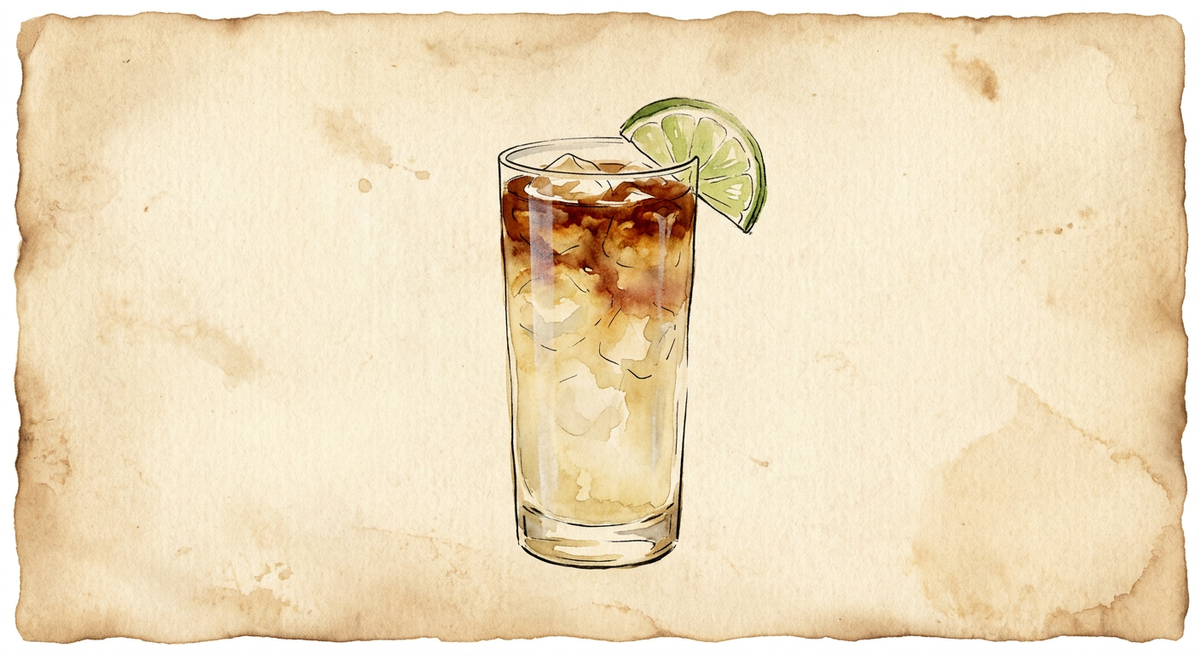
Dark ’n’ Stormy
The Dark 'n' Stormy is Bermuda's national highball and one of very few cocktails with a legal department. It was born after the First World War, when ginger beer brewed at a Royal Navy officers' club on the island met Gosling's Black Seal, the local black rum, and a sailor observed that the result was the colour of a cloud only a fool or a dead man would sail under. The legal part is not decoration. Gosling's trademarked the name and has gone to court to defend it, which makes the recipe binding rather than traditional: a Dark 'n' Stormy is Gosling's Black Seal and ginger beer, and a version built on any other bottle is a dark rum and ginger beer, often excellent and differently named. The build is the whole theatre. Ginger beer first over ice, lime squeezed if the day calls for it, and the rum poured last and slowly, where its density holds it as a black weather front above the golden fizz.
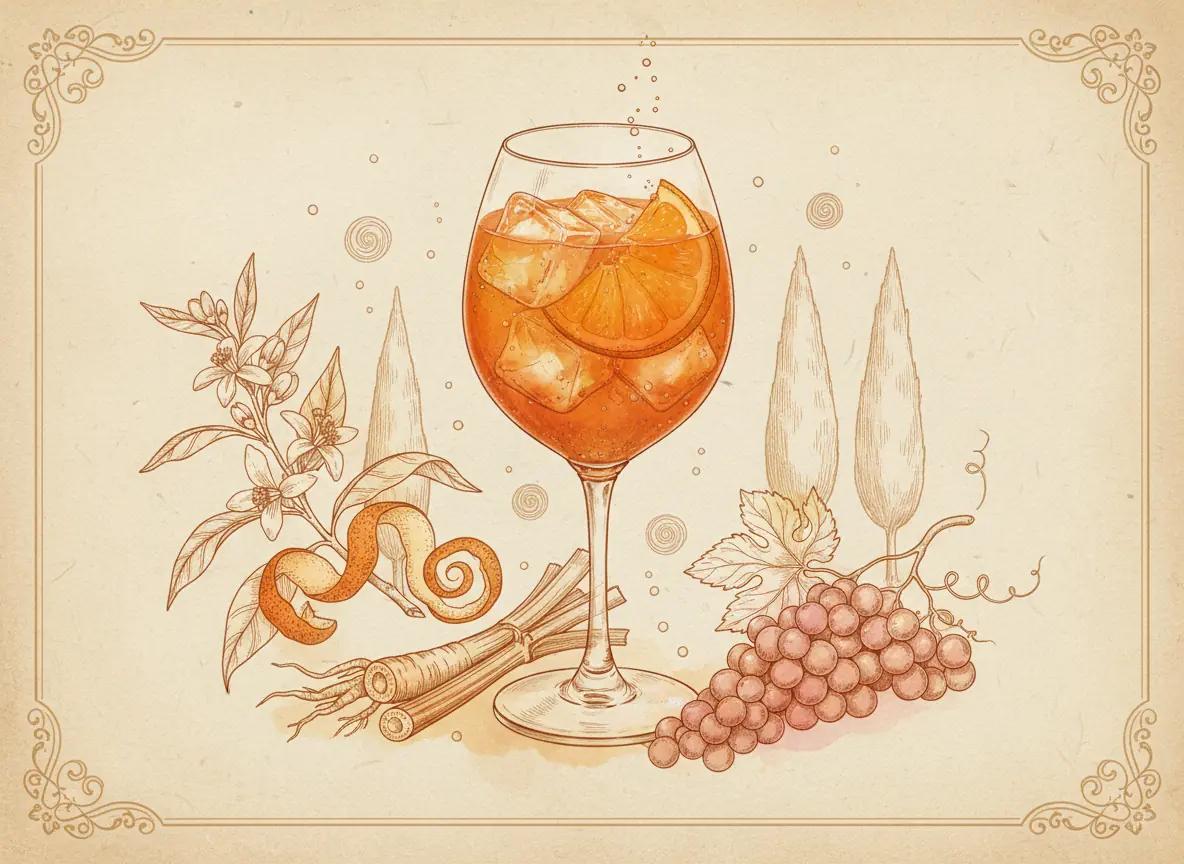
Aperol Spritz
The Aperol Spritz became the most ordered cocktail in the world during the 2010s, which was partly a marketing achievement and partly deserved. Built properly it is bright, bitter and genuinely refreshing. Built carelessly it is flat orange squash, and it is built carelessly a great deal. The format is older than the bottle. The spritz tradition comes from the Veneto, where Austrian soldiers under Habsburg rule diluted the strong local wine with water and called it spritzen, from the German for to splash. Bitter liqueurs joined later. Aperol arrived in 1919 and turned out to suit prosecco better than anything else did. The three to two to one ratio of prosecco, Aperol and soda was codified and marketed by Campari Group from the early 2000s, and it is not an arbitrary commercial decision. It is the proportion at which the prosecco still leads, the Aperol seasons without dominating, and the soda keeps the whole thing light.
Where this one sits
Recipe by Dan Freeman