Pink Gin & Tonic
The colour here comes from the tonic, not the gin, and that is the whole point of the drink. Aromatic tonic is tinted and flavoured with angostura bark, which means it carries the bitters into the glass ready-mixed — so what you are drinking is much closer to a genuine Royal Navy pink gin than most things sold under that name. The gin should be juniper-forward and unsweetened. Anything already pink and already sweet turns this into a sugary mess, because the tonic has brought the bitterness and the colour along on its own. Expect something drier and more bitter than the name suggests: cinchona from the tonic on one side, gentian and clove-like spice from the bark on the other, and juniper running underneath both. Orange peel over the top, expressed and dropped in. It is a bracing drink rather than a sweet one, and considerably more grown-up than the shelf of pink gins would lead anyone to expect.
Glassware: Highball Glass
Garnish: Orange Peel
Ingredients
150ml
Coloured and flavoured with angostura bark, which is what makes this a pink gin rather than a gin and tonic that happens to be pink. It brings bitterness and spice, so nothing else in the glass needs to.
50ml
A classic London Dry. The tonic is doing something assertive and a soft, floral, contemporary gin simply disappears underneath it. Avoid pink gin liqueurs entirely — they are sweetened, and the drink is already carrying enough.
Fill the glass
Cubed and plenty of it. Aromatic tonic goes medicinal as it warms, so the job of the ice is to keep the drink cold rather than to make it colder.
Instructions
Fill a highball glass with cubed ice.
Pour in the gin.
Top with the aromatic tonic, pouring down the side of the glass.
Express a strip of orange peel over the surface and drop it in.
Source: the producer's own published serve (Fever-Tree). Last checked 22 August 2026.
Expert Tip
Express the orange peel over the surface before you drop it in. Hold it skin-down about an inch above the drink and squeeze — you should see the oil break the surface. That oil is doing more work than the peel sitting in the glass ever will, and the difference between an expressed twist and a dropped one is obvious side by side. Chill the glass if you have thirty seconds. Aromatic tonic loses its edge as it warms and the bitterness turns from bracing to slightly medicinal. Do not add bitters. People see the colour and reach for the Angostura out of habit. The tonic has already brought them, and a dash on top pushes the drink from bitter into astringent.
Behind the Pink Gin & Tonic
Flavour Profile
Where It Comes From
Pink gin was originally gin and Angostura bitters, and it was medicine before it was a drink. Angostura was formulated in the 1820s by a German surgeon working in Venezuela, as a treatment for stomach complaints. The Royal Navy took it on for the same reason and mixed it with the gin already in the wardroom.
That is the drink this serve is reaching back to. The bitters have simply moved into the tonic.
What Pink Gin Means Now
Since about 2017 the phrase has meant something else entirely: a sweetened, fruit-flavoured, pink-coloured gin liqueur, usually berry-led and often well under the strength of a proper gin. It is a different product with the same name.
That matters here because using one turns this drink into something quite unlike itself. The tonic has brought colour and bitterness; a sweet pink gin brings sugar and more colour, and the result loses the bitter spine that makes the original worth drinking.
The serve calls for juniper-rich gin deliberately. It is the unsweetened half of a bitter drink.
Two Kinds of Bitter
There are two separate bitternesses in the glass and they sit in different places. Quinine from the cinchona in the tonic is clean and drying and arrives late, towards the back of the palate. The angostura bark is warmer and more aromatic — gentian, a clove-ish spice — and it arrives early.
Juniper bridges them. That is why a gin without much of it leaves the drink feeling like two separate halves that never quite meet.
More to explore
Frequently Asked Questions
Can I use a pink gin instead?
Is it actually bitter?
Why orange peel rather than lime?
You Might Also Like
Gin & Tonic
The Gin & Tonic is medicine that stayed for the party. Quinine, the bitter bark extract that treated malaria across the British Empire, was so foul in solution that officers of the East India Company cut it with sugar, soda and their gin ration, and by the 1850s the treatment had become the drink. Modern tonic still carries a token dose of the original prescription: the bitterness is heritage rather than flavouring. It is the most ordered mixed drink in Britain and among the least considered. Two ingredients and ice leave nothing to hide behind: the gin has to be worth tasting, the tonic has to be fresh and properly carbonated, and one part gin to two of tonic keeps the drink a partnership rather than a dilution. The Spanish rebuilt the serve in the 2000s as gastronomy, and the copa balloon full of ice is the standard here: more ice than seems polite, tonic down the glass wall, and a garnish chosen rather than assumed.
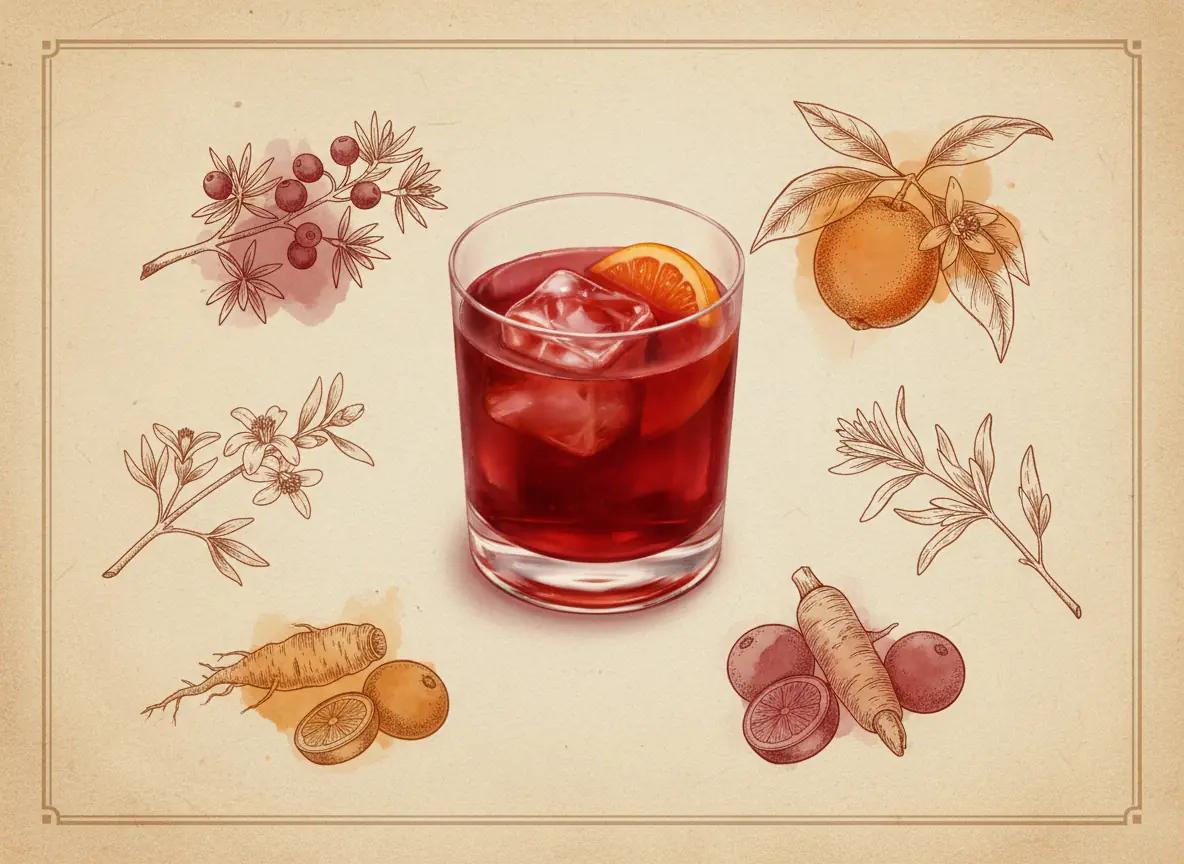
Negroni
The Negroni is the most ordered classic cocktail in the world and the drink that defined the contemporary revival. It is also one of the simplest: equal parts gin, Campari and sweet vermouth, stirred and served over ice with an orange peel. That simplicity is a function of how precisely the three are calibrated against one another. The story most commonly told places Count Camillo Negroni at the Caffè Casoni in Florence in 1919, asking Fosco Scarselli to strengthen his Americano by replacing the soda with gin. The account is debated; the structure is not. Both drinks share the same base of Campari and sweet vermouth, and that one substitution turns a sessionable aperitif into one of the most spirit-forward short drinks there is. The sweet vermouth is the most commonly neglected variable. At equal volume it is a third of the drink rather than a background ingredient, and a bottle left open at room temperature for months will define a Negroni more completely than the gin does, with no amount of good Campari correcting it.
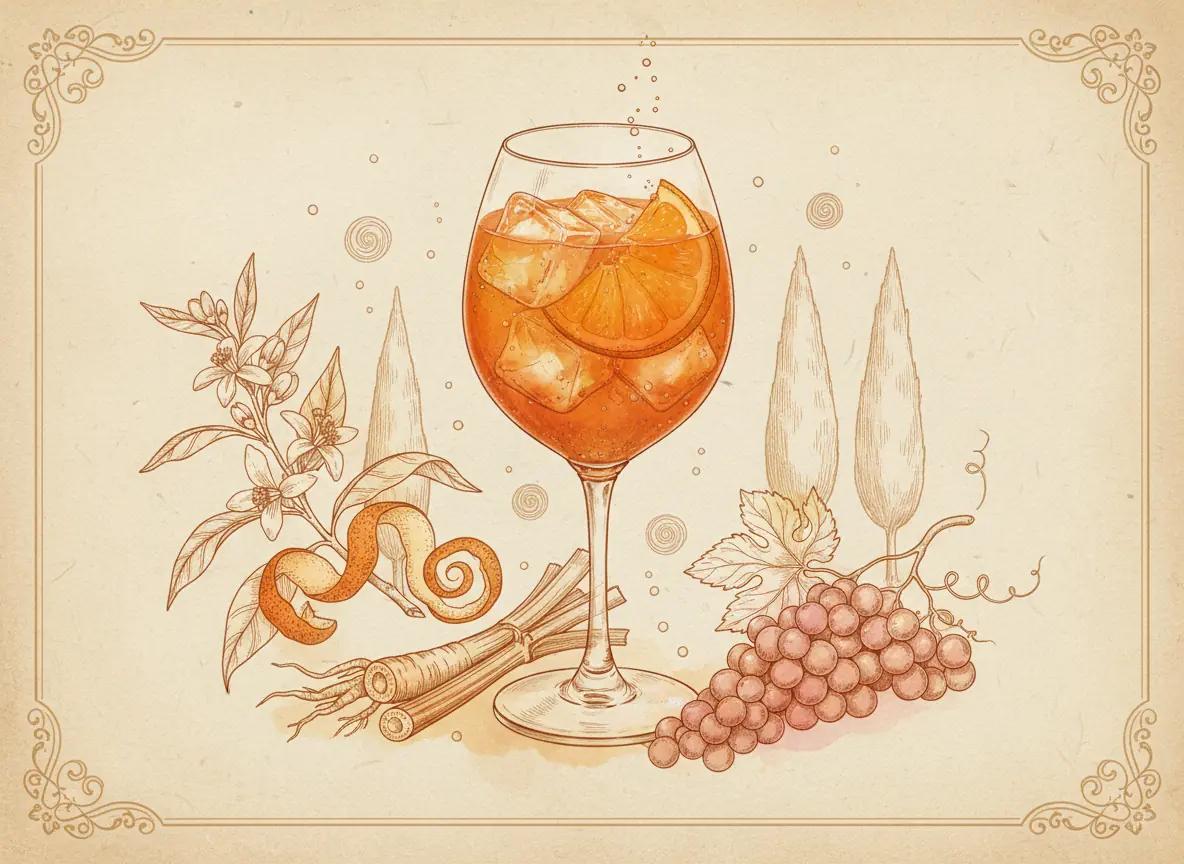
Aperol Spritz
The Aperol Spritz became the most ordered cocktail in the world during the 2010s, which was partly a marketing achievement and partly deserved. Built properly it is bright, bitter and genuinely refreshing. Built carelessly it is flat orange squash, and it is built carelessly a great deal. The format is older than the bottle. The spritz tradition comes from the Veneto, where Austrian soldiers under Habsburg rule diluted the strong local wine with water and called it spritzen, from the German for to splash. Bitter liqueurs joined later. Aperol arrived in 1919 and turned out to suit prosecco better than anything else did. The three to two to one ratio of prosecco, Aperol and soda was codified and marketed by Campari Group from the early 2000s, and it is not an arbitrary commercial decision. It is the proportion at which the prosecco still leads, the Aperol seasons without dominating, and the soda keeps the whole thing light.
Where this one sits
Recipe by Dan Freeman