The Daffodil
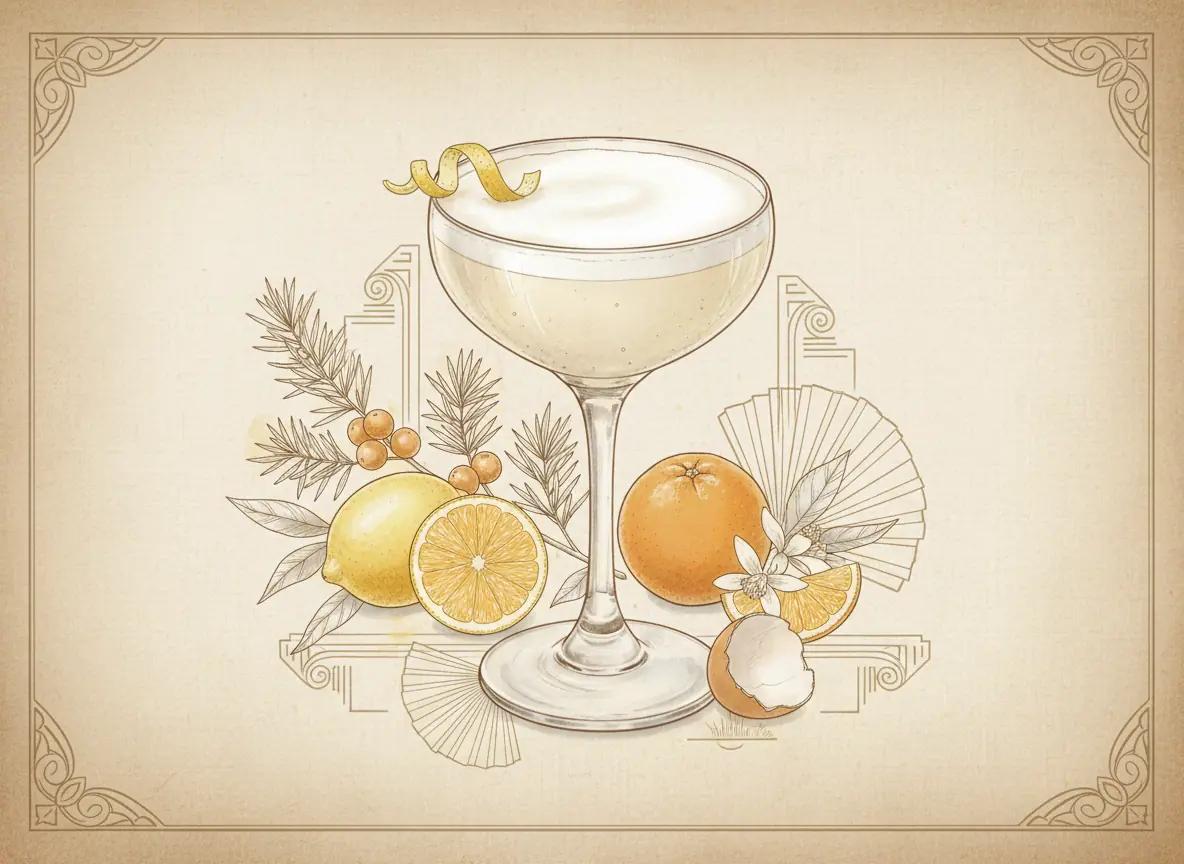
The Daffodil is 50ml of Welsh gin, 20ml of limoncello, 20ml of fresh lemon juice and 10ml of simple syrup, all shaken hard for 10 to 12 seconds and strained into a chilled coupe, with a lemon twist expressed over it and dropped in. About 2.6 UK units. It is our own serve for St David’s Day. Museum Wales says it is the custom on 1 March to wear a leek or a daffodil, two national emblems of Wales, and the drink is named for the daffodil and for its colour, a soft yellow from the limoncello. Most drinks on the day are built on Welsh whisky; this one gives the gin drinker a Welsh glass of their own. The two lemons do different work. Limoncello is lemon zest steeped in spirit and sweetened, so it brings the oil and the sugar; the fresh juice brings the acid. The syrup is the small adjustment between them, and the gin keeps it a cocktail rather than a lemonade.
Glassware: Coupe Glass
Garnish: Lemon twist expressed over the surface and dropped in
Ingredients
50ml
A Welsh gin at about 40% ABV, our working figure, such as Brecon Gin from Penderyn (40% ABV on its own page), a gin from Aber Falls or Pollination from the Dyfi Distillery. Any well-made gin works; a Welsh one keeps the drink on theme.
20ml
Lemon zest steeped in spirit and sweetened, usually about 28% ABV. It gives the drink its colour, the peel and most of the sugar. Keep it in the freezer.
20ml
Squeezed the same day. It answers the limoncello’s sugar with acid, so the drink tastes of lemon rather than of sweets.
10ml
Sugar and warm water, 1:1 by weight, cooled. At 10ml it is the fine adjustment; trim it, or leave it out, if the limoncello is sweet.
Instructions
Chill a coupe and squeeze the lemon juice the same day.
Add the Welsh gin, limoncello, lemon juice and simple syrup to a shaker.
Fill with cubed ice and shake hard for 10 to 12 seconds.
Double strain into the chilled coupe.
Express a lemon twist over the surface and drop it in.
Our version
Our own St David’s Day serve: a Welsh gin sour sweetened mostly with limoncello.
Source: our own specification. Last checked 10 October 2026.
Expert Tip
Taste the limoncello first. Brands range from sharp to syrupy. If yours is sweet, cut the simple syrup or leave it out, rather than adding more lemon juice. Keep everything cold. There is no ice in the glass, so take the coupe from the freezer, and keep the limoncello there too. Express the twist over the drink before dropping it in. The oil on the surface is the third lemon note, and the first thing you smell.
Behind the The Daffodil
Flavour Profile
A Serve for the First of March
St David’s Day falls on the first of March, the traditional date of the saint’s death, and people mark it by pinning on a daffodil or a leek. The Daffodil was written for that day: a yellow drink in a coupe, served while winter is still hanging on.
It is our own recipe, not an old one. The day’s other drinks lean on Welsh whisky; this gives the gin drinker an equal place at the table.
The Gin
Penderyn’s shop sells Brecon Gin, a juniper gin it says is distilled with Brecon Beacons water. Aber Falls lists a gin and vodka range beside its whisky, and the Dyfi Distillery lists Dyfi Original and Pollination among its gins and says it forages wild botanicals in the Dyfi Biosphere Reserve.
The drink is mostly citrus, so a gin with something floral or herbal of its own gives the middle of the sip something the lemons cannot. A plain London Dry works and gives a sharper glass.
Two Lemons and a Little Sugar
Limoncello carries the peel’s oil, the colour and most of the sugar. Fresh juice carries the acid. Set at 20ml each, they balance, and the 10ml of simple syrup is the fine adjustment between them.
Underneath is the sour family’s structure, the same bones as a White Lady, with most of the sweetness handed to a liqueur that is also a flavour.
The Daffodil Beside Its Relatives
The Daffodil beside the White Lady and the Limoncello Spritz
The Daffodil (ours)
- Base
- 50ml Welsh gin
- Sweetener
- 20ml limoncello, 10ml simple syrup
- Citrus
- 20ml lemon
- Serve
- Up, in a coupe
- UK units
- About 2.6
White Lady
- Base
- 40ml London Dry gin
- Sweetener
- 30ml triple sec
- Citrus
- 20ml lemon
- Serve
- Up, in a coupe
- UK units
- About 2.8
Limoncello Spritz
- Base
- 50ml limoncello
- Sweetener
- The limoncello itself
- Citrus
- None
- Serve
- Long, with 90ml prosecco and 30ml soda
- UK units
- About 2.4
| Drink | Base | Sweetener | Citrus | Serve | UK units |
|---|---|---|---|---|---|
| The Daffodil (ours) | 50ml Welsh gin | 20ml limoncello, 10ml simple syrup | 20ml lemon | Up, in a coupe | About 2.6 |
| White Lady | 40ml London Dry gin | 30ml triple sec | 20ml lemon | Up, in a coupe | About 2.8 |
| Limoncello Spritz | 50ml limoncello | The limoncello itself | None | Long, with 90ml prosecco and 30ml soda | About 2.4 |
How to Serve It
Shaken, strained into a coupe from the freezer, with the lemon twist expressed over the top and dropped in. Serve it first on the day, before the whisky drinks. It is bright and short, and it suits any early spring afternoon as well as the first of March.
For the gin sour with orange liqueur, a White Lady; for limoncello made long with prosecco, a Limoncello Spritz.
Make it at home
The Spirit
GinGin is a spirit flavoured with juniper berries. Under the retained Regulation (EC) 110/2008, juniper must lead the taste, the floor is 37.5% ABV, and the route the flavour takes sets the grade: plain gin, distilled gin or London gin. Our recipes count it at 40%, and it carries the Martini, the Negroni and the Gin and Tonic.
More to explore
Frequently Asked Questions
What is in The Daffodil?
Which Welsh gin should I use?
Is limoncello plus lemon juice too much lemon?
My limoncello is very sweet. What should I change?
Where does the name The Daffodil come from?
What else suits St David’s Day?
How strong is The Daffodil?
Sources.
Correct as of 19 October 2026.
- Museum Wales, “St David’s Day in Wales: History, Traditions and Symbols” (national museum: St David’s Day on 1 March; the custom on that day to wear either a leek or a daffodil, two national emblems of Wales).
- Penderyn, “Brecon Gin 70cl” (maker’s own shop page: “a big, traditional juniper gin distilled with Brecon Beacons water and botanicals from four corners of the world”; 40% ABV).
- Aber Falls, “Aber Falls Distillery” (maker’s own site: shop sections for whisky, gin and vodka, cream liqueurs).
- Dyfi Distillery, “Dyfi Distillery” (maker’s own site: Dyfi Original Gin; Pollination Dovey Native Botanical Gin PGI; “wild botanicals foraged in the Dyfi Biosphere Reserve”).
You Might Also Like
White Lady
A White Lady is 40ml of London Dry gin, 30ml of Cointreau and 20ml of fresh lemon juice, shaken hard with ice for 10 to 12 seconds and double strained into a chilled coupe, with lemon peel expressed over the top. About 2.8 UK units. Those are the IBA’s measures, and there is no egg white in them. The name is older than the recipe. Difford’s Guide, a secondary source, says Harry MacElhone gave it in 1919, at Ciro’s Club in London, to a drink of brandy, crème de menthe and Cointreau. The gin, Cointreau and lemon version is credited to his rebuild at Harry’s New York Bar in Paris in 1929, though Difford’s says most dispute that, and The Savoy Cocktail Book printed it in 1930, also without egg. Egg white came later: Difford’s Guide finds the earliest recipe with it in The Sacramento Bee of 1936. It makes a softer, foamed drink, given here as a variation. The plain version is sharp and dry, the gin in front and the orange behind it.
Limoncello Spritz
A Limoncello Spritz is 50ml of limoncello from the freezer, 90ml of brut prosecco and 30ml of soda water, built over ice in a copa or large wine glass, stirred once and finished with a lemon wheel and a sprig of mint. About 2.4 UK units, taking the limoncello at 28% ABV. It follows the spritz pattern of liqueur, sparkling wine and soda, with a sweet lemon liqueur where the Aperol Spritz has a bitter orange one. That makes the soda and a dry prosecco more important here: they are all that keeps the sugar in check. Limoncello is lemon zest steeped in alcohol, then sweetened, and in southern Italy it is poured ice-cold after dinner. The spritz moves it to the start of the evening.
Where this one sits
Recipe by Jerry Can Spirits · Updated 19 October 2026