Vodka Martini
A Vodka Martini is 60ml of vodka and 10ml of dry vermouth, stirred over ice for 20 to 30 seconds and poured into a frozen Martini glass and finished with a lemon twist or green olives. It is our gin Martini made on vodka, at the same six to one, and about 2.6 UK units. Without juniper, the vermouth is the only aromatic left, so a little of it goes a long way. Cold and texture do more of the work, which is why the vodka and the glass both belong in the freezer. James Bond made it famous, though not quite as people remember. Difford’s Guide says the drink Fleming wrote into Casino Royale is the Vesper, and the Los Angeles Review of Books says the first martini Bond drinks is in Diamonds Are Forever, in 1956, though he does not state his preferred method until Dr. No, in 1958.
Glassware: Martini Glass
Garnish: Lemon twist or green olives
Ingredients
60ml
Rye or wheat vodka at 40% ABV, kept in the freezer. Almost everything in the glass is vodka, so its texture and grain show here more than in any other vodka drink.
10ml
Dry vermouth in the French style, around 18% ABV, which we use within four weeks of opening and store cold. In our view Dolin Dry keeps the drink clean and Noilly Prat adds more herbs.
Instructions
Put the Martini glass, and ideally the vodka, in the freezer an hour ahead.
Add the vodka and dry vermouth to a mixing glass.
Fill with large cubed ice and stir for 20 to 30 seconds.
Strain into the frozen glass.
Express a lemon twist over the surface, or add green olives on a pick.
Expert Tip
Freeze the vodka and the glass. With no botanicals to taste, cold and texture carry the drink, and a vodka poured from the shelf needs more stirring and more water to get there. Pick a vodka with some character. A rye or wheat vodka gives the drink weight and a faint grain sweetness; a heavily filtered one leaves it thin. Keep the vermouth at 10ml and keep it fresh. In our experience it is the only flavour beside the spirit, so an opened bottle that has sat warm for weeks shows at once.
Behind the Vodka Martini
Flavour Profile
Where It Comes From
Difford’s Guide says the earliest known reference to the Vodka Martini is in Ted Saucier’s Bottoms Up, in 1951. In our view putting vodka where the gin went in a Martini was an obvious step.
Fleming’s Bond helped. He drinks vodka Martinis in several of the novels, and the films made his order famous, though the drink he names in Casino Royale is the Vesper, a gin drink with a measure of vodka in it.
What Changes Without Juniper
In a gin Martini the vermouth meets juniper, citrus peel and the other botanicals of the gin. With vodka there is nothing for it to meet, and it becomes the only flavour beside the spirit.
That is why the measure stays small. One part in seven, the vermouth gives a dry, herbal edge; much more than that, over a neutral spirit, starts to taste of wine.
The garnish matters more for the same reason. In a drink this plain, a lemon twist or an olive changes the taste out of all proportion to its size.
The Bond Question
The famous order arrived in stages. The Los Angeles Review of Books puts the first martini Bond drinks in Diamonds Are Forever, published in 1956, with his stated preference for shaken and not stirred following in Dr. No in 1958. On screen, the Los Angeles Review of Books says, a waiter and the villain say it in Dr. No in 1962, and Bond himself not until Goldfinger in 1964.
Shaking chills harder and whips in air, which clouds the drink and lightens its texture. Stirring leaves it clear and heavier on the tongue.
Choosing the Vodka
Vodkas differ in texture and in the faint flavour of what they were made from. In a Bloody Mary none of that survives; in a Vodka Martini it decides the drink.
Rye vodka tends to be spicy and full, wheat vodka soft and slightly sweet, and potato vodka heavier. The most heavily filtered bottles make a thin, hollow drink.
The Martini Family
The Vodka Martini beside its relations; the units are our calculation at our working strengths, with Lillet Blanc at 17%, the figure on Pernod Ricard’s product page
Vodka Martini
- Spec
- 60ml vodka, 10ml dry vermouth
- Method
- Stirred
- UK units
- About 2.6
Martini
- Spec
- 60ml gin, 10ml dry vermouth
- Method
- Stirred
- UK units
- About 2.6
Vesper
- Spec
- 45ml gin, 15ml vodka, 7.5ml Lillet Blanc
- Method
- Shaken
- UK units
- About 2.5
Gibson
- Spec
- 60ml gin, 30ml dry vermouth
- Method
- Stirred
- UK units
- About 2.9
| Drink | Spec | Method | UK units |
|---|---|---|---|
| Vodka Martini | 60ml vodka, 10ml dry vermouth | Stirred | About 2.6 |
| Martini | 60ml gin, 10ml dry vermouth | Stirred | About 2.6 |
| Vesper | 45ml gin, 15ml vodka, 7.5ml Lillet Blanc | Shaken | About 2.5 |
| Gibson | 60ml gin, 30ml dry vermouth | Stirred | About 2.9 |
The gin original is the Martini, at the same measures. The Vesper is the shaken drink Bond named, with gin and vodka together.
How to Serve It
From a frozen glass, with no ice, drunk while it is still very cold. Express the twist over the surface or drop in the olives, and hand it over at once; a Vodka Martini that has warmed has little left to offer.
Make it at home
The Spirit
VodkaVodka is spirit made from a farmed crop, usually grain or potatoes, distilled and refined so that the taste of that crop is deliberately reduced. Under the retained Regulation (EC) 110/2008 its minimum is 37.5% ABV and it may not be given a predominant flavour, which separates it from flavoured vodka and from gin; our recipes count it at 40%. In a mixed drink it adds strength and body while the other ingredients carry the taste.
More to explore
Frequently Asked Questions
What is in a Vodka Martini?
Shaken or stirred?
Did James Bond drink Vodka Martinis?
How strong is a Vodka Martini?
Does the vodka brand matter?
Twist or olives?
How is it different from a gin Martini?
Sources.
Correct as of 19 October 2026.
- Los Angeles Review of Books (Robert Slayton), “James Bond’s Martini: A Theory” (secondary source, named author: the first martini Bond drinks is in Diamonds Are Forever (1956); he states his preferred method in Dr. No (1958), “shaken and not stirred”; on screen in Dr. No (1962) by a waiter and the villain, by Bond himself first in Goldfinger (1964)).
- Difford’s Guide, “Vesper Dry Martini” (secondary source: the Vesper created by Ian Fleming in Casino Royale (1953); the earliest known reference to the Vodka Martini in Ted Saucier’s Bottoms Up the year before Fleming wrote the Vesper).
- Pernod Ricard, “Lillet” (producer group’s product page: Lillet Blanc 17%).
You Might Also Like
Martini
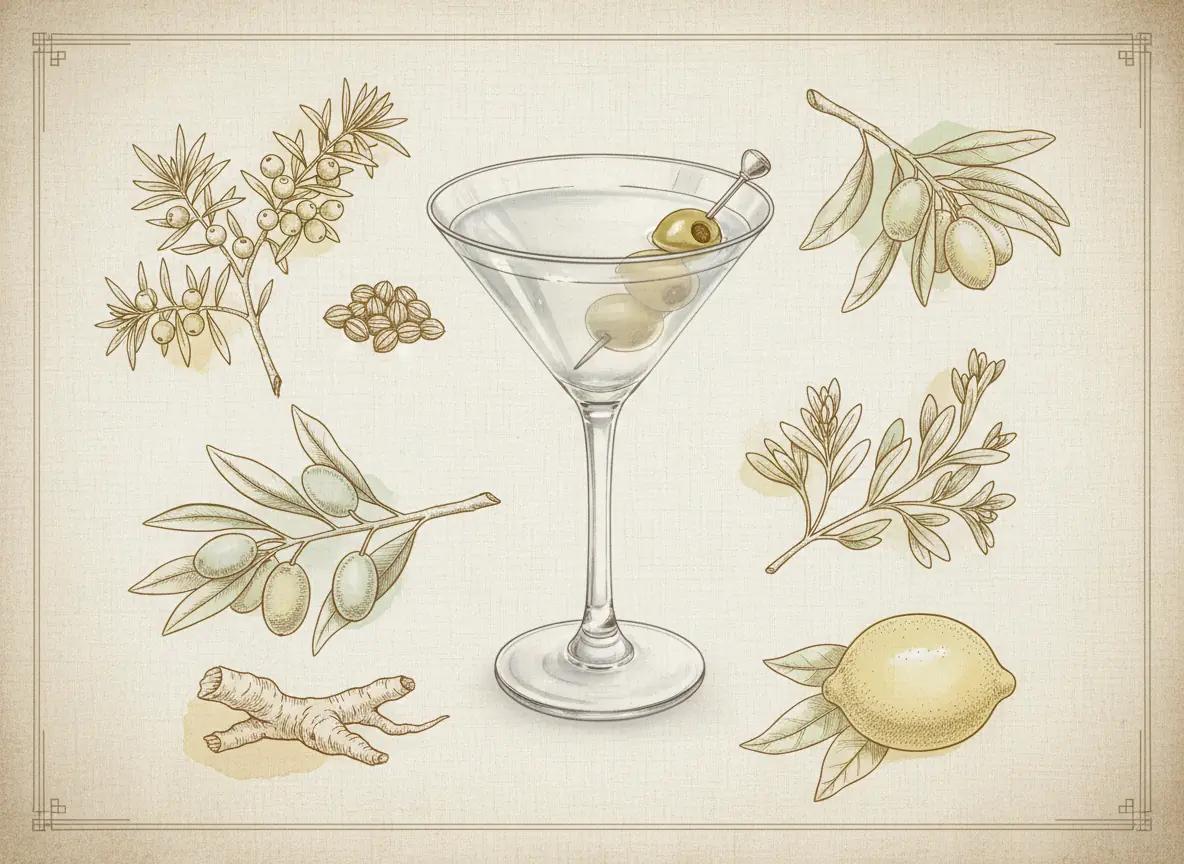
A Martini is 60ml of gin and 10ml of dry vermouth, stirred over ice for 20 to 30 seconds and strained into a chilled Martini glass, with oil from a strip of lemon peel expressed over the top, or green olives if you prefer them. That is the IBA’s Dry Martini, a six-to-one build, and about 2.6 UK units. At six to one the vermouth stops being a partner and becomes a seasoning: a dry wine note and a rounder finish under the juniper. Older recipes were far wetter, and the drink has been poured at every ratio from equal parts to a bare rinse. Nothing in a Martini is sweet or sour: it is gin, vermouth, cold and water. The stir supplies the last two, so it shapes the result as surely as the gin.
Vesper
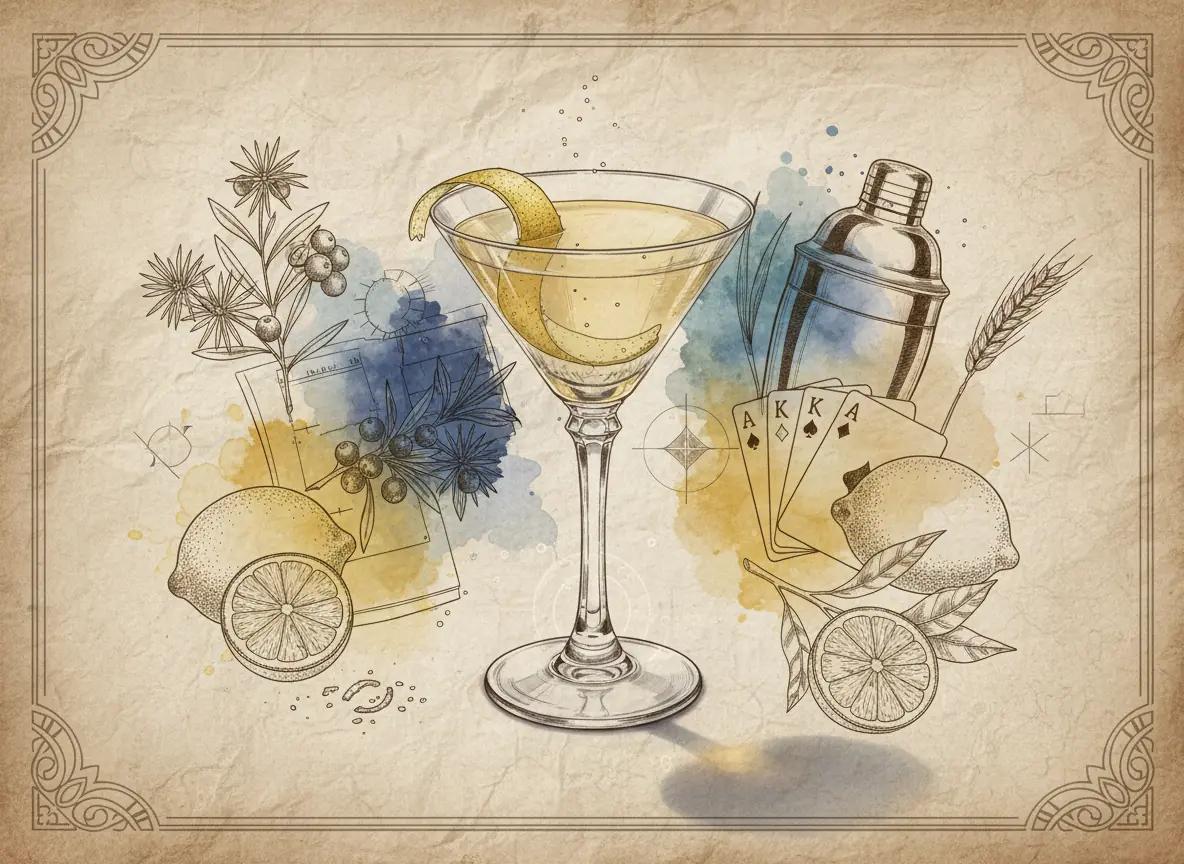
A Vesper is 45ml gin, 15ml vodka and 7.5ml Lillet Blanc, shaken hard and strained into a chilled glass, with a large thin slice of lemon peel. That is the IBA specification, and it keeps the proportions Ian Fleming gave in Casino Royale in 1953: three measures of gin, one of vodka, half a measure of Kina Lillet. About 2.5 UK units. Kina Lillet is now sold as Lillet Blanc, and Difford’s Guide says the brand dropped Kina from the name in 1986. Accounts differ on the quinine: Difford’s Guide says it was dramatically reduced that year, DrinkBoy says it never changed, and the Oxford Companion to Spirits and Cocktails, citing Olivier Londeix’s history of Lillet, says the bitterness fell in 1917. In our view Lillet Blanc makes a softer, cleaner drink. Cocchi Americano, which lists cinchona bark among its ingredients on Cocchi’s own page, makes a more bitter Vesper in our experience, and it follows as a variation at the same measure. Bond named the drink after Vesper Lynd, the double agent at the centre of the novel. The Oxford Companion to Spirits and Cocktails says Fleming inscribed a copy of the book to his friend Ivar Bryce, “For Ivar, who mixed the first Vesper”, and that Bryce recalled making the drink with Fleming’s help. It has lasted in real bars under her name.
Vodka Gimlet
A Vodka Gimlet is 60ml vodka and 22.5ml lime cordial, stirred over ice for 20 to 30 seconds and strained into a chilled coupe, then finished with a lime wheel. This is the Gimlet with vodka in place of gin, at the same measures, and comes to about 2.4 UK units. With no juniper, the cordial leads. The drink tastes of preserved lime: rounder than fresh juice, sweet at the edges and faintly bitter from the peel. Both bottles have to be good, because the glass holds nothing else. The Oxford Companion puts the name in print in 1922, with gin, and says vodka eventually supplanted gin in many late-twentieth-century Gimlets. For a sharper drink, shake the vodka with fresh lime and syrup instead.
Where this one sits
Recipe by Jerry Can Spirits · Updated 19 October 2026