Harvard
A Harvard is equal measures of cognac and sweet vermouth, 45ml each, with two dashes of Angostura and an optional 5ml of grenadine, stirred for 20 to 30 seconds, strained into a chilled coupe and finished with a lemon twist. About 2.6 UK units. George Kappeler printed it in Modern American Drinks in 1895: brandy and Italian vermouth in equal measure, a dash of gum syrup and three dashes of Angostura, mixed with ice, strained and filled up with seltzer. Ours leaves out the seltzer for a richer, stiller drink, and the soda is worth trying once. Made this way it is a Manhattan on cognac, with the vermouth raised to equal. That makes it softer and lower in alcohol than its parent, with fruit and oak from the grape spirit where the Manhattan has the spice of rye.
Glassware: Coupe Glass
Garnish: Lemon twist
Ingredients
45ml
A VS or VSOP at 40% ABV. Half the drink: its fruit and oak meet the vermouth at equal volume, where a Manhattan gives the whiskey the larger share.
45ml
A Torino-style sweet vermouth at around 16% ABV, opened within the month and kept in the fridge. At half the glass, a stale bottle decides the drink.
5ml
Optional, and kept to 5ml. Made from pomegranate, it adds colour and a little fruit; Kappeler used a dash of gum syrup instead.
2 dashes
Two dashes, against Kappeler’s three. With sweet vermouth at half the volume, the bitters are what keep the finish dry.
Instructions
Chill a coupe in the freezer.
Add the cognac, sweet vermouth, grenadine if using, and bitters to a mixing glass.
Fill with cubed ice and stir for 20 to 30 seconds.
Strain into the chilled coupe.
Express a lemon twist over the surface and drop it in.
Our version
George Kappeler’s 1895 recipe sweetens with a dash of gum syrup, takes three dashes of Angostura and is filled up with seltzer. Ours keeps the equal cognac and sweet vermouth at 45ml, makes 5ml of grenadine optional, uses two dashes and is served still.
Source: our own specification. Last checked 9 October 2026.
Expert Tip
Stir for 20 to 30 seconds. Two equal halves, one of them wine, need the dilution of a proper stir to join; under-stirred, the cognac and the vermouth taste side by side rather than together. Keep the grenadine to 5ml, or leave it out. Kappeler sweetened with a dash of gum syrup. Grenadine adds colour and a little fruit, and any more starts to sweeten a drink that already holds 45ml of sweet vermouth. For Kappeler’s 1895 version, strain it into a larger glass and top with a splash of cold soda. It lifts the aromatics and makes a lighter drink before dinner.
Behind the Harvard
Flavour Profile
Where It Comes From
George Kappeler printed the Harvard in Modern American Drinks in 1895. The Oxford Companion says his publishers identified him as head barkeeper at the Holland House, one of New York’s most modern and elegant hotels. Kappeler’s recipe, on page 36 of the scan, is half a jigger each of brandy and Italian vermouth, a dash of gum syrup and three dashes of Angostura, mixed with ice, strained into a cocktail glass and filled up with seltzer.
The same book carries a Yale Cocktail and a Princeton Cocktail, both made on Tom gin, as the scan reads.
The Equal Split
In a Manhattan the whiskey has two parts to the vermouth’s one, and the vermouth seasons it. In the Harvard the two are equal, so the drink is softer, lower in alcohol and leans on the wine.
That works because cognac leans into sweet vermouth where rye pushes against it. Grape spirit and fortified wine share their fruit, and the Angostura stops the pair going soft together.
The Soda Question
Kappeler’s seltzer turns the drink towards an aperitif: lighter and brighter, and gentler in each sip. Served still it is richer and closer to a Manhattan. Ours is still; make Kappeler’s 1895 version once with a splash of cold soda and decide.
Kappeler’s Harvard and Ours
Kappeler’s 1895 Harvard beside ours
Brandy
- Kappeler, 1895
- Half a jigger
- Ours
- 45ml cognac
Vermouth
- Kappeler, 1895
- Half a jigger of Italian
- Ours
- 45ml sweet
Sweetener
- Kappeler, 1895
- A dash of gum syrup
- Ours
- 5ml grenadine, optional
Bitters
- Kappeler, 1895
- Three dashes of Angostura
- Ours
- Two dashes of Angostura
Finish
- Kappeler, 1895
- Filled up with seltzer
- Ours
- None; served still
Glass
- Kappeler, 1895
- Cocktail glass
- Ours
- Chilled coupe, lemon twist
| Element | Kappeler, 1895 | Ours |
|---|---|---|
| Brandy | Half a jigger | 45ml cognac |
| Vermouth | Half a jigger of Italian | 45ml sweet |
| Sweetener | A dash of gum syrup | 5ml grenadine, optional |
| Bitters | Three dashes of Angostura | Two dashes of Angostura |
| Finish | Filled up with seltzer | None; served still |
| Glass | Cocktail glass | Chilled coupe, lemon twist |
Cognac as a Cocktail Base
Cognac brings fruit, oak and a rounded weight that whiskey lacks. It tastes sweeter without carrying more sugar, which is why the Harvard needs so little sweetening beyond its vermouth.
How to Serve It
Up and cold in a chilled coupe, with a lemon twist expressed over the top. It sits where a Manhattan does, before or after dinner.
For the same frame on dry vermouth, make a Metropole; on rye, a Manhattan; for cognac shaken with orange liqueur and lemon, a Sidecar.
Make it at home
The Spirit
CognacCognac is a grape spirit distilled twice from white wine in copper pot stills in the Cognac area of western France and, under INAO’s specification, aged at least two years in oak and sold at no less than 40% ABV. The letters on the label are minimum ages, by the BNIC’s account: VS at least two years, VSOP four, XO ten. A VS or VSOP is what our cocktails assume.
Master the Techniques
More to explore
Frequently Asked Questions
What is a Harvard cocktail?
Where does the Harvard come from?
Should a Harvard have soda?
Why equal parts, not two to one like a Manhattan?
How is a Harvard different from a Metropole?
How strong is a Harvard?
Sources.
Correct as of 19 October 2026.
- George J. Kappeler (1895), Internet Archive, “Modern American Drinks” (primary source, p. 36: Harvard Cocktail. One dash gum-syrup, three dashes Angostura bitters, half-jigger Italian vermouth, half-jigger brandy in half a mixing-glass of fine ice. Mix, strain into cocktail-glass, fill up with seltzer. The Yale Cocktail (Tom gin, orange bitters, Peychaud) and the Princeton Cocktail (Tom gin, orange bitters, port) are in the same book).
- The Oxford Companion to Spirits & Cocktails (Spirits & Distilling), “Kappeler, George J.” (secondary source (David Wondrich): his publishers identified him as “head barkeeper at the Holland House”, one of New York’s most modern and elegant hotels; nothing else is known of him).
You Might Also Like
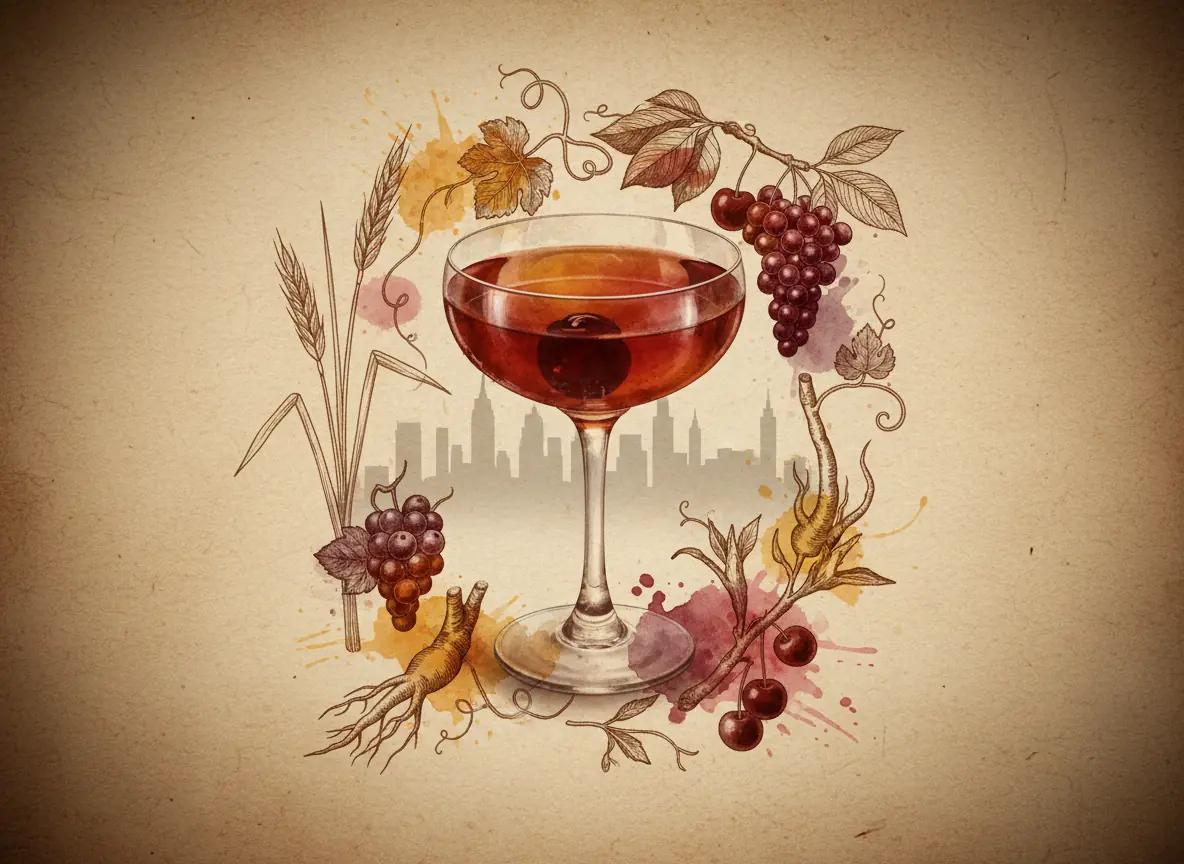
Manhattan
The IBA specifies 50ml of rye whiskey, 20ml of sweet vermouth and a dash of Angostura bitters, strained into a chilled glass with a cocktail cherry; we stir it over ice for 20 to 30 seconds and serve it in a coupe. That is five parts whiskey to two of vermouth. About 2.3 UK units. The Oxford Companion says the most commonly told story puts it at New York’s Manhattan Club on 29 December 1874, at a testimonial dinner for Samuel J. Tilden, later retold with Jennie Jerome, Lady Randolph Churchill, as host or inspiration, and calls that story simply not true: she had given birth to Winston Churchill in Oxfordshire less than a month earlier. The Companion names O. H. Byron’s Modern Bartenders’ Guide among the bar books that printed the drink in 1884, and we read Byron’s and Charlie Paul’s books of that year in the Internet Archive scans. With so little in the glass, the vermouth decides it. Twenty millilitres is over a quarter of the drink, and a bottle opened months ago tastes flat and sour against the rye. We keep it in the fridge and replace it within about four weeks.
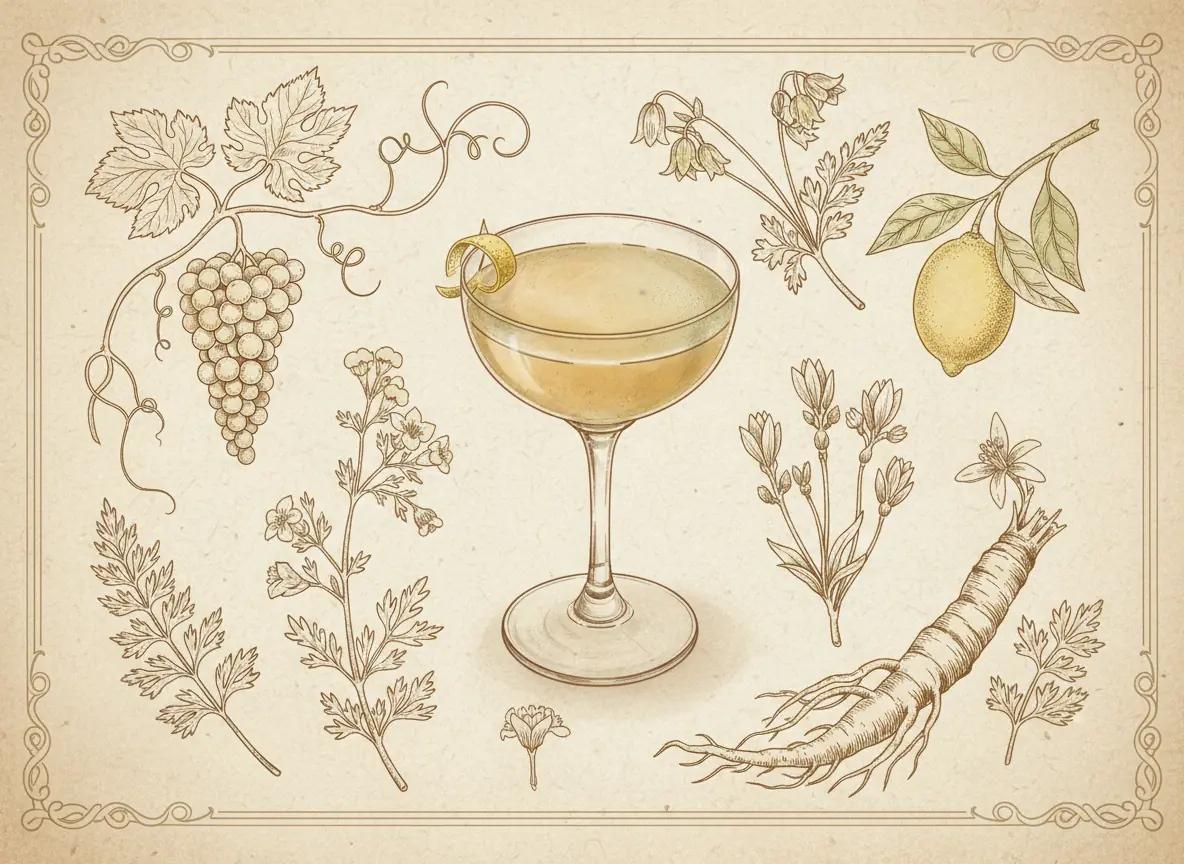
Champs-Élysées
A Champs-Élysées is 45ml of cognac, 15ml of green Chartreuse, 20ml of fresh lemon juice, 10ml of sugar syrup and a dash of Angostura, shaken hard with ice for 10 to 12 seconds and double strained into a chilled coupe, finished with an expressed lemon twist. About 2.6 UK units. Difford’s Guide gives the earliest known recipe as the one in Drinks, Long and Short by Nina Toye and A. H. Adair, published in 1925: three parts brandy, one of Chartreuse and one and a half of sweetened lemon juice, with a dash of Angostura. Our measures keep the three to one of brandy to Chartreuse and split the sweetened lemon into fresh juice and syrup. It reads as a Sidecar with green Chartreuse in place of the orange liqueur. Chartreuse is 55% ABV on its own page and, in our view, intensely herbal, so even a small measure changes the whole drink: the cognac and lemon are still there, under a layer of mountain herbs.
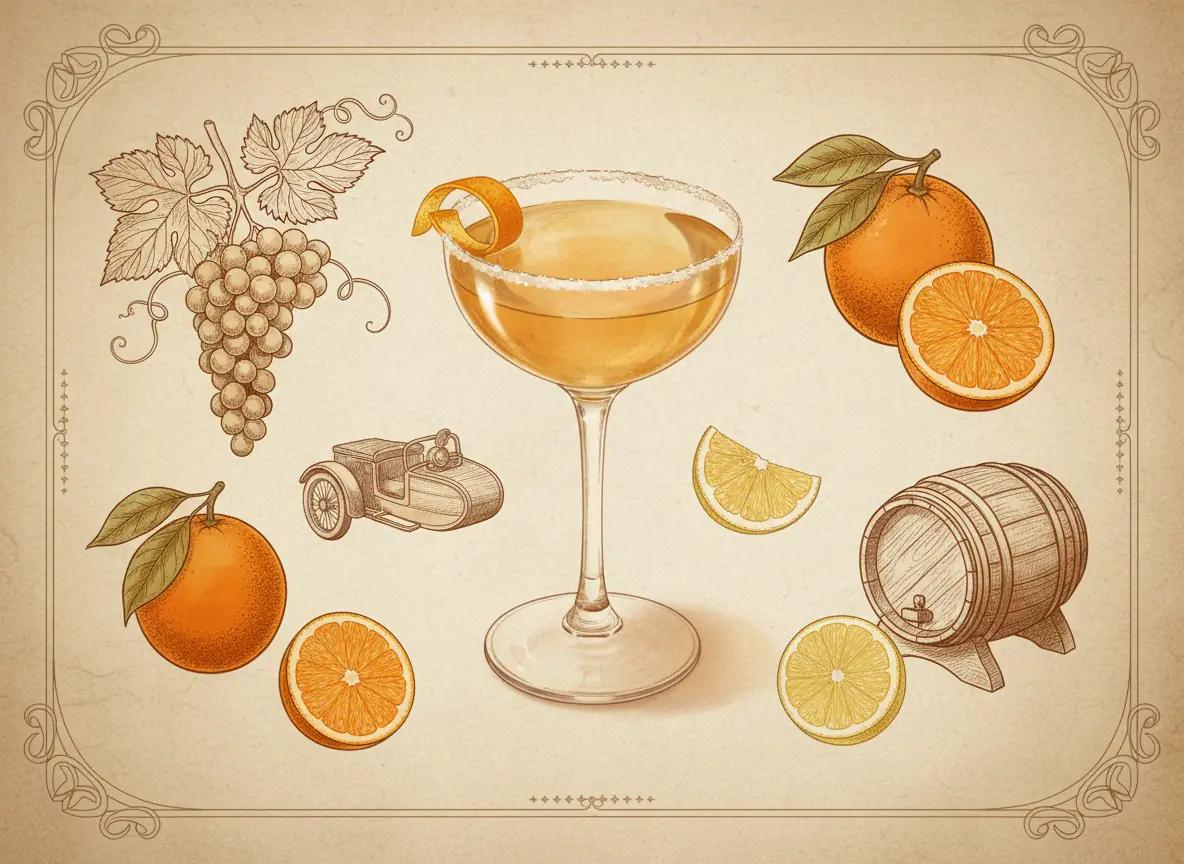
Sidecar
A Sidecar is a cognac sour: 50ml cognac, 20ml Cointreau or another triple sec and 20ml fresh lemon juice, shaken hard and double strained into a chilled coupe under an expressed strip of lemon peel. The IBA gives these measures, which put the cognac at two and a half parts to one each of orange and lemon. The Oxford Companion dates the first printed recipes to 1922, in Robert Vermeire’s Cocktails: How to Mix Them in May and Harry MacElhone’s Harry’s ABC of Mixing Cocktails at the end of the year, both at equal parts by Difford’s Guide. Both named Pat MacGarry of Buck’s Club in London; Difford’s says later editions of MacElhone’s book appear to take the credit for himself. The sugared rim came later: the earliest mention we have read is a 1932 American book, and the Oxford Companion says the drink has often been served with one since the 1930s. Ours has no rim. Each Sidecar carries about 2.8 UK units.
Where this one sits
Recipe by Jerry Can Spirits · Updated 19 October 2026