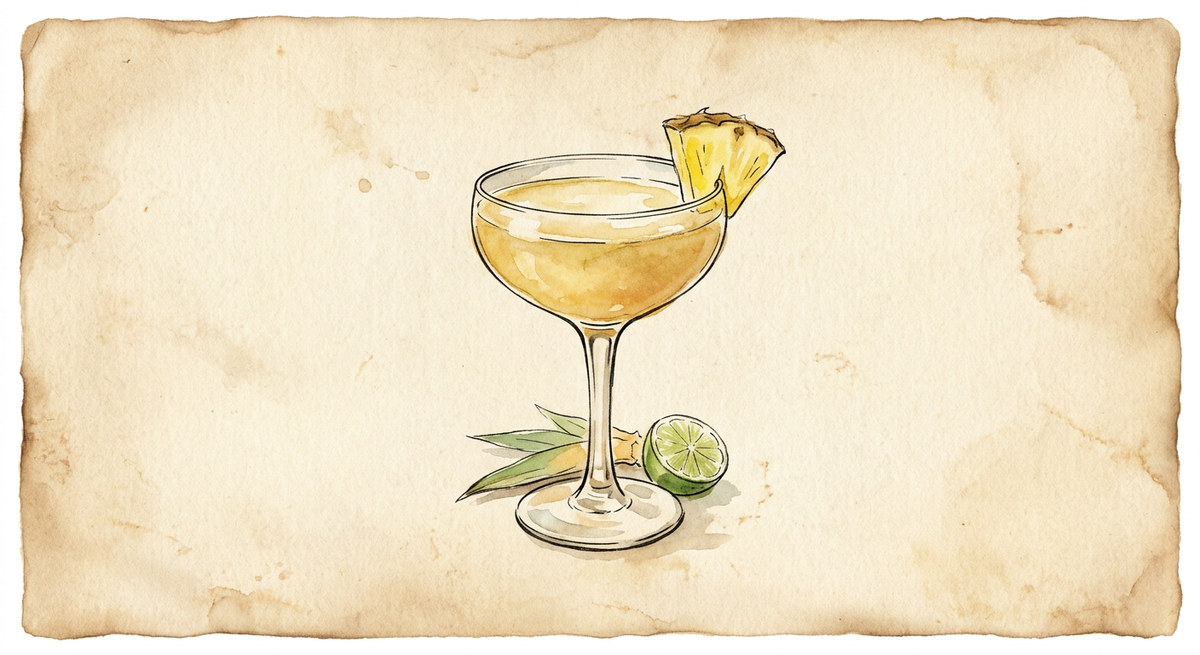
Hotel Nacional
A Hotel Nacional is 45ml of gold rum, 45ml of fresh pineapple juice, 15ml of fresh lime juice and 5ml of dry apricot brandy, shaken hard with cracked ice for 10 to 12 seconds and strained into a chilled coupe. It is Charles H. Baker’s 1939 recipe, with his jigger taken as 45ml, his teaspoon as 5ml and the juice of half a lime as 15ml. About 2.0 UK units. It is a pineapple daiquiri with a trace of stone fruit underneath, and no sugar but the pineapple’s own. The dry apricot brandy is a teaspoon, a kernel note under the fruit rather than a flavour in front of it. The lime keeps it a sour rather than a fruit cup. The name is the Hotel Nacional de Cuba’s, which the Oxford Companion calls Havana’s grandest luxury resort when it opened in 1930, and Difford’s Guide lists the drink as the Hotel Nacional Special. Baker credits Wil P. Taylor, the hotel’s manager from 1931 to 1933; Difford’s adds that Eddie Woelke and Fred Kaufman have been credited too.
Glassware: Coupe Glass
Garnish: Pineapple wedge optional; Baker names no garnish
Ingredients
45ml
Baker’s Carta de Oro Bacardi, one jigger, which his book defines as 1½ oz level full and we take as 45ml. He chose the gold label because Carta Blanca “is so delicate in flavour it barely comes through any rich drink”. Any lightly aged gold rum at 40% ABV does the same job.
45ml
One jigger in Baker’s recipe, taken as 45ml. Pressed or blended from a ripe pineapple and strained the same day. Its proteins make the foam under a hard shake; carton juice is heat-treated and does not.
15ml
Half a lime in Baker’s recipe, taken as 15ml of juice. Squeezed the same day. With no sugar in the glass, the lime is the only thing holding the pineapple’s sweetness back.
5ml
One teaspoon in Baker’s recipe, taken as 5ml. His word is dry, which we read as an unsweetened apricot spirit, so a dry apricot eau de vie at about 40% ABV is the nearest bottle. The sweet apricot liqueur most recipes mean is a different product, covered on the apricot brandy page.
Instructions
Squeeze the lime, and press or blend and strain the pineapple, the same day.
Add the gold rum, pineapple juice, lime juice and dry apricot brandy to a shaker.
Fill with cracked ice and shake hard for 10 to 12 seconds.
Strain into a chilled coupe.
Garnish with a pineapple wedge on the rim, if you like.
Source: Difford's Guide (Charles H. Baker Jr., The Gentleman’s Companion, Volume II (1939), p. 78, which Difford’s Guide also prints: his jigger (1½ oz) taken as 45ml, a teaspoon as 5ml and the juice of half a lime as 15ml; shake time, strain and garnish ours). Last checked 19 October 2026.
Expert Tip
Use fresh pineapple juice and shake it hard. Fresh juice foams, and the foam is a large part of the drink’s texture; carton juice has been heat-treated, barely foams and tastes cooked beside it. Taste the pineapple before you build. Baker’s recipe has no syrup, so the fruit is the only sweetness, and an underripe pineapple makes a sharp glass. A ripe one needs nothing; an underripe one may want 5ml of simple syrup. Keep the apricot to the teaspoon. At 5ml the dry spirit is a note under the fruit. In our experience a sweet apricot liqueur at 15ml, as in Difford’s Guide’s current version, makes a rounder, sweeter drink.
Behind the Hotel Nacional
Flavour Profile
A Havana Hotel and Its Special
The Oxford Companion, in an entry by Jeff Berry, calls the Hotel Nacional de Cuba Havana’s grandest luxury resort when it opened in 1930, and the Hotel Nacional the house drink there. Difford’s Guide says a hotel opening off the US coast at the height of Prohibition attracted some of America’s greatest bartenders. The drink that carries its name is often called the Hotel Nacional Special.
Baker’s Gentleman’s Companion of 1939 credits the drink to Wil P. Taylor, the hotel’s manager from 1931 to 1933, and calls it one of the three finest Bacardi drinks known to science. Difford’s Guide says Eddie Woelke and Fred Kaufman have also been credited with it, and prints the “National” from Albert Stevens Crockett’s Old Waldorf Astoria Book of 1935, the first entry in its Cuban concoctions, contributed by Taylor: equal parts Bacardi and pineapple juice, a squeeze of lemon and a dash of apricot brandy.
Baker’s Measures
Baker’s recipe is one jigger of Carta de Oro Bacardi, the juice of half a lime, one jigger of fresh pineapple juice and one teaspoon of dry apricot brandy, shaken with cracked ice, strained and served in a tall cocktail glass with a stem. His book defines a jigger as one and a half ounces, level full. It gives no millilitres: we take a jigger as 45ml, a teaspoon as 5ml and half a lime as 15ml of juice, and those conversions are ours.
The apricot is the small measure doing a great deal. Pineapple is loud and sweet and sits at the front of the palate. Apricot is stone fruit with a bitter-almond kernel note, a different register, and it sits underneath. The pineapple arrives as it always does and then, instead of stopping, hands over to something rounder and slightly bitter.
Why It Keeps a Sour Structure
Many tropical rum drinks let the fruit juice do the sweetening and leave the citrus as decoration. This one keeps the daiquiri’s frame: 15ml of lime against 45ml of rum is a real sour measure, and there is no syrup to trim it, so the pineapple’s own sugar is all the sweetening the glass gets. That is why the fruit should be ripe.
Crockett’s 1935 recipe, as Difford’s Guide prints it, is also equal parts rum and pineapple juice, with a squeeze of lemon and a dash of apricot brandy where Baker has half a lime and a teaspoon.
Beside the Daiquiri and the Mary Pickford
Three Havana rum drinks: the Hotel Nacional is Baker’s recipe in millilitres, the Daiquiri and Mary Pickford as on their own pages
Rum
- Hotel Nacional
- 45ml gold
- Daiquiri
- 60ml white
- Mary Pickford
- 45ml white
Pineapple juice
- Hotel Nacional
- 45ml, fresh
- Daiquiri
- None
- Mary Pickford
- 45ml, fresh
Citrus
- Hotel Nacional
- 15ml fresh lime
- Daiquiri
- 20ml fresh lime
- Mary Pickford
- None
Liqueur
- Hotel Nacional
- 5ml dry apricot brandy
- Daiquiri
- None
- Mary Pickford
- 7.5ml maraschino
Sweetener
- Hotel Nacional
- None
- Daiquiri
- Two bar spoons caster sugar
- Mary Pickford
- 5ml grenadine
Method
- Hotel Nacional
- Shaken 10 to 12 seconds
- Daiquiri
- Shaken 10 to 12 seconds
- Mary Pickford
- Shaken 10 to 12 seconds
UK units
- Hotel Nacional
- About 2.0
- Daiquiri
- About 2.4
- Mary Pickford
- About 2.0
| Element | Hotel Nacional | Daiquiri | Mary Pickford |
|---|---|---|---|
| Rum | 45ml gold | 60ml white | 45ml white |
| Pineapple juice | 45ml, fresh | None | 45ml, fresh |
| Citrus | 15ml fresh lime | 20ml fresh lime | None |
| Liqueur | 5ml dry apricot brandy | None | 7.5ml maraschino |
| Sweetener | None | Two bar spoons caster sugar | 5ml grenadine |
| Method | Shaken 10 to 12 seconds | Shaken 10 to 12 seconds | Shaken 10 to 12 seconds |
| UK units | About 2.0 | About 2.4 | About 2.0 |
All three are Havana rum drinks shaken and served up. The Daiquiri is the frame. The Mary Pickford drops the lime and leans on pineapple and maraschino, so it comes out rounder. The Hotel Nacional keeps the lime and adds the apricot, which makes it the sharper of the two fruit drinks.
How to Serve It
Strained into a coupe from the freezer, with a pineapple wedge on the rim if you want one. Baker asks for a tall cocktail glass with a stem; a chilled coupe is the stemmed glass we use. Drink it soon after making it, while the foam still stands; it settles within a few minutes.
For pineapple with maraschino and grenadine, make a Mary Pickford; for rum, lime and sugar alone, a Daiquiri.
Make it at home
The Spirit
White RumWhite rum is clear rum, usually bottled at 40% ABV, either unaged or rested in oak and then charcoal-filtered back to clear. It is the light, dry rum of the Daiquiri, the Mojito and the Cuba Libre, and the rum most of our recipes mean when they want rum that sits under lime rather than over it.
Master the Techniques
More to explore
Frequently Asked Questions
What is a Hotel Nacional cocktail?
Who created the Hotel Nacional?
What does the apricot brandy do?
Is apricot brandy actually brandy?
Can I use carton pineapple juice?
Does a Hotel Nacional need sugar?
How strong is a Hotel Nacional?
Sources.
Correct as of 19 October 2026.
- Difford’s Guide, “Hotel Nacional Special” (secondary source: created around the hotel’s 1930 opening; Taylor, Woelke and Kaufman all credited; Baker (Gentleman’s Companion, 1939) credits Wil P. Taylor, manager 1931 to 1933 (1 jigger Carta de Oro Bacardi, ½ lime, 1 jigger fresh pineapple juice, 1 tsp dry apricot brandy; Gold Label indicated); Crockett, Old Waldorf Astoria Book (1935), “National”: equal parts Bacardi and pineapple juice, squeeze of lemon, dash of apricot brandy; Woelke, The Barman’s Mentor (1936), “Nacional”; Difford’s current version: 50ml Havana Club 3, 15ml Luxardo apricot liqueur, 22.5ml pineapple juice, 15ml lime juice, 7.5ml cane syrup, optional 5ml agricole blanc).
- The Oxford Companion to Spirits and Cocktails (Jeff Berry), “Hotel Nacional” (secondary source: the house drink at the Hotel Nacional de Cuba, Havana’s grandest luxury resort when it opened in 1930; Woelke claimed it as the “Nacional” in The Barman’s Mentor (1936); Baker referred to the same drink in 1939).
- Charles H. Baker Jr. (1939), Internet Archive, “The Gentleman’s Companion, Volume II: An Exotic Drinking Book” (primary source, read 19 Oct in the Vintage Cocktail Books collection; the contents list gives Wil P. Taylor’s Nacional Hotel Special at p. 78: Carta de Oro Bacardi 1 jigger, fresh pineapple juice 1 jigger, lime juice ½, dry apricot brandy 1 tsp; shake with cracked ice, strain, serve in a tall cocktail glass with a stem; Gold Label indicated because Carta Blanca “is so delicate in flavour it barely comes through any rich drink”; “one of the three finest Bacardi drinks known to science”; the book defines a jigger as 1½ oz level full and a pony as 1 oz).
You Might Also Like
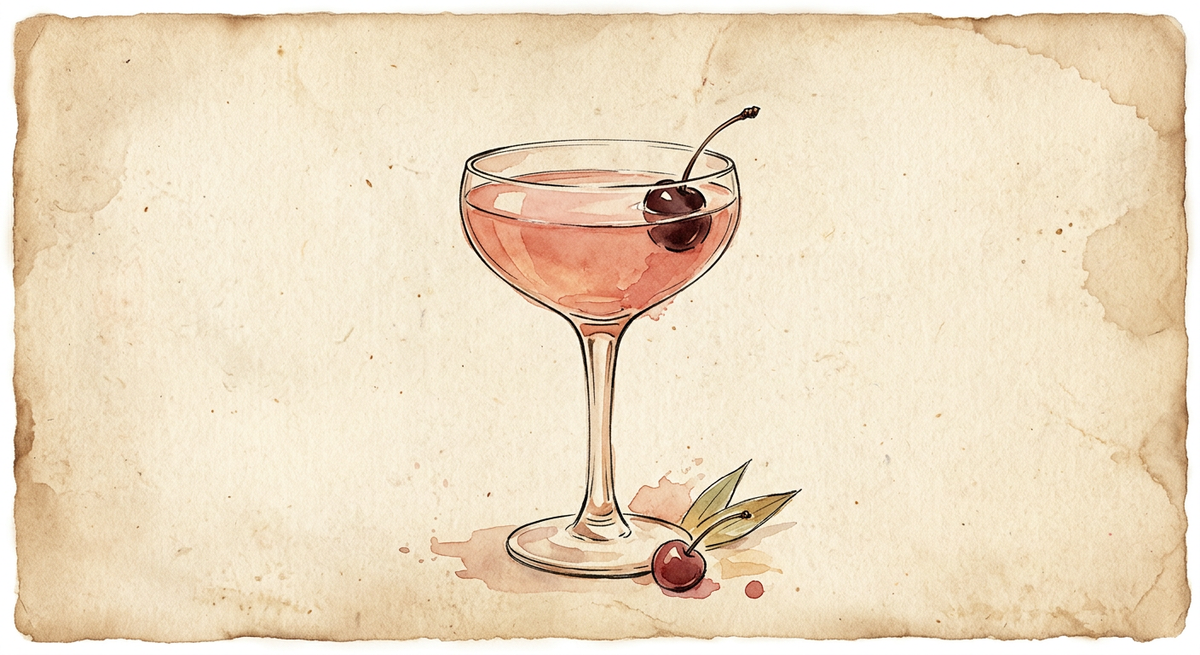
Mary Pickford
A Mary Pickford is 45ml of white rum, 45ml of fresh pineapple juice, 7.5ml of maraschino liqueur and 5ml of grenadine, shaken hard for 10 to 12 seconds and double strained into a chilled coupe, with a cherry; the measures are the IBA’s. About 2.0 UK units. It is named for Mary Pickford, the silent film star, and Basil Woon’s When It’s Cocktail Time in Cuba (1928), which we read in the Internet Archive scan, says Fred Kaufman invented it during her visit to Havana. The Oxford Companion says newspaper accounts confirm she vacationed there in December 1922, when Kaufman, at the Hotel Sevilla-Biltmore, most likely created it. Half the drink is pineapple, so the juice decides it. Fresh juice shakes up with a fine pale foam and a sharper edge; carton juice gives a flat, sweet drink. The maraschino and grenadine are small measures with clear jobs: depth and colour.
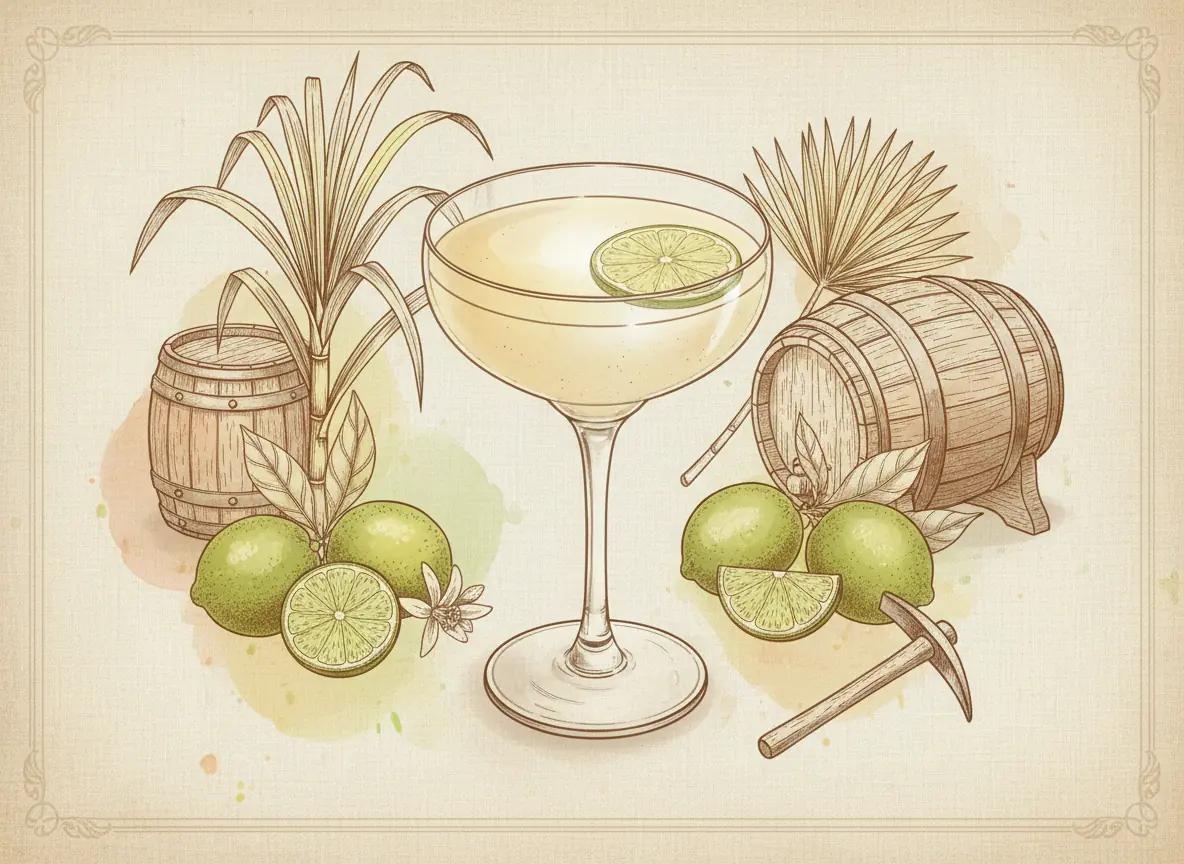
Daiquiri
A Daiquiri is 60ml white rum, 20ml fresh lime juice and two bar spoons of caster sugar. Stir the sugar into the rum and lime in the shaker until it dissolves, then add ice, shake hard for 10 to 12 seconds and double strain into a chilled coupe. About 2.4 UK units. Those are the IBA’s measures, and its method dissolves the sugar first too. The name belongs to Daiquirí, an iron-mining district and beach near Santiago de Cuba. Difford’s Guide credits Jennings Stockton Cox, an American engineer who led one of the first mining parties into Cuba’s iron-ore country after the Spanish-American War of 1898; the Oxford Companion has him making or supervising the first Daiquiri in 1896, and a Santiago bartender naming it in 1908. Difford’s says Constantino Ribalaigua Vert of Havana’s El Floridita made the frozen version famous. With three ingredients and no liqueur or bitters, the Daiquiri hides nothing. A flat rum, tired lime or undissolved sugar shows in the first sip.
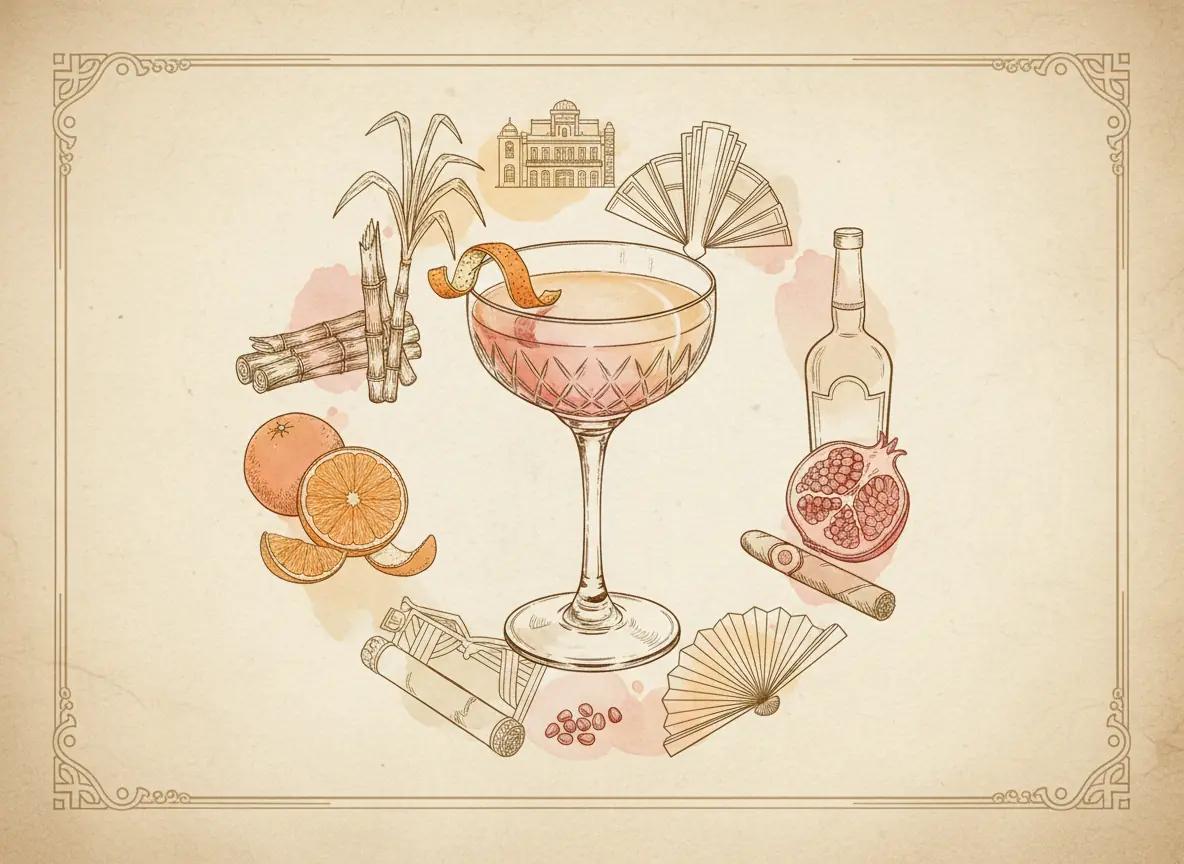
El Presidente
El Presidente is a stirred Cuban rum drink: 45ml white rum, 22.5ml dry vermouth, 10ml orange curaçao and 7.5ml grenadine, stirred for 20 to 30 seconds over ice and strained into a chilled coupe, finished with an expressed orange peel. It drinks like a light rum Manhattan, dry and aromatic, with a pale pink colour from the grenadine. Basil Woon’s 1928 book on Cuba calls it one of the two cocktails most in demand in Havana. Who created it and which president it honours are both disputed: the Floridita’s own 1939 book prints a 1937 report crediting Constante Ribalaigua, and Bar Vademecum reports David Wondrich naming Mario García Menocal, president from 1913 to 1921; Bar Vademecum adds that the story of a drink named for Gerardo Machado cannot be right for the earliest recipes, since Machado was not elected until 1925. Older recipes use Chambéry, a blanc vermouth sweeter than dry: two parts to one of rum in Escalante’s 1915 manual, half and half in Basil Woon’s 1928 account. Ours uses dry at two to one with a little more curaçao. Each one comes to about 2.6 UK units.
Where this one sits
Recipe by Jerry Can Spirits · Updated 19 October 2026