Punch Cup
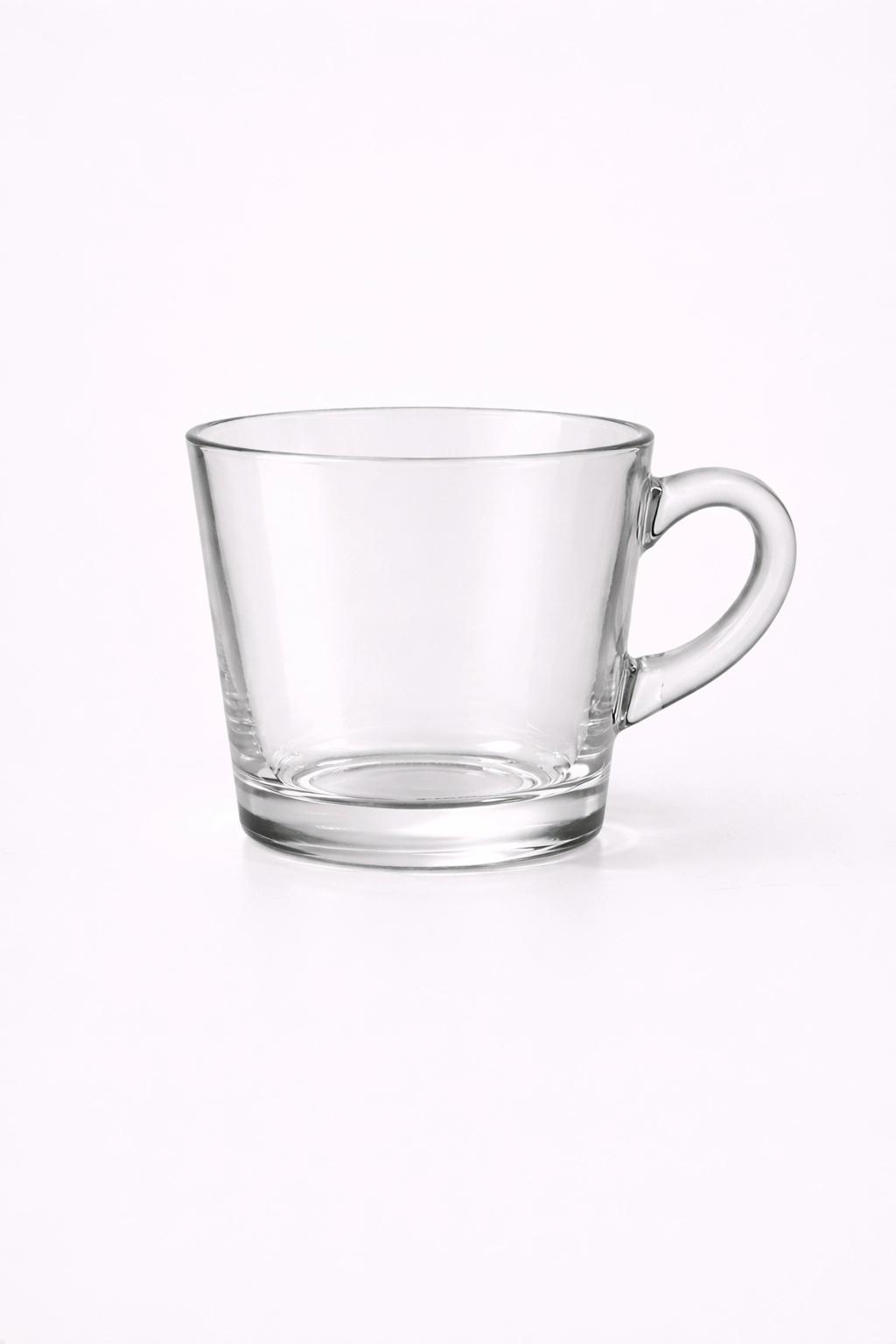
A small handled cup of 120 to 180ml, for drinking punch from a shared bowl. The size is deliberate and unfashionable: it exists so that a drink is refilled often and drunk while it is still cold.
About the Punch Cup
Why So Small
A punch cup holds around 150ml, which is half what a wine glass takes and a third of a highball. That is not meanness, it is temperature management.
A bowl of punch sits chilled around a block of ice. Anything poured out of it starts warming immediately, and a large cup means the last third of every serving is drunk lukewarm. A small cup is emptied while it is still cold and refilled from the bowl, which is cold.
The same logic runs in reverse for hot punch. A big mug goes tepid; a small one is finished hot.
The Handle
Almost every punch cup has one, and it is doing the same job as the stem on a wine glass.
Cold punch loses to a warm hand quickly, particularly in a small volume with a high surface-to-liquid ratio. Hot punch does the reverse and makes the cup too hot to hold at all. The handle solves both.
It also makes the cups carryable in numbers. A host can lift three or four at once by the handles, which is impossible with straight-sided tumblers, and that matters when the bowl is on one table and the company is spread across a room.
Teacups and Substitutes
Teacups work perfectly well and are close to the same object. They hold a comparable volume, they have handles, and a mismatched set of them on a table beside a bowl looks considerably better than a stack of tumblers.
Small tumblers, glass coffee cups and even espresso cups for a strong punch all do the job. Nothing here is precious.
What does not work is anything large. A wine glass or a highball turns a shared bowl into individual drinks, which is a different social arrangement. People fill up once, wander off, and the bowl stops being the centre of anything.
How Many, and Care
Count three or four servings per person across an evening, so a five-litre bowl at 150ml a cup is about thirty-three servings, or eight to eleven people properly served.
Set out more cups than guests. People put them down and lose them, and a stack of clean spares beside the bowl saves washing up mid-party.
Most are glass or porcelain and hand-wash more safely than they dishwasher, since the handles are the thin point and the classic breakage. If they are antique, and many punch sets are, treat gilding as hand-wash only and never microwave one for hot punch.
Using the Punch Cup
Usage
Serving from a punch bowl, hot or cold. The handle keeps a warm hand off a chilled punch and a hot one off a warm cup, and the small capacity means each serving comes fresh from the bowl rather than warming in the hand.
Pro Tip
For formal punch service, aim for a cup size of 120–150ml and pre-chill both cups and punch. This keeps the drink cold without encouraging over-pouring, allowing the punch to stay balanced throughout service.
What to Look For
- Modest capacity: prevents over-serving
- Comfortable grip: guests often hold cups for extended periods
- Stable base: filled cups tip easily
- Neutral design: punch should lead, not the vessel
- Durable material: communal service is hard on glassware
Common Mistakes to Avoid
- Oversized cups: undermine the purpose of punch
- Mixing cup styles: creates inconsistent service
- Over-garnishing: distracts from the drink
- Skipping chilling: warm punch dulls balance
- Treating punch cups like rocks glasses: intent is different
Professional Tips
- Fill to two-thirds. Punch gets carried and spilled.
- Set them out beside the bowl, not stacked.
- Count on three or four servings per person.
- Warm them for hot punch. Cold ceramic strips the heat.
Alternatives
Budget Alternative
Small tumblers or teacups (£2–4): workable for casual settings, though often lack consistency.
Premium Option
Cocktail Kingdom Punch Cups or traditional porcelain punch cups (£25–40 per set): ideal proportions, durable, historically appropriate.
Specifications
Material
Glass, ceramic, metal, or porcelain
Capacity
120–180ml
Details
Small bowl or cup shape, with or without handle; often paired with a punch bowl and ladle
Care & Maintenance
Care Instructions
- Hand wash or gentle dishwasher cycle
- Dry immediately to prevent water spots
- Store stacked carefully or upright
- Inspect rims regularly for chips
- Rotate stock to avoid uneven wear
Expected Lifespan
- •Premium cups: 5–10 years with careful handling
- •Standard cups: 3–5 years
- •Budget cups: 12–24 months before chipping
History & Context
Punch is one of the earliest shared drinking traditions, predating the cocktail by centuries. Punch cups were designed to serve smaller, repeatable portions, encouraging conversation and moderation rather than individual consumption. Unlike cocktail glasses, punch cups are intentionally modest. Their size supports the social rhythm of punch: return to the bowl, refill, and re-engage. In this way, the punch cup is less about the individual drink and more about the collective experience.