What you need to know
The Essential Four
Four glass types handle the vast majority of cocktails. Master these before considering speciality additions. With these four styles, you can serve nearly any classic or modern cocktail appropriately.
Rocks Glasses (Old Fashioned Glasses)
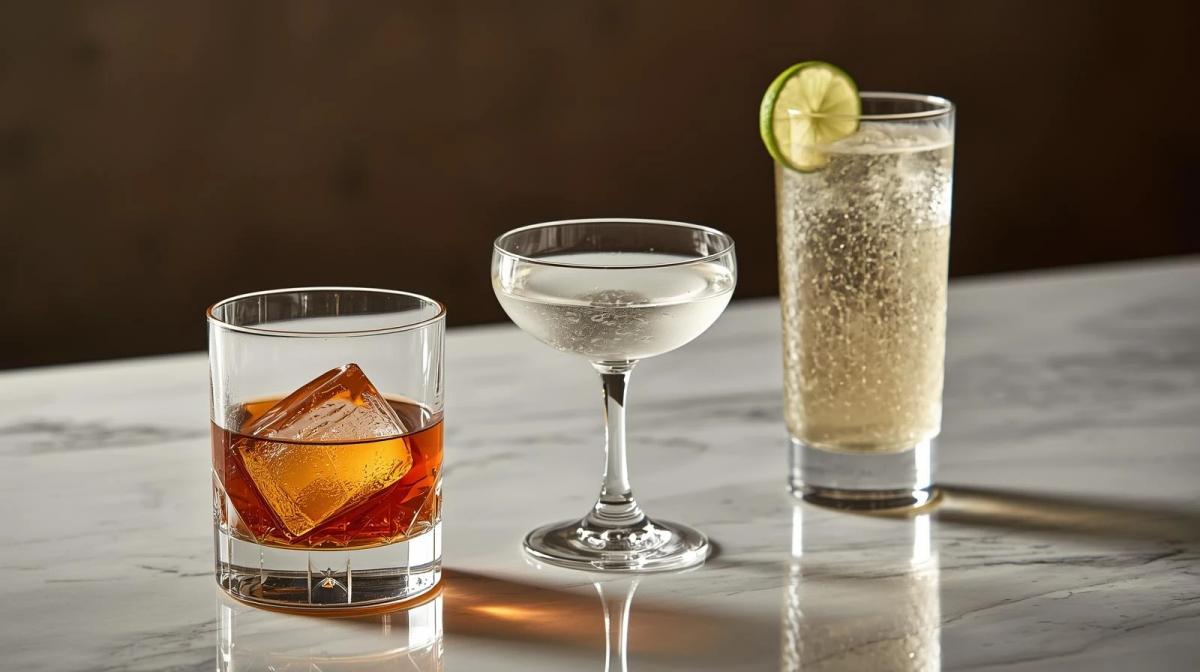
The rocks glass serves spirit-forward cocktails built or stirred over ice. Old Fashioneds, Negronis, Sazeracs, and countless whisky serves call this glass home. Its wide opening releases aromas while the heavy base provides stability and satisfying heft.
Standard rocks glasses hold 200-300ml. Double rocks glasses (sometimes called DOF or double old fashioned) hold 300-400ml and suit drinks with more ice or longer serves. Both sizes prove useful, though doubles offer more versatility.
Look for glasses with thick, weighted bases. This weight keeps drinks stable and provides the satisfying clink that makes cocktail hour feel special. Thin, lightweight rocks glasses feel cheap and tip easily.
Coupe Glasses
The coupe has largely replaced the classic V-shaped Martini glass in modern cocktail culture. Its rounded bowl is more stable, harder to spill, and fits comfortably in hand. Coupes suit any stirred or shaken cocktail served up (without ice): Martinis, Manhattans, Daiquiris, Sidecars, and Cosmopolitans.
Standard coupes hold 150-180ml. Larger coupes (200-240ml) exist but encourage overly large drinks that warm before finishing. Stick to moderate sizes that keep cocktails cold throughout.
The stem matters. It keeps hands away from the bowl, preventing drinks from warming. Stemless coupes look modern but defeat the functional purpose.
Highball Glasses
Tall, narrow highball glasses suit long drinks with substantial mixer proportions. Gin and Tonics, Mojitos, Tom Collins, Moscow Mules (when you lack copper mugs), and simple spirit-and-mixer combinations all work beautifully in highballs.
Standard highballs hold 300-400ml. The tall, narrow shape maintains carbonation better than wider glasses and provides space for adequate ice without drowning the drink.
Collins glasses are slightly taller and narrower than highballs, historically intended for Tom Collins and similar drinks. The distinction matters less for home bars. Either style works for long drinks.
Nick and Nora Glasses
Named after the cocktail-loving couple from The Thin Man films, Nick and Nora glasses offer an elegant alternative to coupes for smaller, spirit-forward drinks. Their slightly smaller size (120-150ml) suits Martinis, Manhattans, and other potent cocktails that benefit from modest portions.
Some bartenders prefer Nick and Nora glasses over coupes for their refined appearance and practical size. The curved bowl concentrates aromas beautifully while the stem keeps drinks cold.
These are optional if you already own coupes. Consider them an upgrade or alternative rather than essential.
Useful Additions
Beyond the essential four, certain glasses suit specific purposes well enough to justify their place in a complete home bar.
Wine Glasses
Standard wine glasses suit several cocktail applications. Spritzes, wine-based cocktails, and aromatic drinks with botanical complexity often present better in wine glasses than traditional cocktail glasses. The large bowl releases aromatics beautifully.
You likely already own wine glasses. No need to buy separate ones for cocktails. Any decent red wine glass works for cocktail purposes.
Champagne Flutes
Flutes suit Champagne cocktails, French 75s, and sparkling wine serves. The tall, narrow shape preserves bubbles longer than coupes or wine glasses. Again, you probably already own these.
Some cocktail purists prefer coupes for Champagne cocktails, arguing the wider bowl releases more aroma. Either works. Use what you have.
Shot Glasses
Beyond their obvious purpose, shot glasses work as small measuring vessels and serve shooters or layered drinks. Basic shot glasses cost little and prove surprisingly useful.
Standard UK shot glasses hold 25ml or 35ml (the legal single and double measures). American shot glasses typically hold 44ml (1.5 oz). Know what you have for accurate measuring.
Copper Mugs
Copper mugs for Moscow Mules are traditional but not essential. The copper conducts cold beautifully, keeping drinks icy. However, quality copper mugs cost significantly more than glass, and highball glasses work perfectly well.
If you buy copper mugs, ensure they have food-safe linings (typically stainless steel or nickel). Unlined copper can react with acidic ingredients.
What You Can Skip
Certain speciality glasses appear in cocktail books but rarely justify home bar shelf space. Understanding what to skip saves money and cupboard space.
Martini Glasses
The classic V-shaped Martini glass looks iconic but functions poorly. The wide rim spills easily, the conical shape concentrates alcohol harshness rather than pleasant aromas, and the glass feels precarious in hand.
Coupes and Nick and Nora glasses serve Martinis better in every functional way. The Martini glass exists for aesthetic tradition, not practical benefit. Skip it unless you specifically love the look.
Hurricane and Tiki Glasses
Unless you make tropical drinks regularly, speciality tiki glassware gathers dust. Double rocks glasses and highballs handle most tropical drinks adequately. The presentation differs but the drink tastes identical.
Tiki enthusiasts may disagree. If you genuinely love tiki culture and make these drinks frequently, by all means invest. For occasional tropical drinks, standard glassware works fine.
Novelty and Single-Purpose Glasses
Absinthe fountains, Irish coffee glasses, punch cups, and similar single-purpose items belong in bars that serve those specific drinks constantly. Home bars rarely justify such specialised equipment.
Wine glasses handle Irish coffee. Mugs work for hot toddies. Punch bowls with ladles serve punch better than individual punch cups. Versatility trumps specificity for home use.
Quality and Investment
Glassware quality varies enormously. Understanding where investment matters helps allocate budget wisely.
Where Quality Matters
Weight and balance matter most in rocks glasses. A well-weighted rocks glass feels substantial and stable. Cheap, thin rocks glasses feel flimsy and tip easily. This is the category where spending more delivers noticeable improvement.
Crystal versus glass makes little practical difference for most cocktails. Crystal is thinner and more elegant but also more fragile and expensive. For everyday home use, quality soda-lime glass performs identically and survives dishwashers and occasional drops better.
Stem quality matters for coupes and Nick and Nora glasses. Thin, delicate stems snap easily. Look for glasses with sturdy stems proportionate to bowl weight.
Where Budget Works Fine
Highball glasses perform identically across price points. A basic highball from a supermarket holds Gin and Tonics as effectively as expensive crystal. Save money here.
Shot glasses need no quality investment whatsoever. Basic shot glasses measure and serve identically to expensive options.
Wine glasses you already own work perfectly for cocktail purposes. No need to buy separate cocktail-specific wine glasses.
Recommended Spending
Rocks glasses: Invest moderately. Look for weighted bases and thick construction. Expect to pay 8 to 15 pounds per glass for quality options that last years.
Coupes: Mid-range quality balances elegance and durability. Around 10 to 18 pounds per glass delivers good results. Avoid the cheapest options with thin glass and fragile stems.
Highballs: Budget options work fine. Basic sets of four for 15 to 25 pounds serve perfectly well.
Nick and Nora: Similar to coupes. Mid-range quality around 12 to 20 pounds per glass offers the best balance.
Building Your Collection
Start small and expand based on actual use rather than theoretical completeness. Four of each essential glass type covers most home entertaining needs.
The Starter Set
Four rocks glasses and four highballs cover casual entertaining and everyday use. This minimal setup handles Old Fashioneds, Negronis, Gin and Tonics, and most common requests.
Add four coupes when you start making shaken or stirred-up cocktails regularly. Daiquiris, Martinis, and Sidecars deserve proper glassware.
This twelve-glass collection (four rocks, four highballs, four coupes) serves virtually any cocktail adequately. Expand only after identifying genuine gaps in your entertaining.
Expansion Priorities
Notice what you reach for repeatedly. If you constantly make Old Fashioneds, invest in nicer rocks glasses. If spritzes and wine-based drinks feature heavily, ensure your wine glasses suit cocktail use.
Buy replacements before additions. Broken glasses from your essential collection matter more than new speciality additions. Maintain core functionality before expanding variety.
Sets often offer better value than individual purchases. When you identify a genuine need, buying four or six matching glasses typically costs less per glass than individual purchases.
Storage Considerations
Glassware takes space. Before buying, ensure you have room to store new additions safely. Glasses crammed into overcrowded cupboards chip and break.
Open shelving displays glassware beautifully but exposes it to dust. Closed cupboards protect better but hide your collection. Consider your space and cleaning habits.
Stemware stores best hanging or standing upright. Storing coupes and wine glasses upside down can stress the rim over time.
Care and Maintenance
Proper care extends glassware life significantly. Quality glasses last decades with appropriate handling.
Washing
Hand washing prevents most glassware damage. Hot water, mild detergent, and gentle handling keep glasses pristine. Avoid abrasive scrubbers that scratch surfaces.
Dishwashers work for sturdy everyday glasses but risk crystal and delicate stemware. Heat cycling and harsh detergents can cloud glass and stress stems. If using dishwashers, use gentle cycles and ensure glasses cannot touch each other.
Dry glasses immediately with lint-free cloths to prevent water spots. Air drying leaves mineral deposits that accumulate over time.
Common Problems
Cloudy glass usually results from hard water deposits or dishwasher damage. Soaking in white vinegar sometimes reverses mild clouding. Severe cloudiness indicates permanent etching and cannot be fixed.
Chips and cracks mean immediate retirement. Damaged glasses can cut lips and fingers, and cracks spread unpredictably. Do not risk it with compromised glassware.
Smells trapped in glasses (especially rocks glasses used for smoky whisky) respond to baking soda soaks. Fill glasses with warm water and baking soda, leave overnight, then rinse thoroughly.
Temperature Considerations
Chilling glasses before serving improves many cocktails. Place glasses in the freezer for 10 to 15 minutes before use, or fill with ice water while preparing drinks. Cold glasses keep cocktails colder longer.
Never pour hot liquid into frozen glasses or cold liquid into hot glasses. Thermal shock can crack even quality glassware. Temperature changes should be gradual.
Thick-walled glasses resist thermal shock better than thin crystal. For everyday use where glasses might experience temperature variations, sturdier construction proves more practical.
Essential Glassware Overview
Rocks/Old Fashioned
Double Rocks
Coupe
Nick and Nora
Highball
Shot Glass
| Glass Type | Primary Use | Capacity | Investment Level | Typical Price Range |
|---|---|---|---|---|
| Rocks/Old Fashioned | Spirit-forward drinks, on the rocks | 200-300ml | Medium-High | £8-15 each |
| Double Rocks | Larger serves, more ice | 300-400ml | Medium-High | £10-18 each |
| Coupe | Cocktails served up | 150-180ml | Medium | £10-18 each |
| Nick and Nora | Small cocktails served up | 120-150ml | Medium | £12-20 each |
| Highball | Long drinks with mixers | 300-400ml | Low | £6-10 each |
| Shot Glass | Shooters, measuring | 25-50ml | Low | £2-5 each |