Rum Cocktails, page 3

58 recipes, page 3 of 3

Base Spirit

Difficulty Level
Spiced Rum Mule

Spiced Rum Mule

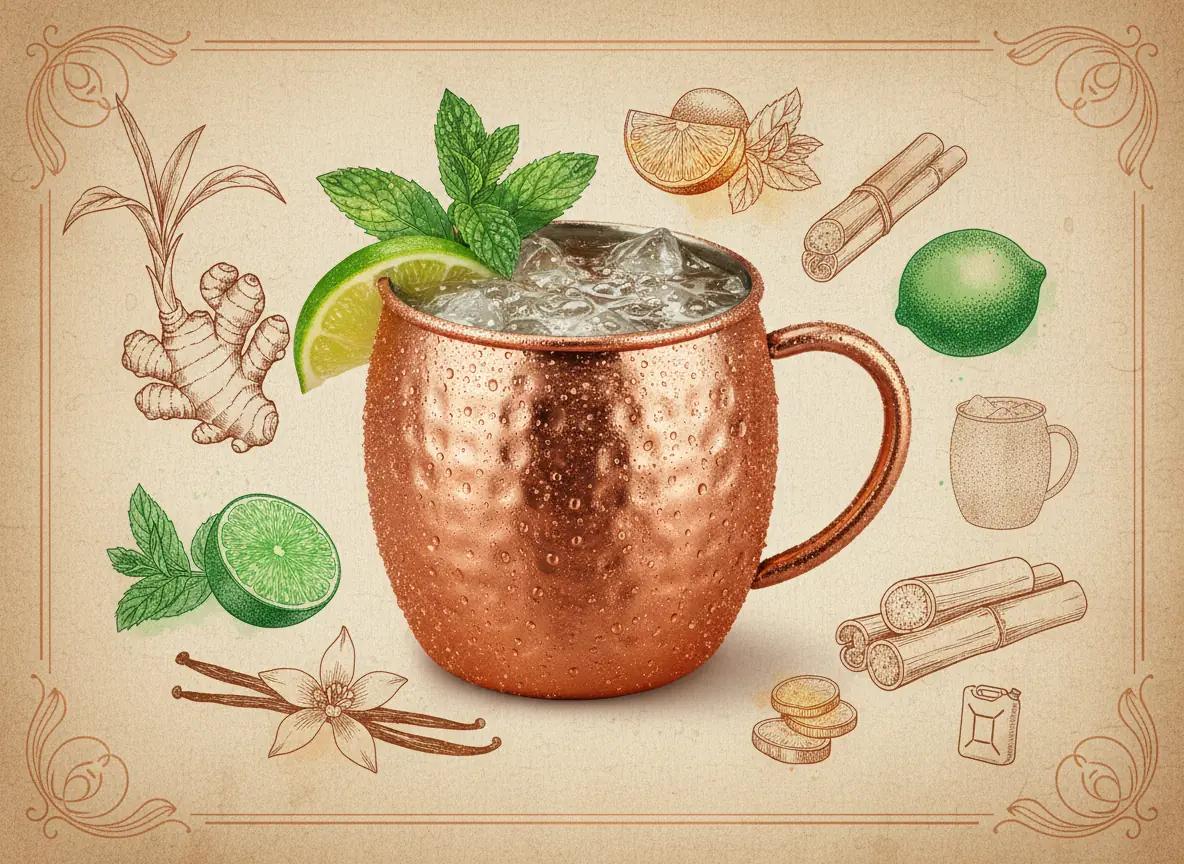
The Mule format arrived in American bars in the early 1940s as a solution to a surplus problem. John G. Martin of Heublein had the rights to Smirnoff vodka at a time when vodka had almost no presence in America, and Jack Morgan of the Cock 'n' Bull in Los Angeles had a cellar full of ginger beer that was not moving. The two combined their problems into a single drink, served in a copper mug, and the Moscow Mule was born. The Spiced Rum Mule takes the same structure and builds it around a quality spiced rum, which has a more natural affinity with ginger beer than vodka ever did. Where vodka is a neutral vehicle that lets the ginger lead entirely, spiced rum brings its own warm botanical character into conversation with the ginger's heat. Fresh lime keeps both honest, and the syrup rounds the citrus without softening the bite. The copper mug is not incidental to the serve. It conducts cold efficiently and keeps the drink colder throughout.

Spiced Rum Punch

The Spiced Rum Punch is our warming Christmas batch: spiced rum heated gently with apple juice, orange juice, fresh lemon and honey, while cinnamon sticks, star anise and cloves work into the pot as it warms. It serves about ten, and unlike most winter punches it is planned to work cold as well as hot. Rum is the design decision. Where mulled wine ties the season to grape, a spiced rum base gives the punch fuller room for cinnamon, baking spice and rich sweetness, which is the register Christmas actually operates in. Honey rather than sugar keeps that sweetness rounded, and the full 100ml of lemon is what stops the batch settling into syrup. Heat it gently until the honey dissolves, hold it low for the evening, and taste as you go, adjusting sweetness and citrus to the room. For a party of mixed preferences, the cold version is the same recipe refrigerated overnight and served over ice, so one batch covers every guest.

Storm & Spice

Storm & Spice

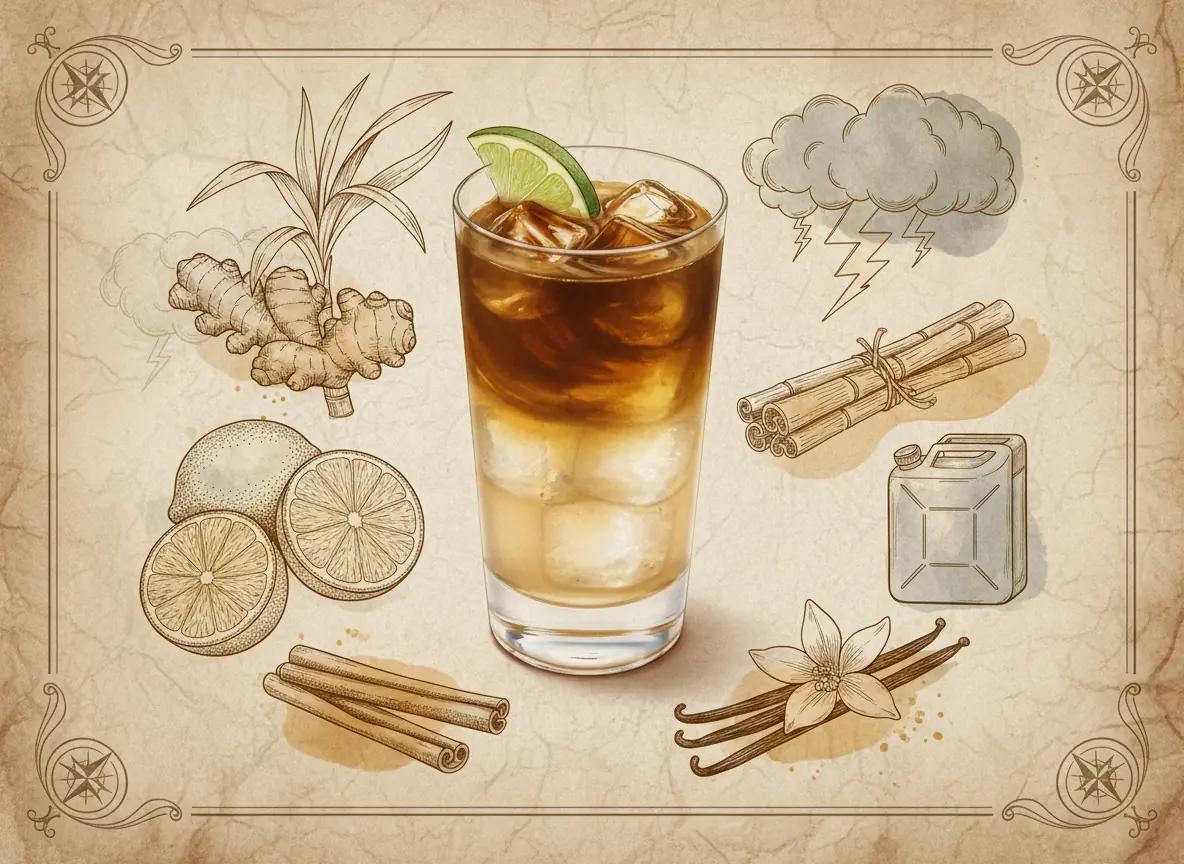
A brooding sky in a glass. The Storm & Spice takes the bones of Bermuda's legendary Dark 'n' Stormy and gives it a warmer, more aromatic soul. Where the original relies on the molasses-heavy depth of Bermudian black rum, this version uses Jerry Can Spirits Expedition Spiced Rum, bringing vanilla, cinnamon, and clove to the party. The spices in the rum do not fight the ginger. They embrace it, creating something that tastes like a storm rolling in over a tropical island at dusk. The original Dark 'n' Stormy was born in Bermuda just after World War I, when British naval officers discovered that their homemade ginger beer, brewed to settle seasick stomachs, tasted considerably better with a splash of the local Gosling's rum. A sailor reportedly held up the drink and remarked it was "the colour of a cloud only a fool or a dead man would sail under." The technique remains unchanged: ginger beer first, rum floated on top to create that ominous two-toned storm cloud effect. Stir it in if you like, but watch the weather roll in first.

Strawberry Daiquiri

The Strawberry Daiquiri is the most ordered frozen cocktail on earth and the most casually ruined. It is the resort-era blend of the Cuban classic with summer’s berry, built honestly from fresh fruit and dishonestly from a machine’s red slush, and fifty years of the latter have obscured how good the former is. The honest spec is fruit-bowl simple: ripe strawberries blended with white rum, lime and a short measure of syrup, with the berries supplying the colour, the body and most of the sweetness whenever the season cooperates. Frozen fruit makes the drink year-round and colder. The machine mix makes it the punchline it never deserved. Unlike most fruit daiquiris, it is ordered by name rather than described at the bar, which makes it an institution in its own right across every warm latitude on earth. What it has never had is a written standard: five ripe berries, a proper white rum and fresh lime, blended short and poured immediately. That is the whole recipe, and it is better than its reputation by a distance.
The Expedition Punch

The Expedition Punch

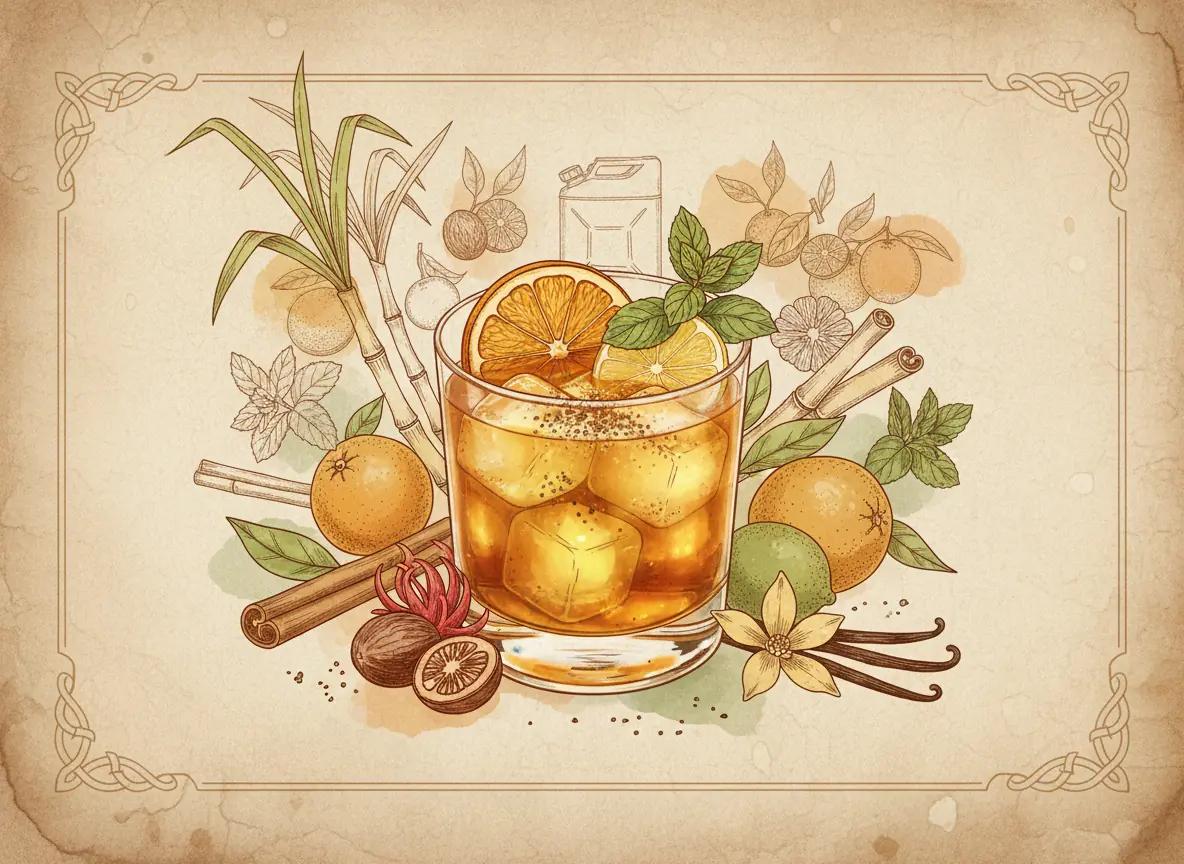
Punch is the oldest documented category of mixed drink in the English language, predating the cocktail by over a century and connecting the British Navy, the colonial spice trade, and the Caribbean rum routes. The five-element formula, spirit, citrus, sugar, water, and spice, arrived in Britain from India in the early seventeenth century. The Expedition Punch builds that formula around Expedition Spiced Rum, a spirit whose history of discipline, craft, and purpose fits the format. The diluting element is worth choosing deliberately. Water gives a cleaner, more spirit-forward punch where Expedition Spiced’s botanical profile leads; weak black tea brings tannin, a faint bitterness, and a depth that ties the drink to the colonial punch tradition, where tea was a common diluting agent. Either is correct. The tea version is the more complex, historically resonant result. Freshly grated nutmeg over the surface is not optional: it is the spice element of the formula and the aromatic top note of every sip. Pre-ground nutmeg has lost the volatile oils that make it worth adding. A whole nutmeg and a fine grater are the only equipment required; the investment is minimal, and the difference in the finished drink is not.
The Old Standard

The Old Standard

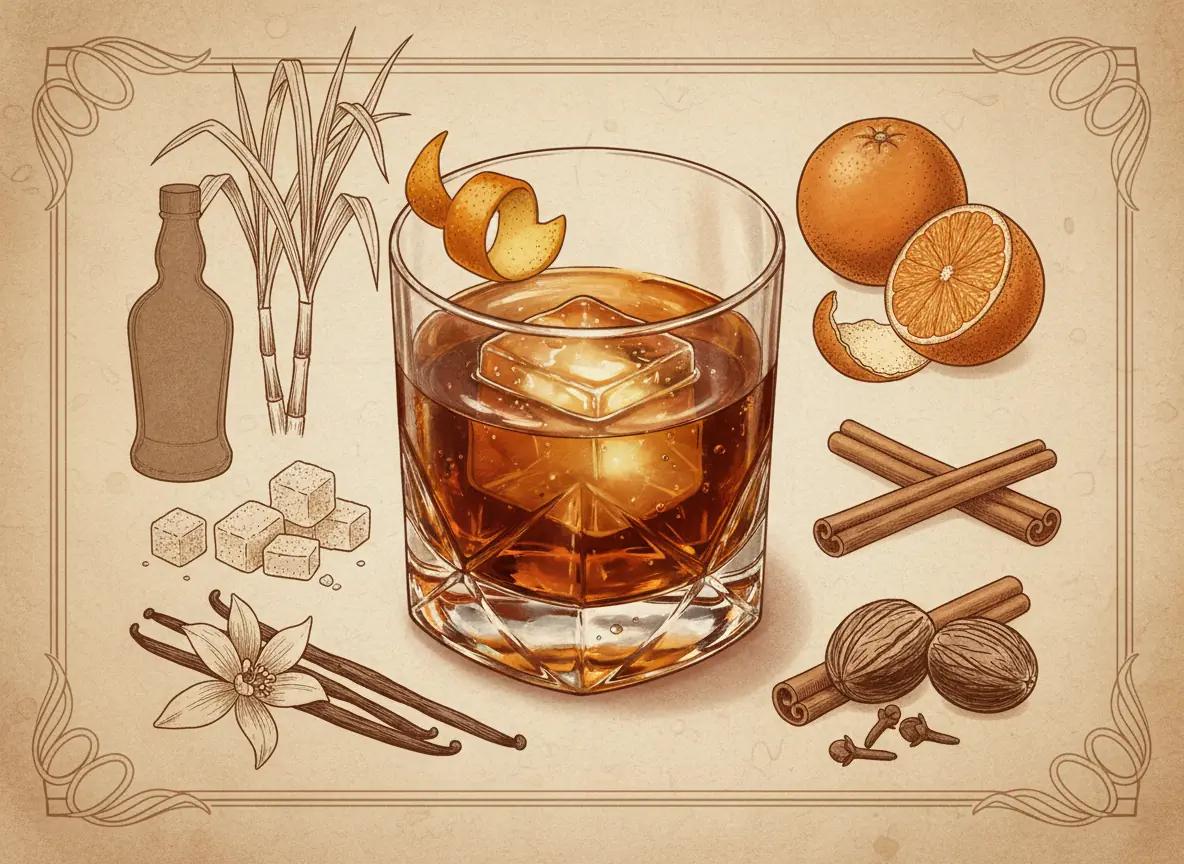
The Old Fashioned is the oldest documented cocktail format there is, and the most instructive template for understanding a base spirit. Spirit, sweetener, bitters: what is in the bottle has nowhere to hide. That is the reason to apply it to Expedition Spiced Rum rather than build something that would cover for it. Two departures from the whiskey version, and both follow from the rum. The sweetener is demerara syrup, which brings caramel and toffee depth where white sugar brings only sweetness, and that depth has something to attach to in a rum carrying vanilla, cassia and bourbon oak. The bitters are split: two dashes of Angostura reinforcing the clove and cinnamon already there, and a single dash of orange picking up the orange peel and lifting the nose in a way Angostura alone does not. The name is deliberate. Standards are not talked about at Jerry Can Spirits. They are lived.
Three Dots and a Dash

Three Dots and a Dash

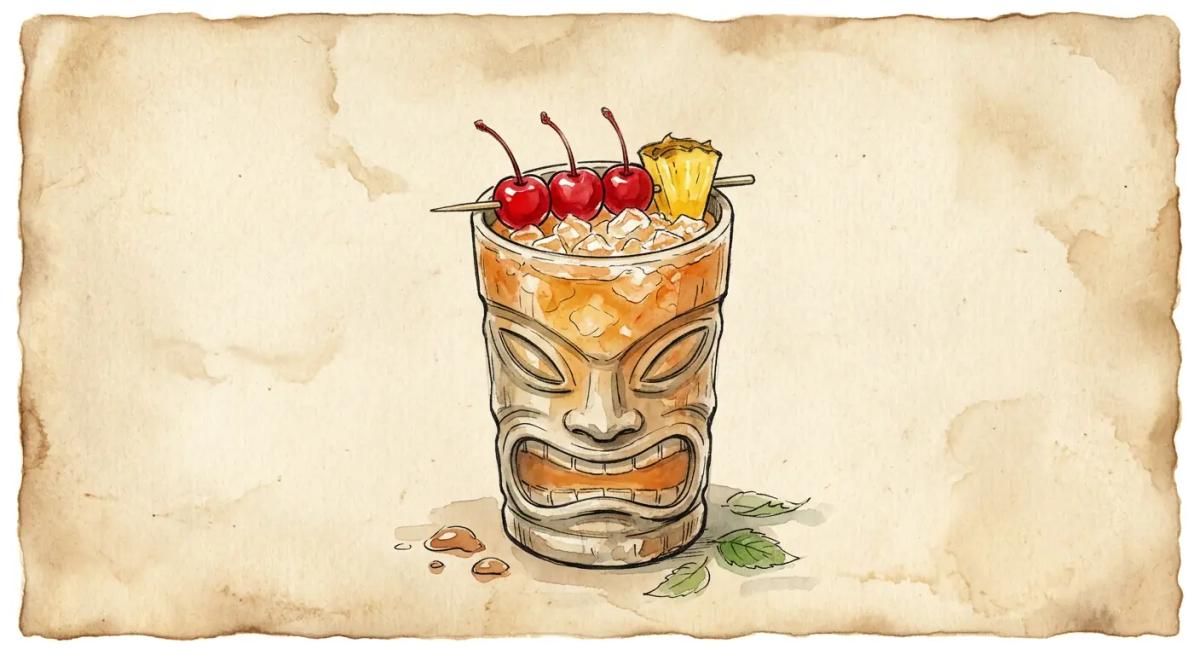
Three Dots and a Dash was created by Donn Beach at Don the Beachcomber in 1944 and named after the Morse code signal for the letter V, the Allied symbol for victory during the Second World War. The drink was Beach’s tribute to American military service, and the garnish states the name directly: three cherries as the dots, a single pineapple chunk as the dash. The structure is a complex tiki build. Aged rum and rhum agricole as a split base give a depth and a grassy character neither could deliver alone; fresh orange and lime give a layered citrus structure; and honey syrup, falernum and Angostura supply the aromatic complexity that connects it to Beach’s wider repertoire. The rhum agricole is the defining structural choice. Produced from fresh cane juice, it brings a vegetal character entirely distinct from molasses rum, sitting at the top of the profile while the aged rum anchors the depth beneath it.
Tiki Sour

Tiki Sour

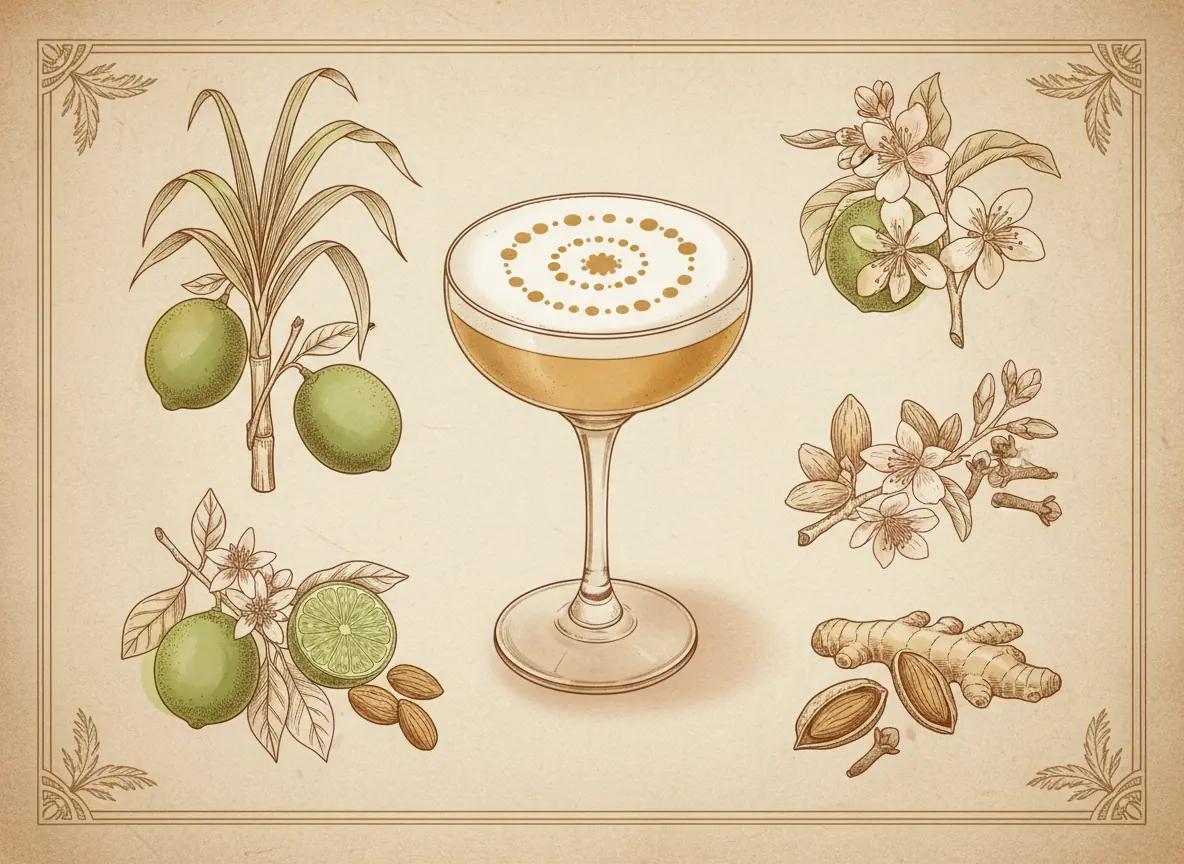
The Tiki Sour bridges two of cocktail culture’s most distinct traditions: the precision of the egg white sour and the exuberant, layered complexity of the tiki drink. Tiki drinks tend toward volume, long and layered over crushed ice; sours are precise, three or four components in careful balance, technique-driven. This drink applies the discipline of the sour to the flavour vocabulary of tiki, and the result belongs fully to both traditions. Aged rum provides the base: rich, rounded, with the vanilla and caramel depth that comes from barrel time. Fresh lime juice cuts through with clean tartness. Orgeat brings almond sweetness and body. Falernum adds spice: clove, ginger, almond, and a faint anise note that signals the tropics without announcing itself. The egg white pulls it all into a unified, silky whole, crowned with a foam that carries the aromatics upward on every sip. The result is a drink that is simultaneously disciplined in structure and generous in flavour. Complex enough to reward attention. Smooth enough to drink without effort.

Ti’ Punch

Ti’ Punch, petit punch in Creole, is Martinique’s national drink and the purest expression of rhum agricole that exists: rhum, cane syrup and a coin of lime, built in a small glass, traditionally without ice. There is nowhere for anything to hide, which is precisely the point. The island custom is “chacun prépare sa mort”: each prepares their own death. The bottle, the syrup and the limes arrive at the table and every drinker builds their own, to their own strength and sweetness. It is less a recipe than a ritual, and it explains the drink’s proportions better than any spec can: they are yours to decide. What the drink teaches is agricole itself. The grassy, green-cane voice of the spirit meets a syrup pressed from the same plant, and the lime coin adds perfume rather than sourness. Serve it before dinner, keep it small, and understand why Martinique never felt the need to complicate it.
Zombie

Zombie

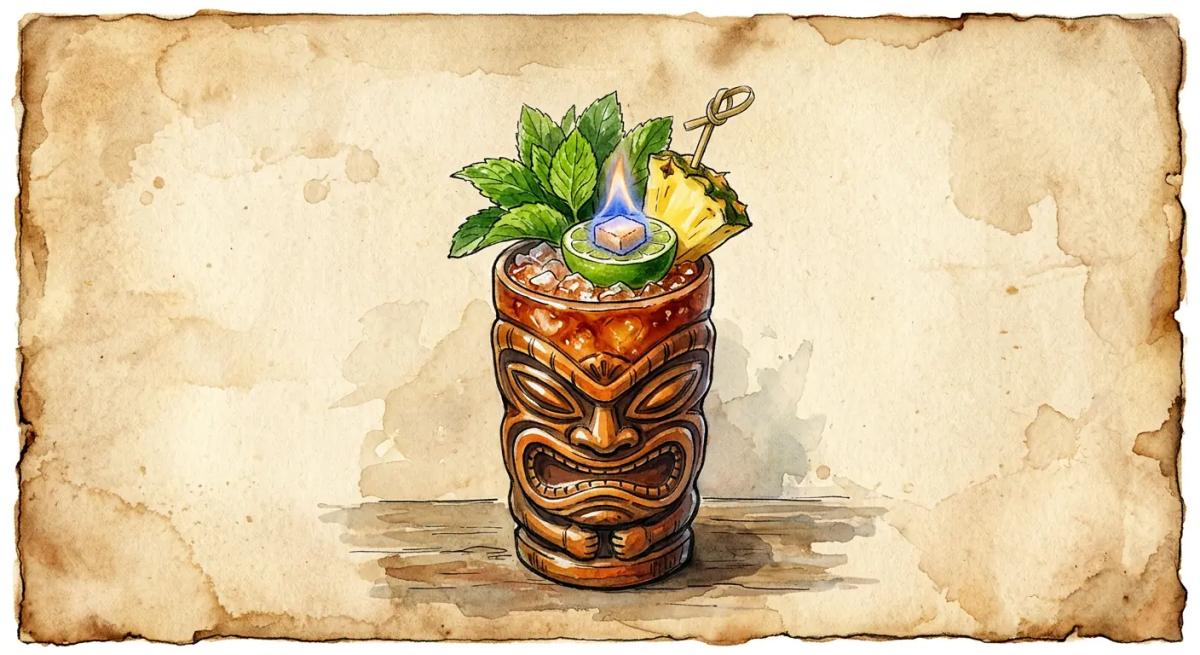
The Zombie was created by Donn Beach at Don the Beachcomber in Hollywood in 1934 and became the most infamous drink in the tiki canon almost immediately. Beach kept the recipe encoded for decades, forcing rivals into inferior imitations that gave the Zombie its reputation for being more alcohol than intention, and the original was not reconstructed with confidence until Jeff Berry published Sippin' Safari in 2007. Beach called it a mender of broken dreams and limited his customers to two per sitting. Both descriptions remain accurate. The official build splits three rums across the palate rather than stacking four: Jamaican for aroma and fruit, gold Puerto Rican for body through the middle, and Demerara for smoke and weight underneath. Lime, falernum and a dash of grenadine frame them. What makes it the Zombie rather than a rum punch is Donn's Mix — grapefruit juice cut with cinnamon syrup — and six drops of Pernod. Both were part of the coded recipe, both were missing from every version poured between 1934 and 2007, and their absence is exactly why the drink spent seventy years with a reputation for brute strength.